
What it is
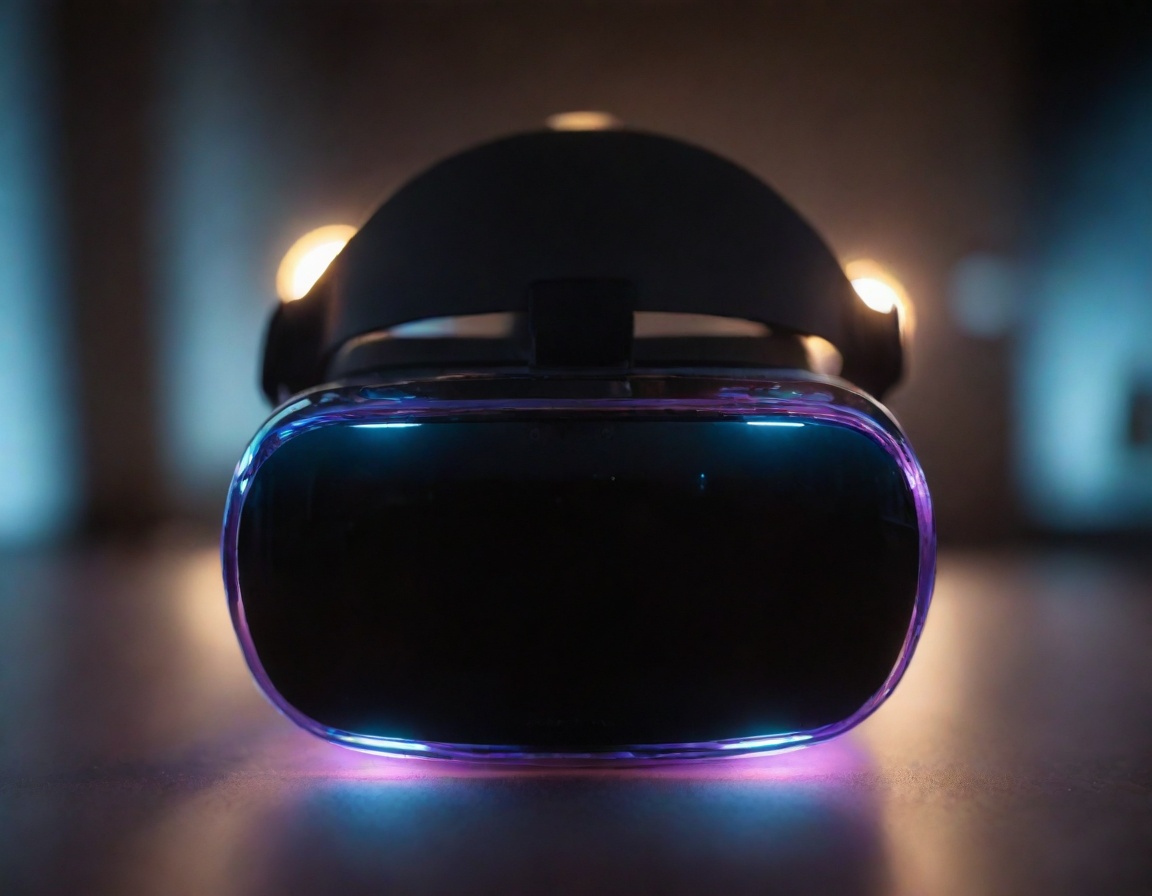
Haptic feedback is a crucial component of immersive computing, allowing users to engage with digital environments through tactile sensations. By simulating touch, vibrations, and other physical interactions, haptic technology enhances the sense of presence and immersion in virtual reality (VR), augmented reality (AR), and mixed reality (MR) experiences.
Imagine being transported to a virtual world where you can feel the rough texture of a virtual rock or the gentle caress of a virtual breeze. Haptic feedback makes this possible by transmitting subtle vibrations and forces through specialized devices, such as gloves, vests, or even entire rooms. These devices can mimic a wide range of sensations, from the gentle rustle of leaves to the intense rumble of a virtual earthquake.
Why it matters
Haptic feedback has far-reaching implications for various industries, including gaming, education, healthcare, and entertainment. By providing a more immersive and engaging experience, haptic technology can:
* Enhance user engagement and emotional connection in VR and AR applications * Improve learning outcomes and retention in educational settings * Provide realistic and safe training experiences for medical professionals and first responders * Create new forms of interactive storytelling and art
Where you’ll see it first
Haptic feedback is already being integrated into various products and services, including:
* Gaming controllers and headsets that simulate tactile sensations and vibrations * Virtual reality experiences that allow users to feel the texture of virtual objects * Smart home devices that provide haptic feedback for notifications and control * Medical simulators that mimic the sensation of performing surgery or other medical procedures
As haptic technology continues to advance, we can expect to see even more innovative applications across various industries.
The trade-offs and worries
While haptic feedback offers many benefits, there are also some trade-offs and concerns to consider:
* Cost: High-end haptic devices can be expensive, making them inaccessible to some users * Complexity: Integrating haptic feedback into existing systems can be challenging and require significant technical expertise * Safety: Haptic devices can cause discomfort or even injury if not designed or used properly * Social implications: The use of haptic feedback in social interactions raises questions about the potential for addiction and social isolation
What to watch next
As haptic technology continues to evolve, we can expect to see new innovations and applications emerge. Some potential areas to watch include:
* Advancements in haptic feedback for wearable devices and smart clothing * Integration of haptic technology with other sensory modalities, such as smell and taste * Development of more affordable and accessible haptic devices for mass market adoption * Exploration of new use cases for haptic feedback in fields such as education, healthcare, and entertainment
Conclusion
Haptic feedback is revolutionizing the way we interact with digital environments, providing a more immersive and engaging experience that simulates the senses of touch, vibrations, and other physical interactions. As this technology continues to advance, we can expect to see even more innovative applications across various industries, transforming the way we live, work, and play.