
What it is
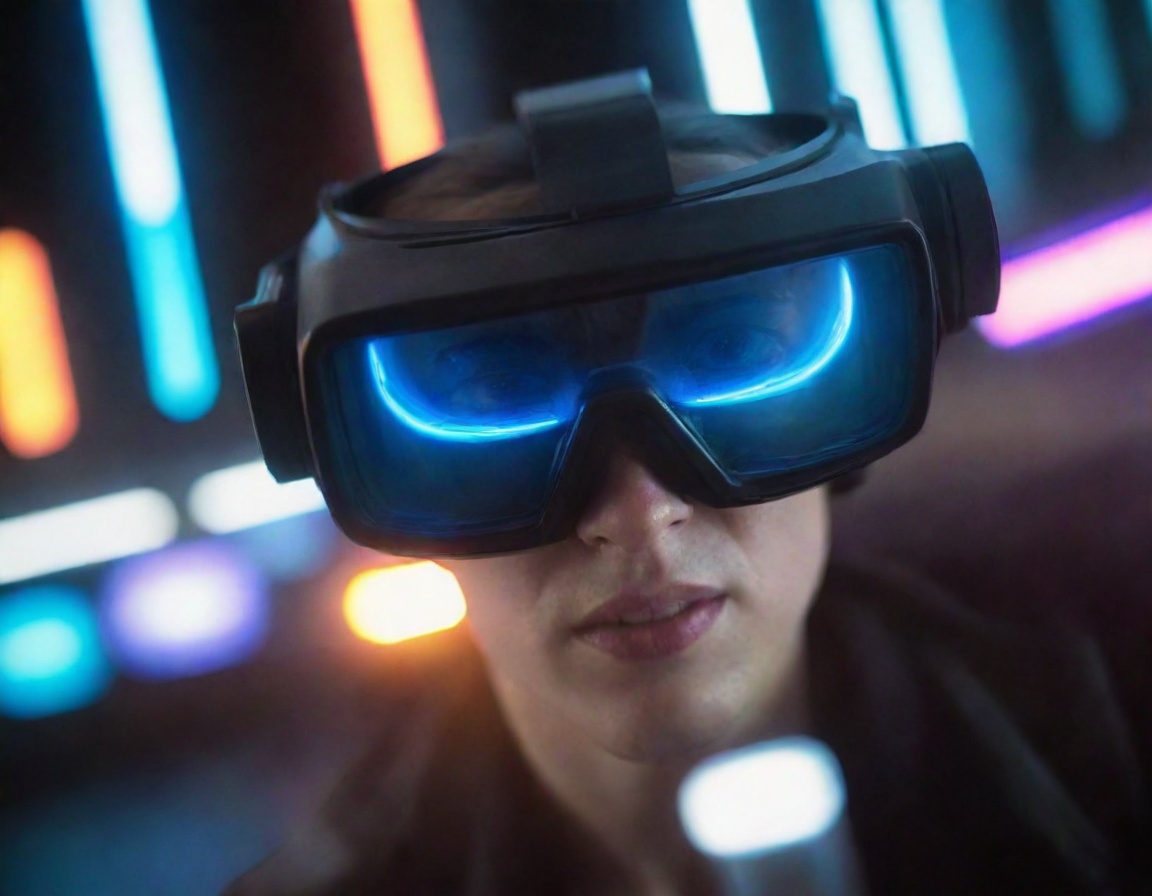
Augmented reality (AR) is a technology that overlays digital information and images onto the real world, creating a seamless blend of the physical and digital. This can be experienced through various devices, such as smartphones, smart glasses, or head-mounted displays. AR can enhance our surroundings by providing additional context, information, and interactive experiences that are not possible in the physical world.
Imagine walking through a museum and seeing a historical artifact come to life with interactive 3D models, videos, and text overlays. Or, picture yourself in a city, and as you walk past a building, a virtual tour guide provides you with information about its architecture, history, and cultural significance. These are just a few examples of how AR can revolutionize the way we experience and interact with the world around us.
Why it matters
AR has the potential to transform various aspects of our lives, from education and entertainment to commerce and healthcare. It can make complex information more accessible and engaging, allowing people to learn and understand concepts in a more interactive and immersive way. AR can also enhance our daily experiences by providing us with relevant information and insights that we might not have noticed otherwise.
For instance, in education, AR can be used to create interactive textbooks, virtual labs, and simulations that make learning more engaging and effective. In healthcare, AR can be used to provide patients with personalized treatment plans, medication instructions, and educational materials that help them manage their conditions more effectively.
Where you’ll see it first
AR is already being used in various industries and applications, from gaming and entertainment to education and healthcare. You might have already experienced AR in some form, such as playing Pokémon Go or using a virtual try-on feature in a clothing store. However, the most significant impact of AR will be felt in industries that require hands-on training, such as manufacturing, healthcare, and education.
In these industries, AR can be used to create immersive and interactive training experiences that simulate real-world scenarios, allowing workers to practice and learn new skills in a safe and controlled environment. This can lead to improved productivity, reduced errors, and enhanced job satisfaction.
The trade-offs and worries
While AR has the potential to revolutionize various aspects of our lives, there are also some trade-offs and worries that need to be considered. One of the main concerns is the potential for AR to be used in ways that are manipulative or deceptive, such as using AR to create fake or misleading information.
Another concern is the potential impact of AR on our mental and physical health. For instance, excessive use of AR can lead to eye strain, headaches, and decreased attention span. Additionally, AR can also create a sense of isolation and disconnection from the physical world, which can have negative effects on our mental health.
What to watch next
As AR continues to evolve and improve, we can expect to see new and innovative applications of this technology in various industries and fields. Some of the areas to watch include:
* **AR in education**: Expect to see more interactive and immersive learning experiences that use AR to make complex information more accessible and engaging. * **AR in healthcare**: Look for more personalized treatment plans, medication instructions, and educational materials that use AR to enhance patient care and outcomes. * **AR in entertainment**: Expect to see more immersive and interactive gaming experiences that use AR to create new and engaging gameplay mechanics.
Conclusion
Augmented reality has the potential to revolutionize the way we experience and interact with the world around us. From education and entertainment to commerce and healthcare, AR can enhance our daily experiences by providing us with relevant information and insights that we might not have noticed otherwise. As AR continues to evolve and improve, we can expect to see new and innovative applications of this technology that transform various aspects of our lives. The future of AR is bright, and it's exciting to think about what's possible.