
What it is
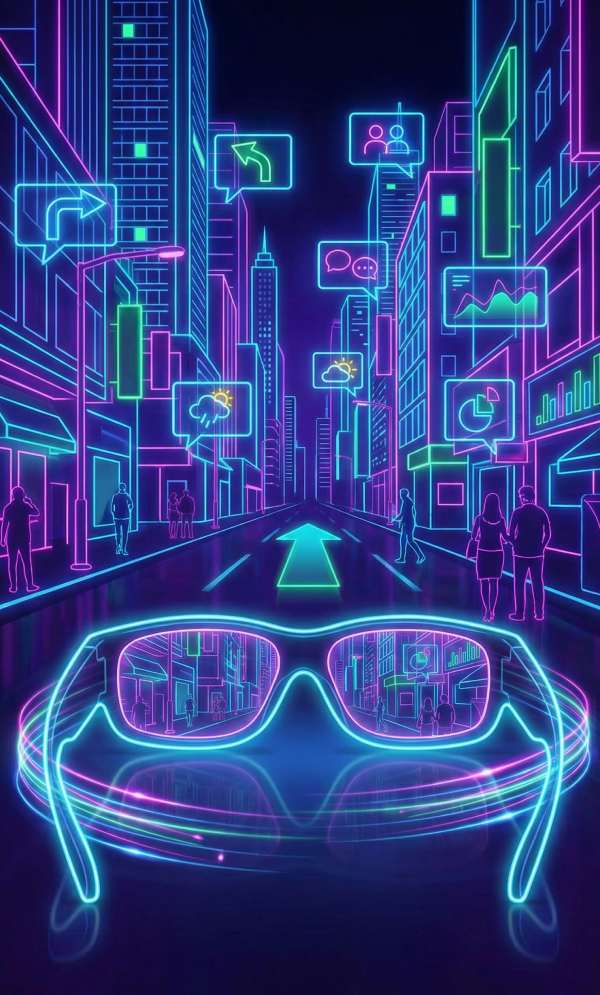
Extended Reality (XR) is a broad term that encompasses various technologies that blur the lines between the physical and digital worlds. It includes Virtual Reality (VR), Augmented Reality (AR), and Mixed Reality (MR), each with its unique characteristics and applications. VR immerses users in a completely digital environment, while AR overlays digital information onto the real world. MR, on the other hand, seamlessly blends the two, creating a hybrid experience.
Imagine being able to walk through a virtual city, interact with virtual objects, and have virtual conversations. This is the world of VR. In contrast, AR allows you to see digital information superimposed onto real-world objects, such as directions on a map or product information on a shelf. MR takes it a step further by creating a hybrid environment where the physical and digital coexist.
Why it matters
XR has the potential to revolutionize various industries, including education, healthcare, entertainment, and commerce. It can enhance learning experiences, improve patient outcomes, and create new forms of immersive entertainment. AR, for instance, can be used to provide customers with interactive product information, while MR can be used to create interactive training simulations.
Moreover, XR can also have a significant impact on our daily lives. Imagine being able to try on virtual clothes, see how furniture would look in your home, or even practice a new skill in a virtual environment. These are just a few examples of how XR can make our lives easier, more convenient, and more enjoyable.
Where you’ll see it first
You may have already seen XR in action, even if you didn't realize it. Many smartphones and tablets come with AR capabilities, allowing users to see digital information superimposed onto real-world objects. Some popular examples include Pokémon Go, which uses AR to bring virtual creatures into the real world, and IKEA Place, which allows users to see how furniture would look in their home.
In addition, many companies are starting to use XR in their marketing and advertising efforts. For instance, some brands are creating immersive VR experiences that allow customers to explore their products in a virtual environment. Others are using AR to create interactive product demonstrations.
The trade-offs and worries
While XR has the potential to revolutionize various industries and aspects of our lives, there are also some trade-offs and worries to consider. One of the main concerns is the potential for addiction. With the rise of VR and AR, there is a risk that people may become too immersed in these virtual worlds and forget about the real one.
Another concern is the potential for social isolation. While XR can provide a sense of connection and community, it can also lead to social isolation if people spend too much time interacting with virtual objects and people rather than real ones.
What to watch next
As XR continues to evolve and improve, we can expect to see even more innovative applications and uses. Some of the areas to watch include:
* **Brain-Computer Interfaces (BCIs):** BCIs have the potential to revolutionize the way we interact with technology. By using brain signals to control devices, we can create a more seamless and intuitive experience. * **Haptic Feedback:** Haptic feedback technology allows users to feel tactile sensations in virtual environments. This can enhance the sense of immersion and presence in VR and AR experiences. * **Artificial Intelligence (AI):** AI can be used to create more realistic and responsive virtual environments. It can also be used to analyze user behavior and provide personalized recommendations.
Conclusion
As we continue to push the boundaries of what is possible with XR, we are creating a future that is more immersive, more interactive, and more connected. With its potential to revolutionize various industries and aspects of our lives, XR is an exciting and rapidly evolving field that is worth watching. As we look to the future, one thing is clear: the boundaries between reality and technology are about to get a whole lot blurrier.