
What it is
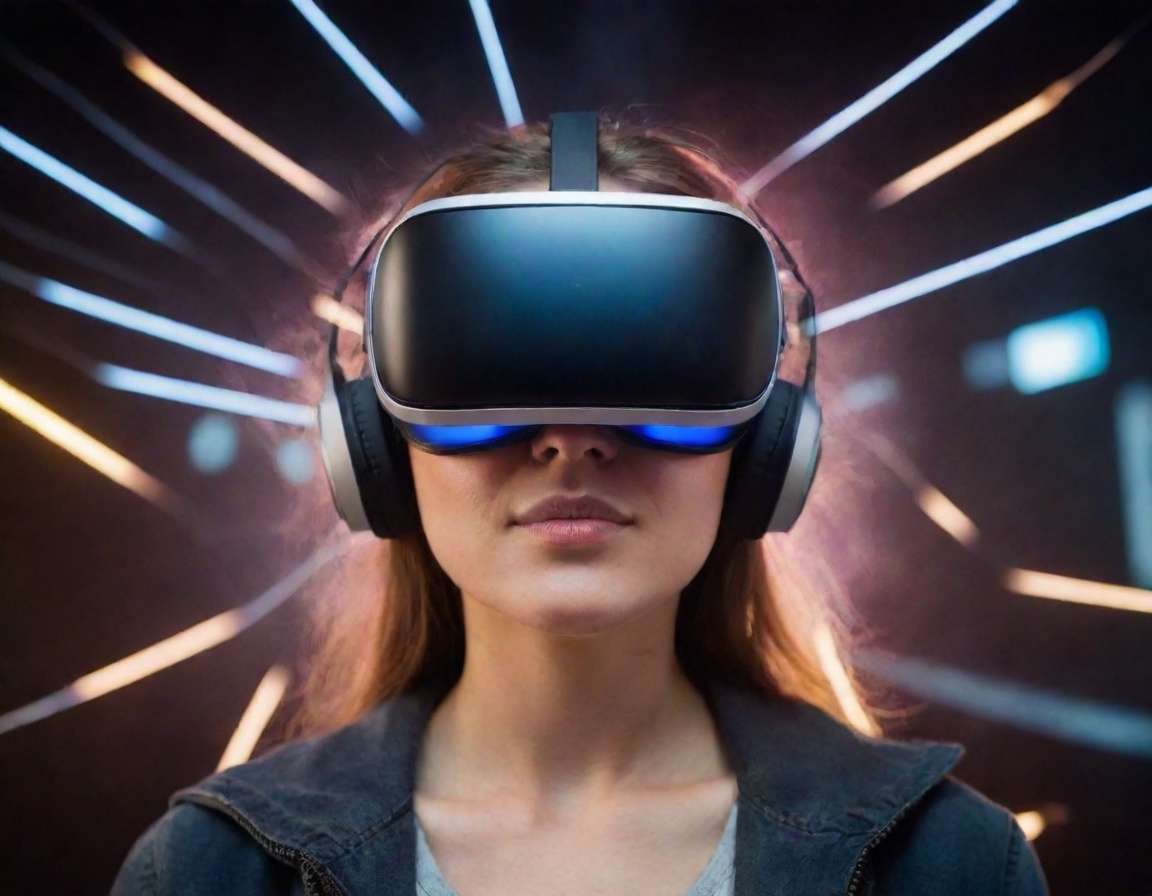
Extended Reality (XR) is a collective term that encompasses various technologies, including Virtual Reality (VR), Augmented Reality (AR), and Mixed Reality (MR). These technologies aim to blur the lines between the physical and digital worlds, creating immersive experiences that can be used in various fields, such as entertainment, education, healthcare, and more.
Imagine being able to step into a virtual world, interact with digital objects, and manipulate them in real-time. This is the promise of VR, which uses a headset to transport users to a completely digital environment. On the other hand, AR overlays digital information onto the real world, allowing users to see virtual objects and information in their surroundings. MR, meanwhile, combines elements of both VR and AR, creating a seamless blend of the physical and digital.
Why it matters
The impact of XR on our daily lives will be significant. For instance, in education, XR can create interactive and engaging learning experiences that make complex concepts more accessible and fun to learn. In healthcare, XR can be used to train medical professionals in a safe and controlled environment, reducing the risk of errors and improving patient outcomes. In entertainment, XR can revolutionize the way we experience movies, games, and other forms of media, creating immersive and interactive experiences that draw us in and keep us engaged.
Moreover, XR has the potential to transform the way we work and communicate. Virtual meetings and remote collaboration can become more immersive and engaging, making it easier to connect with colleagues and clients from around the world. Augmented reality can also be used to enhance productivity and efficiency in various industries, such as manufacturing, logistics, and retail.
Where you’ll see it first
The first applications of XR will likely be in the entertainment and gaming industries. We can already see the beginnings of this trend with the rise of VR gaming and AR experiences like Pokémon Go. However, as the technology continues to evolve and improve, we can expect to see XR being used in more and more industries.
For example, IKEA has already started using AR to allow customers to see how furniture would look in their homes before making a purchase. Similarly, Walmart has started using AR to help customers find products in their stores. These early adopters will pave the way for the widespread adoption of XR in various industries.
The trade-offs and worries
While XR has the potential to revolutionize various industries, there are also some trade-offs and worries that need to be considered. For instance, the use of XR can be isolating and solitary, which can have negative effects on mental health and social skills. Additionally, the use of XR can also be addictive, leading to a decrease in productivity and an increase in screen time.
Moreover, there are also concerns about the impact of XR on our physical and mental health. For example, the use of VR headsets can cause eye strain and headaches, while the use of AR can lead to increased stress and anxiety. These concerns need to be addressed through the development of safer and more responsible XR technologies.
What to watch next
As XR continues to evolve and improve, we can expect to see new and innovative applications of the technology. For instance, we can expect to see the development of more advanced VR and AR headsets that are more comfortable and user-friendly. We can also expect to see the development of new XR platforms and ecosystems that will enable the creation of more immersive and interactive experiences.
Moreover, we can expect to see the rise of new industries and business models that are centered around XR. For example, we can expect to see the development of new types of content and experiences that are specifically designed for XR, such as immersive stories and interactive games. We can also expect to see the rise of new types of companies that specialize in the development and deployment of XR technologies.
Conclusion
The future of XR is bright and full of possibilities. As the technology continues to evolve and improve, we can expect to see new and innovative applications of XR that will transform various industries and aspects of our lives. Whether it's in entertainment, education, healthcare, or other fields, XR has the potential to revolutionize the way we experience and interact with the world around us. And as we step into this new world of immersive experiences, one thing is clear: the future is now.