
What it is
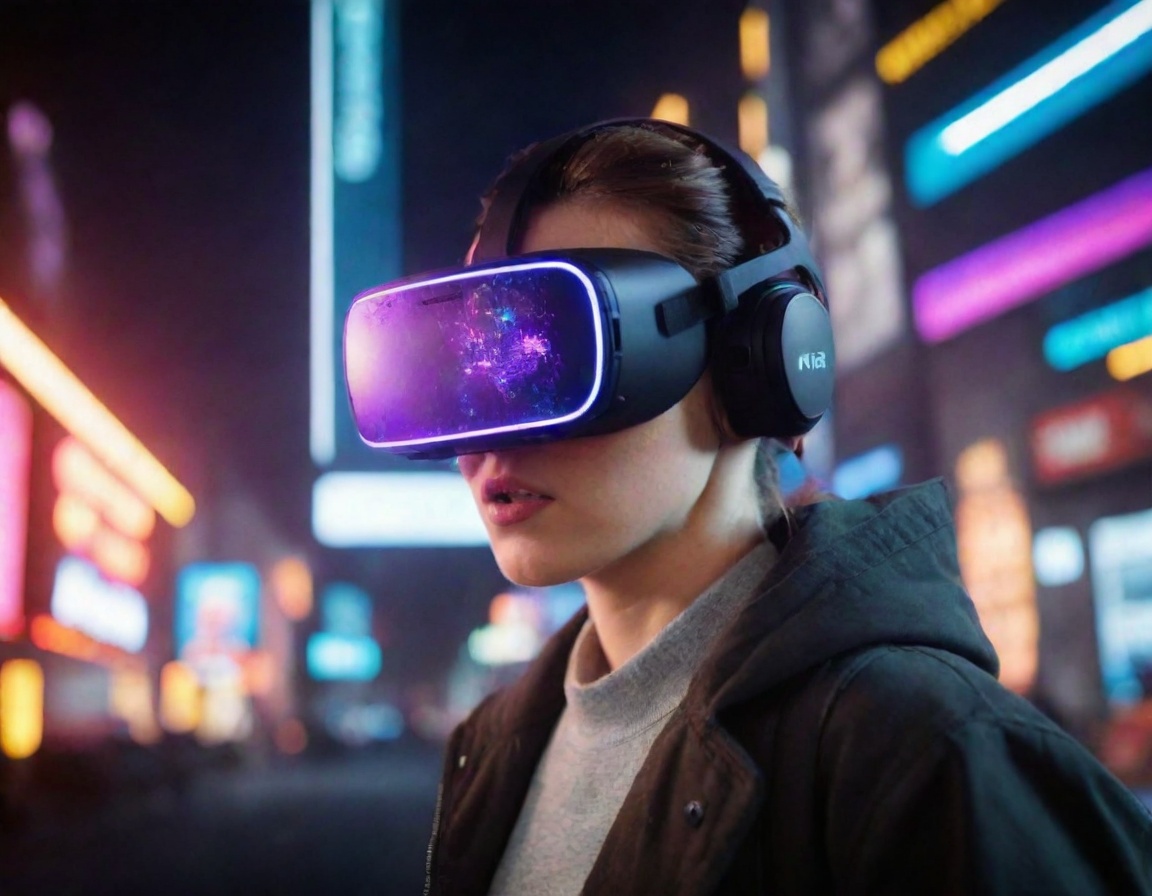
Spatial computing is an emerging technology that enables users to interact with digital information in three-dimensional space. It's an extension of virtual reality (VR) and augmented reality (AR), but with a broader scope that goes beyond immersive experiences. Spatial computing allows users to manipulate and interact with virtual objects in a more intuitive and natural way, using gestures, voice commands, or even brain-computer interfaces.
Imagine being able to summon a virtual assistant that appears in front of you, or to manipulate 3D models of buildings or products in mid-air. Spatial computing makes these scenarios possible, and it has the potential to revolutionize the way we interact with technology.
Why it matters
Spatial computing has the potential to transform various industries, including education, healthcare, entertainment, and commerce. For example, in education, spatial computing can create immersive and interactive learning experiences that make complex concepts more engaging and easier to understand. In healthcare, spatial computing can enable doctors to visualize and manipulate 3D models of organs and tissues, leading to more accurate diagnoses and treatments.
In entertainment, spatial computing can create new forms of interactive storytelling and gaming experiences that blur the lines between the physical and digital worlds. And in commerce, spatial computing can enable customers to visualize and interact with products in a more immersive and engaging way, leading to increased sales and customer satisfaction.
Where you’ll see it first
Spatial computing is already being explored in various fields, including gaming, education, and healthcare. For example, some gaming companies are using spatial computing to create immersive and interactive gaming experiences that use gestures, voice commands, and even brain-computer interfaces. In education, some schools are using spatial computing to create interactive and immersive learning experiences that make complex concepts more engaging and easier to understand.
In healthcare, some hospitals are using spatial computing to enable doctors to visualize and manipulate 3D models of organs and tissues, leading to more accurate diagnoses and treatments. And in commerce, some companies are using spatial computing to enable customers to visualize and interact with products in a more immersive and engaging way.
The trade-offs and worries
While spatial computing has the potential to revolutionize the way we interact with technology, it also raises some concerns and trade-offs. For example, spatial computing requires significant computational power and memory, which can be a challenge for devices with limited resources. Additionally, spatial computing can be a distraction, especially in situations where users need to focus on other tasks.
Another concern is the potential for spatial computing to exacerbate existing social and economic inequalities. For example, spatial computing may be more accessible to those who have the means to purchase high-end devices and software, leaving behind those who do not have access to these resources.
What to watch next
As spatial computing continues to evolve, we can expect to see new and innovative applications of this technology. For example, we may see the development of more advanced brain-computer interfaces that enable users to control devices with their thoughts. We may also see the creation of more immersive and interactive gaming experiences that use spatial computing to create new forms of storytelling and gameplay.
In addition, we can expect to see the development of more affordable and accessible spatial computing devices and software, making it possible for more people to experience the benefits of this technology.
Conclusion
Spatial computing is an emerging technology that has the potential to revolutionize the way we interact with technology. With its ability to enable users to interact with digital information in three-dimensional space, spatial computing has the potential to transform various industries and create new forms of immersive and interactive experiences. As this technology continues to evolve, we can expect to see new and innovative applications that make it possible for more people to experience the benefits of spatial computing. The future of spatial computing is bright, and it's only a matter of time before we see the full potential of this technology realized.