
What it is
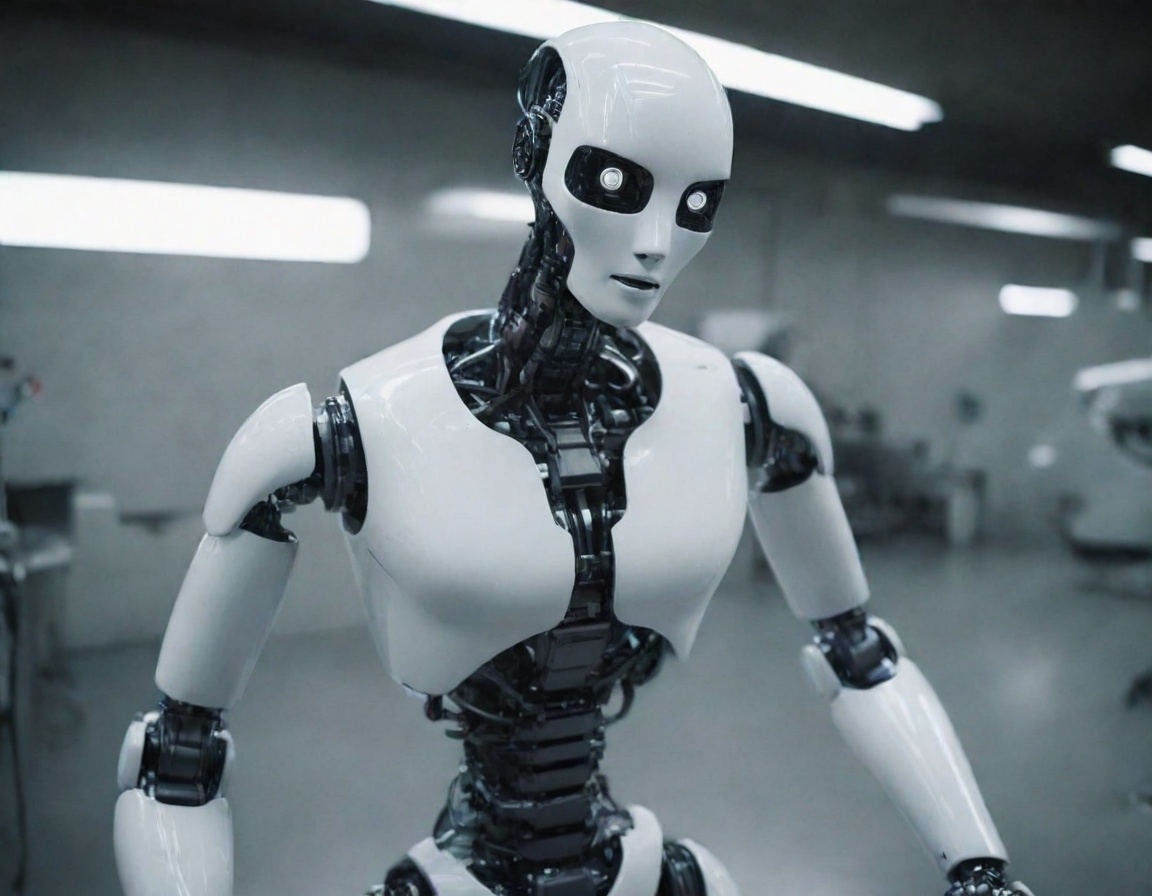
Service robots are designed to assist humans in various tasks, improving efficiency, productivity, and quality of life. These robots can be found in healthcare, education, hospitality, and other industries, performing tasks such as cleaning, cooking, and providing companionship.
In healthcare, service robots can help with patient care, such as transporting medication, assisting with physical therapy, and providing emotional support. They can also help with tasks like laundry, meal preparation, and waste management, freeing up human staff to focus on more critical tasks.
In education, service robots can help students with learning disabilities, such as autism or ADHD, by providing personalized support and assistance. They can also help with tasks like library management, inventory control, and maintenance, making the learning environment more efficient and effective.
Why it matters
Service robots have the potential to revolutionize the way we live and work, making our lives easier, safer, and more enjoyable. By automating routine tasks, service robots can free up human time and resources, allowing us to focus on more creative, strategic, and high-value tasks.
Moreover, service robots can help address some of the world's most pressing challenges, such as an aging population, a shortage of skilled workers, and the need for more efficient and sustainable systems. By providing assistance and support, service robots can help people with disabilities, elderly individuals, and those in need, improving their quality of life and well-being.
Where you’ll see it first
Service robots are already being used in various settings, from hospitals and schools to hotels and shopping malls. In fact, many countries have implemented service robots in their public spaces, such as airports, train stations, and museums, to provide assistance and support to visitors.
For example, in Japan, service robots are being used to help elderly individuals with daily tasks, such as grocery shopping and household chores. In the United States, service robots are being used in hospitals to assist with patient care and transportation.
The trade-offs and worries
While service robots have the potential to revolutionize the way we live and work, there are also concerns about their impact on employment, social relationships, and individual autonomy. Some people worry that service robots will replace human workers, leading to job losses and social unrest.
Others worry about the potential for service robots to exacerbate social isolation and loneliness, particularly among elderly individuals who may rely on them for companionship. There are also concerns about the potential for service robots to be used for malicious purposes, such as surveillance or manipulation.
What to watch next
As service robots continue to evolve and improve, we can expect to see even more innovative applications and uses. Some potential areas to watch include:
* Personalized healthcare: Service robots can be designed to provide personalized healthcare and support to individuals with specific needs and conditions. * Smart homes: Service robots can be integrated into smart home systems to provide assistance and support with daily tasks and household chores. * Education: Service robots can be used to provide personalized education and support to students with learning disabilities or other needs.
Conclusion
The future of service robots is bright, with the potential to revolutionize the way we live and work. As we continue to develop and deploy these robots, we must also address the trade-offs and worries associated with their use, ensuring that they are designed and implemented in ways that benefit society as a whole. The future is here, and it's time to get ready for the robots.