
What it is
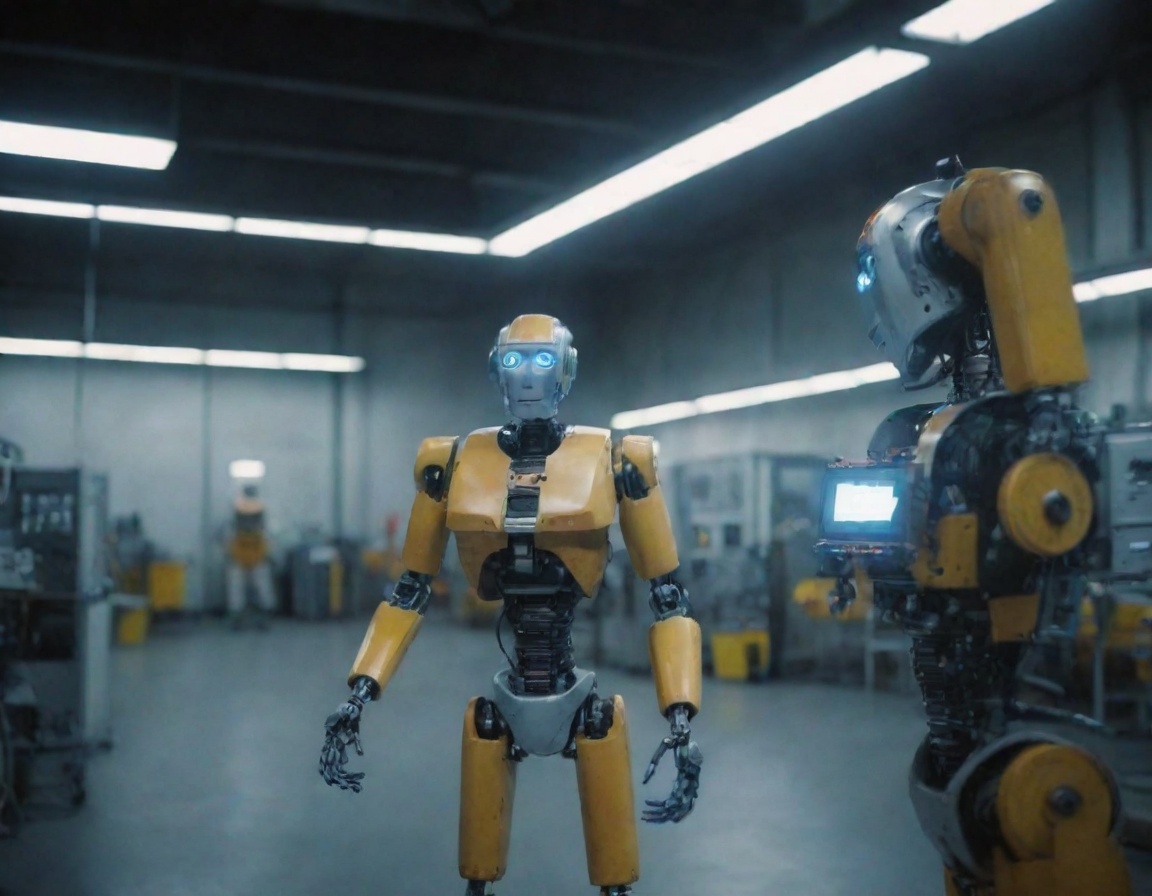
Imagine a world where your home is equipped with an intelligent assistant that can learn your habits, anticipate your needs, and adapt to your lifestyle. This is the world of Home Robot Assistants, powered by the Robot Operating System (ROS). ROS is an open-source software framework that enables robots to perceive, reason, and interact with their environment. It's the brain behind the robot, allowing it to understand and respond to commands, navigate through spaces, and perform tasks with precision and accuracy.
ROS is designed to be modular and flexible, making it easy to integrate with various sensors, actuators, and other devices. This means that a Home Robot Assistant can be equipped with a range of capabilities, from simple tasks like turning on lights or playing music to more complex tasks like cooking meals or assisting with household chores.
Why it matters
The rise of Home Robot Assistants has the potential to revolutionize the way we live and interact with our homes. With a robot assistant, you can enjoy a more convenient and comfortable living experience, with tasks automated and simplified. This can be especially beneficial for people with disabilities, elderly individuals, or those with busy lifestyles.
Moreover, Home Robot Assistants can also provide a sense of security and peace of mind, with features like motion detection, video surveillance, and emergency response systems. They can also learn and adapt to your preferences, making your home a more personalized and enjoyable space.
Where you’ll see it first
Home Robot Assistants are already being tested and deployed in various settings, from homes and offices to hospitals and public spaces. Companies like Amazon, Google, and Microsoft are investing heavily in the development of these robots, with some already available for purchase or in beta testing.
However, it's worth noting that the widespread adoption of Home Robot Assistants will depend on various factors, including technological advancements, user acceptance, and regulatory frameworks. As the technology continues to evolve, we can expect to see more sophisticated and user-friendly robots that seamlessly integrate into our daily lives.
The trade-offs and worries
While Home Robot Assistants offer many benefits, there are also concerns about their impact on our lives and society. Some of the trade-offs and worries include:
* **Job displacement**: As robots take over tasks, there is a risk of job displacement for human workers. * **Data privacy**: With robots collecting and storing vast amounts of data, there are concerns about data privacy and security. * **Dependence on technology**: Over-reliance on robots can lead to a loss of basic skills and a decreased sense of self-sufficiency. * **Social isolation**: The increased use of robots could lead to social isolation and decreased human interaction.
What to watch next
As the technology continues to evolve, we can expect to see more advanced and sophisticated Home Robot Assistants. Some of the areas to watch include:
* **Artificial intelligence**: The integration of AI into Home Robot Assistants will enable them to learn and adapt to user behavior, making them more effective and efficient. * **Internet of Things (IoT)**: The integration of IoT devices will enable Home Robot Assistants to interact with a wide range of devices and systems, making them more versatile and useful. * **Autonomy**: The development of autonomous robots will enable them to navigate and interact with their environment without human intervention.
Conclusion
The future of Home Robot Assistants is bright, with the potential to revolutionize the way we live and interact with our homes. As the technology continues to evolve, we can expect to see more sophisticated and user-friendly robots that seamlessly integrate into our daily lives. With the rise of Home Robot Assistants, we can look forward to a future of intelligent living, where tasks are automated, and life is made easier and more enjoyable.