
What it is
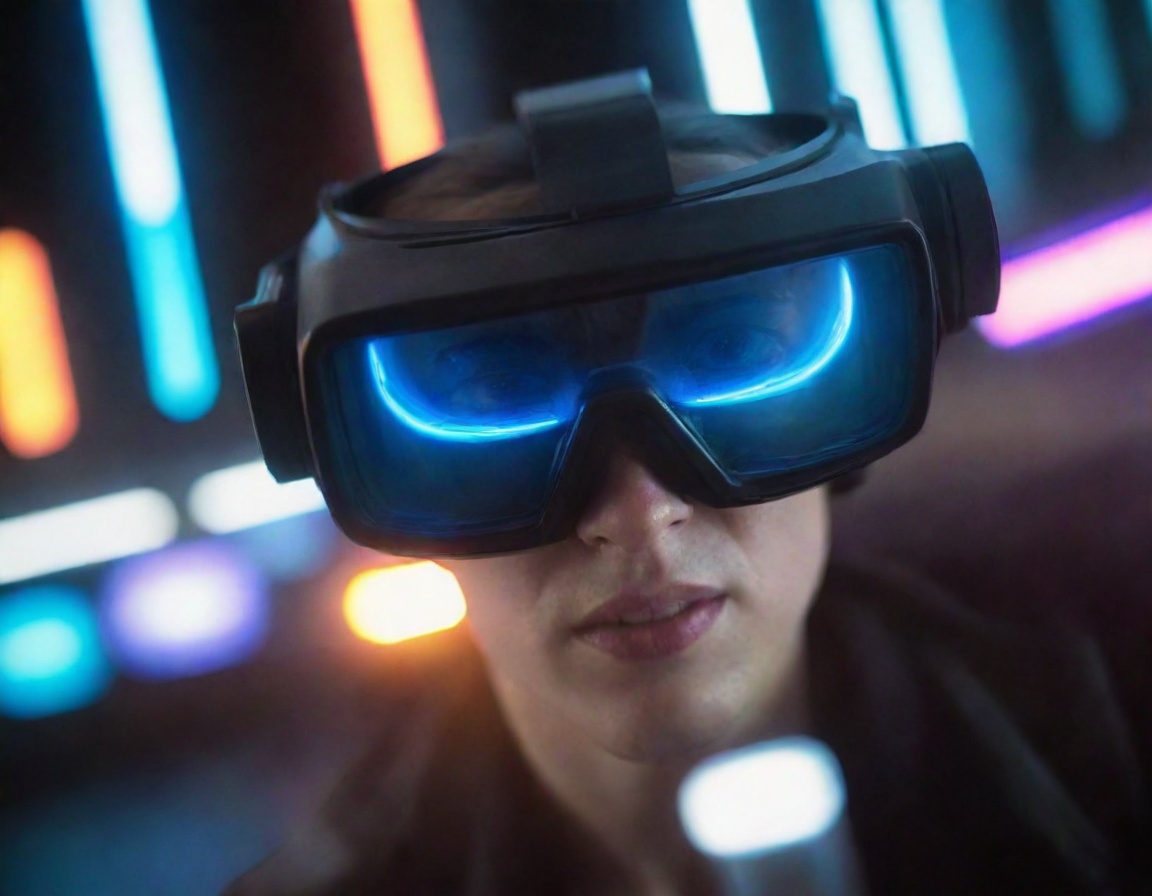
Immersive business environments with Extended Reality (XR) are interactive, three-dimensional spaces that simulate real-world settings, allowing employees to engage with virtual products, services, and colleagues in a more immersive and engaging way. These environments can be accessed through various devices, including head-mounted displays, augmented reality glasses, and even smartphones.
Imagine walking into a virtual office, where you can see your colleagues working on a project, or attending a meeting in a virtual conference room. You can interact with virtual objects, explore virtual spaces, and even collaborate with others in real-time. This is the power of immersive business environments with XR.
Why it matters
Immersive business environments with XR have the potential to revolutionize the way we work, learn, and interact with each other. By creating more engaging and interactive experiences, businesses can improve employee productivity, reduce training costs, and enhance customer engagement. Additionally, XR environments can help to reduce the need for physical travel, making remote work more accessible and convenient.
Moreover, immersive business environments with XR can also help to address some of the biggest challenges facing businesses today, such as talent acquisition and retention, diversity and inclusion, and employee well-being. By providing a more immersive and engaging work experience, businesses can attract and retain top talent, foster a more inclusive and diverse workplace culture, and promote employee well-being and job satisfaction.
Where you’ll see it first
Immersive business environments with XR are already being used in various industries, including education, healthcare, manufacturing, and finance. For example, companies like Walmart and IKEA are using XR to train employees on new products and services, while hospitals are using XR to simulate surgeries and improve patient outcomes.
In the education sector, universities are using XR to create immersive learning experiences, such as virtual labs and simulations, to enhance student engagement and understanding. Additionally, companies like Google and Microsoft are using XR to create immersive business environments for their employees, such as virtual offices and meeting spaces.
The trade-offs and worries
While immersive business environments with XR offer many benefits, there are also some trade-offs and worries to consider. For example, the cost of implementing XR technology can be high, and the need for specialized training and support can be a challenge. Additionally, there are concerns about the potential impact of XR on employee well-being, such as the risk of eye strain and headaches.
Moreover, there are also concerns about the potential impact of XR on the physical environment, such as the need for more energy-efficient and sustainable solutions. Finally, there are also concerns about the potential impact of XR on the social and cultural environment, such as the need to ensure that XR environments are inclusive and accessible to all.
What to watch next
As the technology continues to evolve, we can expect to see even more innovative applications of immersive business environments with XR. For example, we may see the development of more advanced XR platforms, such as those that can simulate complex systems and processes, or those that can provide real-time feedback and analytics.
We may also see the development of new XR-based business models, such as those that focus on virtual events and experiences, or those that provide access to virtual products and services. Additionally, we may see the development of new XR-based tools and platforms, such as those that can help businesses to create and manage their own XR environments.
Conclusion
Immersive business environments with XR are the future of work, and they have the potential to revolutionize the way we work, learn, and interact with each other. By providing a more immersive and engaging work experience, businesses can improve employee productivity, reduce training costs, and enhance customer engagement. As the technology continues to evolve, we can expect to see even more innovative applications of immersive business environments with XR, and we can expect to see a future where work is more engaging, more inclusive, and more sustainable. The future of work is immersive.