
Introduction
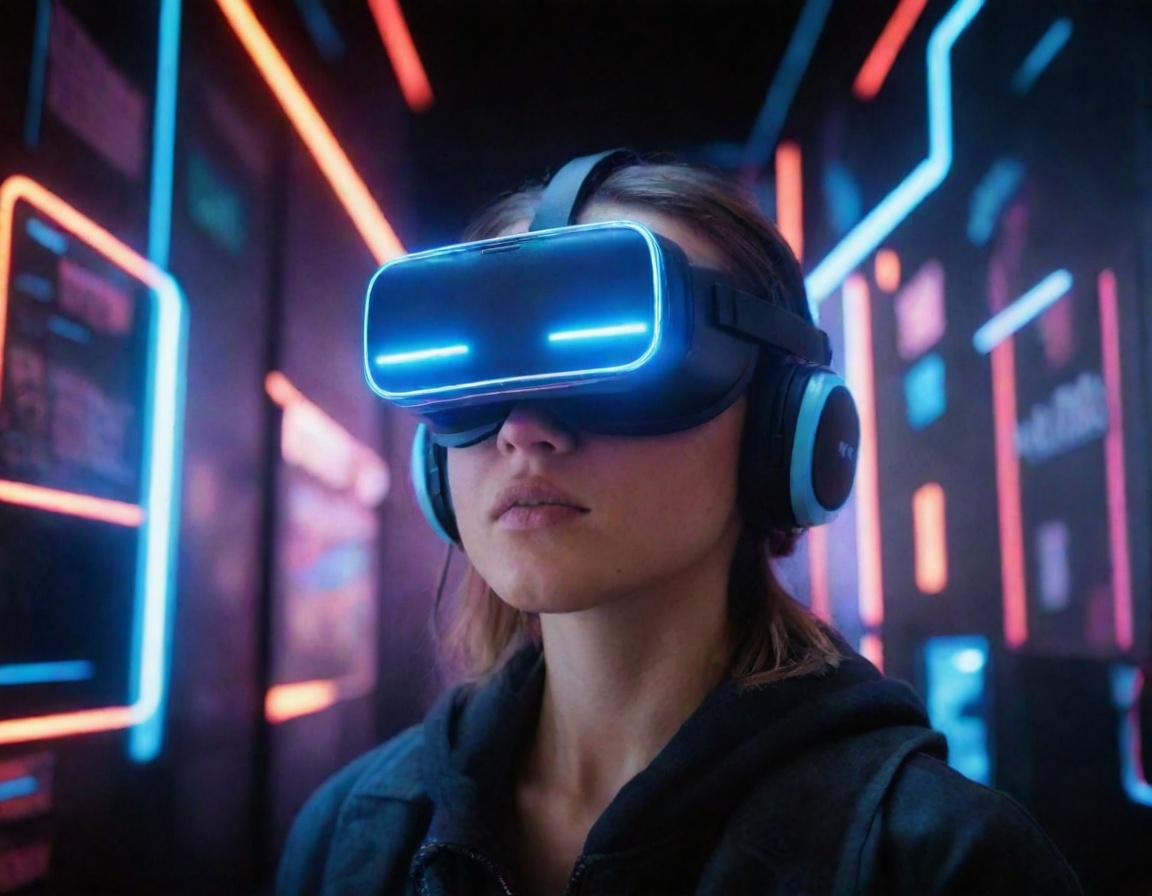
In the realm of Extended Reality (XR), 3D spatial computing has emerged as a groundbreaking technology that enables users to engage with digital information in a more immersive and intuitive manner. By leveraging the capabilities of spatial computing, developers can create interactive experiences that blur the lines between the physical and digital worlds. In this article, we will delve into the world of 3D spatial computing, exploring its core principles, applications, and benefits.
What is 3D Spatial Computing?
3D spatial computing refers to the use of spatial awareness and gesture recognition to interact with digital information in a three-dimensional environment. This technology allows users to manipulate virtual objects, navigate through virtual spaces, and engage with digital information in a more natural and intuitive way. By using spatial computing, developers can create immersive experiences that simulate real-world interactions, making it easier for users to learn, explore, and interact with complex information.
Key Components of 3D Spatial Computing
To build immersive experiences with 3D spatial computing, developers need to consider the following key components:
* **Spatial Awareness**: This refers to the ability of the system to detect and track the user's movements and gestures in 3D space. This can be achieved using various technologies such as cameras, sensors, and tracking systems. * **Gesture Recognition**: This involves recognizing and interpreting the user's gestures and movements to determine the desired action. This can be achieved using machine learning algorithms and computer vision techniques. * **3D Rendering**: This involves rendering 3D graphics and visualizations to create an immersive environment. This can be achieved using various graphics processing units (GPUs) and rendering engines. * **User Interface**: This involves designing an intuitive and user-friendly interface that allows users to interact with the digital information in a natural and intuitive way.
Applications of 3D Spatial Computing
3D spatial computing has a wide range of applications across various industries, including:
* **Education**: 3D spatial computing can be used to create interactive and immersive learning experiences that simulate real-world interactions. * **Gaming**: 3D spatial computing can be used to create immersive and interactive gaming experiences that simulate real-world interactions. * **Architecture**: 3D spatial computing can be used to create interactive and immersive visualizations of building designs and layouts. * **Healthcare**: 3D spatial computing can be used to create interactive and immersive visualizations of medical data and procedures.
Benefits of 3D Spatial Computing
The benefits of 3D spatial computing include:
* **Improved Engagement**: 3D spatial computing can increase user engagement and participation in interactive experiences. * **Enhanced Learning**: 3D spatial computing can improve learning outcomes and retention by providing interactive and immersive learning experiences. * **Increased Productivity**: 3D spatial computing can increase productivity by providing users with a more intuitive and user-friendly interface. * **Cost Savings**: 3D spatial computing can reduce costs by reducing the need for physical prototypes and models.
Conclusion
As we continue to push the boundaries of what is possible with 3D spatial computing, we are creating a new era of immersive and interactive experiences that are revolutionizing the way we interact with digital information. With its ability to simulate real-world interactions, 3D spatial computing is poised to transform industries and change the way we live, work, and play. As we look to the future, one thing is clear: the possibilities are endless, and the future is now.
Future of 3D Spatial Computing
As 3D spatial computing continues to evolve, we can expect to see even more innovative applications and uses across various industries. Some potential future developments include:
* **Advancements in Augmented Reality (AR)**: 3D spatial computing can be used to create more sophisticated and immersive AR experiences that seamlessly blend the physical and digital worlds. * **Increased Use in Remote Work**: 3D spatial computing can be used to create virtual meeting spaces and collaborative environments that enable remote teams to work together more effectively. * **Improved Accessibility**: 3D spatial computing can be used to create interactive and immersive experiences that are accessible to people with disabilities, enabling them to participate more fully in digital interactions. * **New Business Models**: 3D spatial computing can enable new business models and revenue streams, such as virtual product demonstrations and interactive advertising.
Challenges and Limitations
While 3D spatial computing has the potential to revolutionize various industries, there are also challenges and limitations that need to be addressed. Some of these include:
* **Technical Complexity**: 3D spatial computing requires significant technical expertise and resources to develop and implement effectively. * **Cost**: 3D spatial computing can be expensive to develop and implement, particularly for small businesses or individuals. * **User Adoption**: 3D spatial computing requires users to have a certain level of technical proficiency and comfort with interactive technologies. * **Content Creation**: 3D spatial computing requires high-quality content and experiences that are engaging and effective.