
What it is
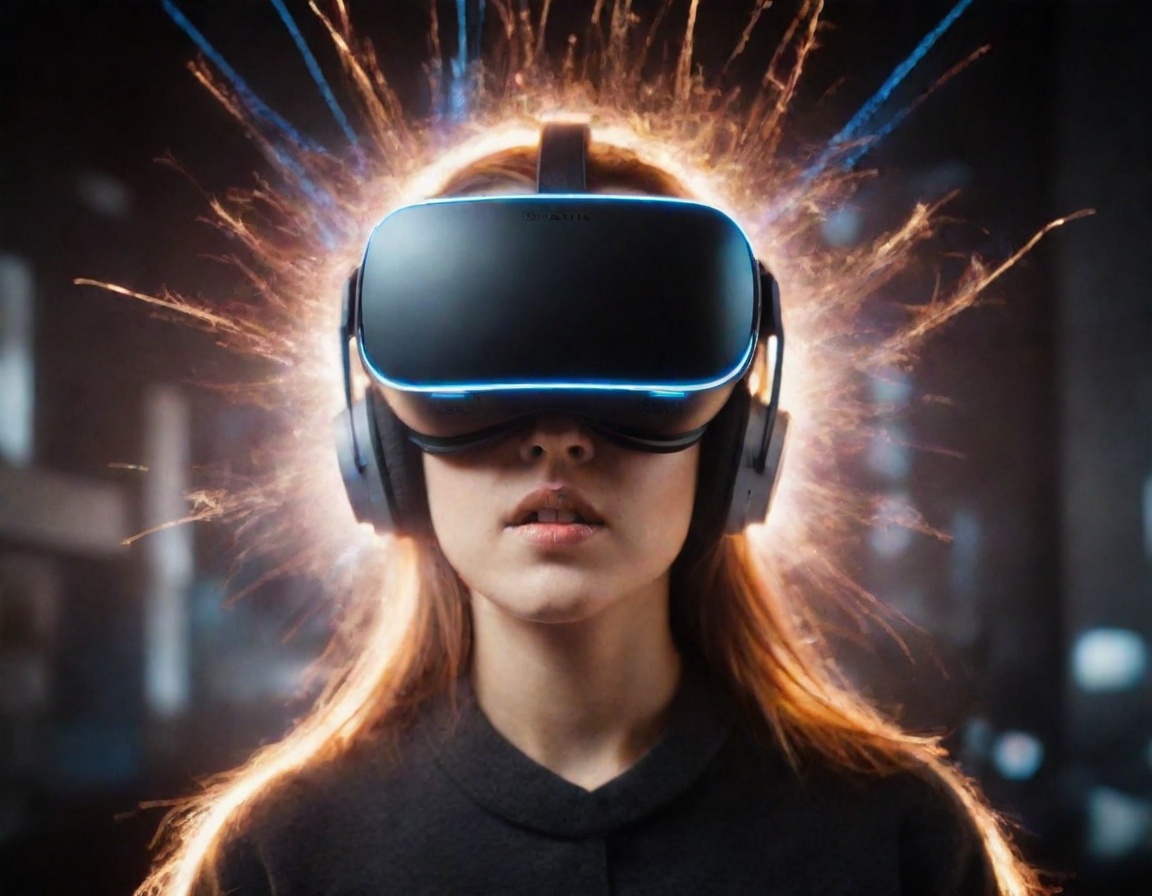
Augmented Reality (AR) is a technology that overlays digital information and images onto the real world, creating an immersive experience for the user. This can be achieved through various devices such as smartphones, tablets, smart glasses, and head-mounted displays. AR can be used to enhance our daily lives by providing interactive and engaging experiences that blend the physical and digital worlds.
Imagine walking through a museum and seeing a 3D model of a dinosaur overlaid on the exhibit, or being able to see the instructions for assembling a piece of furniture projected onto the actual object. These are just a few examples of how AR can be used to create immersive experiences that are both informative and entertaining.
Why it matters
AR has the potential to revolutionize the way we interact with information and each other. By providing an immersive and interactive experience, AR can increase engagement and understanding, making it an ideal tool for education, training, and communication. Additionally, AR can be used to enhance customer experiences, improve product design, and increase sales.
For example, IKEA has used AR to allow customers to see how furniture would look in their home before making a purchase. This has increased customer satisfaction and reduced returns. Similarly, medical professionals have used AR to practice surgeries and improve patient outcomes.
Where you’ll see it first
AR is already being used in various industries and applications. Some of the most notable examples include:
* Gaming: AR is being used to create immersive gaming experiences that blend the physical and digital worlds. * Education: AR is being used to create interactive and engaging educational experiences that increase student understanding and retention. * Healthcare: AR is being used to improve patient outcomes and enhance medical training. * Retail: AR is being used to enhance customer experiences and improve product design.
As AR technology continues to evolve, we can expect to see it being used in even more industries and applications.
The trade-offs and worries
While AR has the potential to revolutionize the way we interact with the world around us, there are also some trade-offs and worries to consider. Some of the concerns include:
* Cost: AR technology can be expensive, making it inaccessible to some individuals and organizations. * Complexity: AR can be complex to implement and use, requiring significant technical expertise. * Data privacy: AR requires access to user data, raising concerns about data privacy and security. * Addiction: AR can be addictive, leading to concerns about its impact on mental and physical health.
What to watch next
As AR technology continues to evolve, we can expect to see new and innovative applications emerge. Some of the areas to watch include:
* Extended Reality (XR): XR is a term that encompasses AR, Virtual Reality (VR), and Mixed Reality (MR). XR has the potential to revolutionize the way we interact with information and each other. * Artificial Intelligence (AI): AI is being used to enhance AR experiences, making them more interactive and engaging. * 5G: 5G networks have the potential to enable faster and more reliable AR experiences.
Conclusion
As we continue to explore the possibilities of AR, one thing is clear: the future of immersive experiences is here, and it's going to change the world.