
What it is
Spatial audio is a revolutionary technology that recreates the way sound behaves in the real world. Unlike traditional stereo audio, which creates a fixed soundstage between two speakers, spatial audio simulates the way sound waves bounce off surfaces and envelop the listener. This creates an immersive experience that makes you feel like you're right in the middle of the action.
Imagine being in a virtual concert, surrounded by the sound of a live orchestra. Spatial audio makes it feel like the music is coming from all directions, with each instrument and vocalist perfectly placed in the soundstage. It's a truly magical experience that will leave you breathless.
Why it matters
Spatial audio has the potential to revolutionize the way we experience entertainment, education, and even communication. By creating a more immersive and engaging experience, it can increase empathy and understanding, making it an essential tool for fields like psychology, medicine, and social sciences.
In the world of entertainment, spatial audio can transport us to new worlds, making us feel like we're part of the story. It can also enhance the sense of presence and immersion, making us feel more connected to the characters and the environment.
Where you’ll see it first
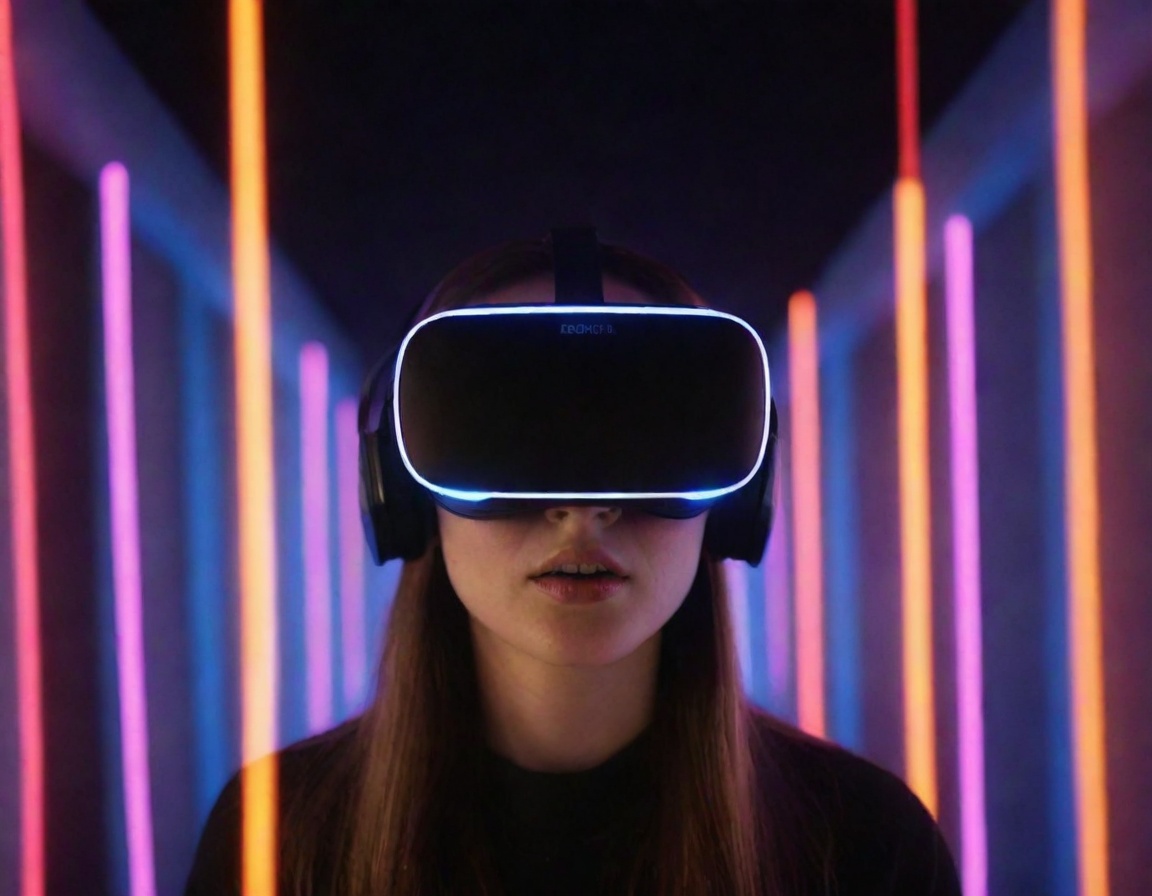
Spatial audio is already being used in various industries, from gaming and entertainment to education and healthcare. You can experience it in virtual reality (VR) and augmented reality (AR) headsets, as well as in 3D audio-enabled headphones and speakers.
Some of the most impressive examples of spatial audio can be found in the world of gaming. Games like "Half-Life: Alyx" and "Resident Evil 7" use spatial audio to create a truly immersive experience, making you feel like you're right in the middle of the action.
The trade-offs and worries
While spatial audio has the potential to revolutionize the way we experience entertainment and education, there are also some trade-offs and worries to consider. One of the main concerns is the cost of implementation, as spatial audio requires specialized hardware and software.
Another worry is the potential for information overload, as spatial audio can create a sense of overwhelm and disorientation. This can be particularly problematic in fields like education and healthcare, where clear and concise communication is essential.
What to watch next
As spatial audio continues to evolve and improve, we can expect to see even more innovative applications in the future. Some of the most exciting developments include the use of spatial audio in fields like psychology and medicine, where it can be used to create more immersive and engaging experiences.
We can also expect to see the development of more affordable and accessible spatial audio technologies, making it possible for more people to experience the magic of immersive audio.
Conclusion
As we continue to push the boundaries of what's possible with spatial audio, one thing is clear: the future of immersive experiences is here, and it's going to change the way we live, work, and play forever.