
What it is
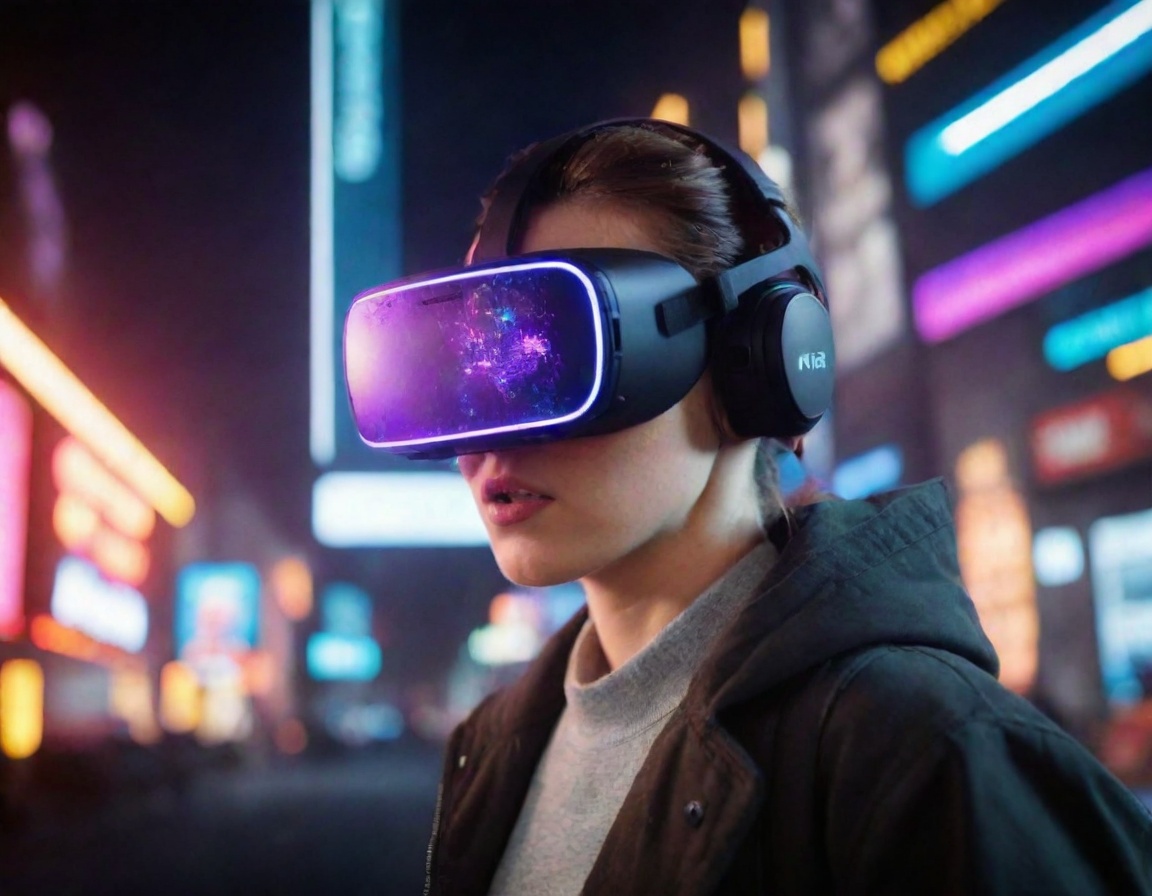
Spatial computing is a revolutionary technology that combines virtual, augmented, and mixed reality to create immersive experiences. It's an evolution of the way we interact with digital information, going beyond the limitations of traditional screens and interfaces. By using spatial computing, we can manipulate digital objects in 3D space, creating a more intuitive and engaging way to interact with virtual worlds.
Imagine being able to walk into a virtual room, pick up a virtual object, and manipulate it with your hands. This is the kind of experience that spatial computing makes possible. It's not just about displaying information on a screen; it's about creating an immersive environment that surrounds us and engages our senses.
Why it matters
Spatial computing has the potential to transform the way we live, work, and play. It can revolutionize industries such as education, healthcare, and entertainment, making them more engaging, interactive, and effective. For example, in education, spatial computing can create immersive learning experiences that make complex concepts more accessible and fun to learn. In healthcare, it can help patients recover from injuries or illnesses by providing them with immersive therapy experiences.
Moreover, spatial computing can also have a significant impact on our daily lives. It can help us navigate complex spaces, such as cities or buildings, by providing us with interactive maps and directions. It can also enable us to create and share virtual objects and experiences, opening up new possibilities for creativity and self-expression.
Where you’ll see it first
Spatial computing is already being used in various industries and applications. For example, in the gaming industry, spatial computing is being used to create immersive gaming experiences that blur the lines between the physical and virtual worlds. In the education sector, spatial computing is being used to create interactive learning experiences that make complex concepts more accessible and fun to learn.
In the future, we can expect to see spatial computing being used in a wide range of applications, from healthcare and education to entertainment and commerce. It's an exciting time for spatial computing, and we can expect to see many new and innovative applications emerge in the coming years.
The trade-offs and worries
While spatial computing has the potential to revolutionize the way we interact with digital information, it also raises some concerns and trade-offs. For example, the use of spatial computing can be addictive, leading to a loss of productivity and social skills. It can also be expensive, making it inaccessible to many people.
Moreover, the use of spatial computing can also raise concerns about data privacy and security. As we create and share virtual objects and experiences, we need to be mindful of the data that we are collecting and sharing, and ensure that it is secure and protected.
What to watch next
As spatial computing continues to evolve and mature, we can expect to see many new and innovative applications emerge. Some of the areas to watch include:
* The development of more advanced spatial computing hardware, such as augmented reality glasses and virtual reality headsets. * The creation of more sophisticated spatial computing software, such as platforms for creating and sharing virtual objects and experiences. * The use of spatial computing in new and innovative industries, such as education, healthcare, and entertainment.
Conclusion
Spatial computing is a revolutionary technology that has the potential to transform the way we interact with digital information. It's an exciting time for spatial computing, and we can expect to see many new and innovative applications emerge in the coming years. As we continue to explore the possibilities of spatial computing, we need to be mindful of the trade-offs and worries, and ensure that we are using this technology in a responsible and sustainable way. The future of spatial computing is bright, and it's an exciting time to be a part of it.