
What it is
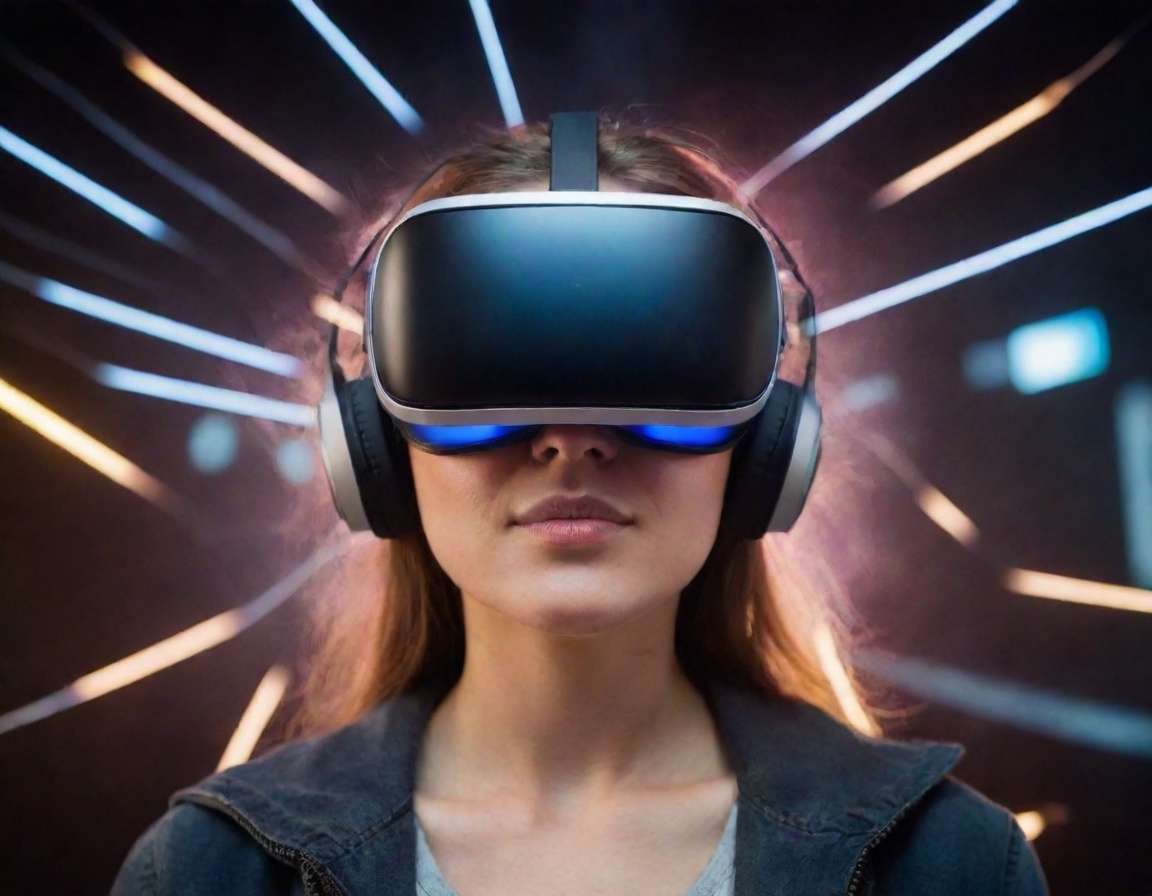
Imagine walking into a virtual world where you can touch, see, and interact with objects in three dimensions. This is the promise of 3D spatial computing, a technology that's revolutionizing the way we experience virtual reality (VR) and augmented reality (AR). Unlike traditional 2D displays, 3D spatial computing uses sensors, cameras, and other devices to create a three-dimensional environment that's indistinguishable from the real world.
In this immersive world, you can move around, pick up objects, and even manipulate them in mid-air. The possibilities are endless, from gaming and entertainment to education, healthcare, and even architecture. With 3D spatial computing, the boundaries between the physical and virtual worlds are blurring, and a new era of interactive experiences is unfolding.
Why it matters
The impact of 3D spatial computing will be felt across various industries and aspects of our lives. In education, for instance, students can engage in interactive simulations, explore virtual labs, and even participate in virtual field trips. In healthcare, doctors can use 3D spatial computing to visualize complex medical procedures, plan surgeries, and even train patients on new treatments.
In the entertainment industry, 3D spatial computing is opening up new possibilities for immersive storytelling, interactive games, and even virtual concerts. And in architecture, designers can use 3D spatial computing to create virtual models, test designs, and even collaborate with clients in real-time.
Where you’ll see it first
The first applications of 3D spatial computing will likely appear in gaming and entertainment. Companies like Oculus, Valve, and Sony are already working on 3D spatial computing technologies that will enable gamers to experience immersive, interactive worlds like never before.
In addition, companies like Magic Leap and Microsoft are developing 3D spatial computing platforms that will enable developers to create a wide range of applications, from education and healthcare to architecture and beyond.
The trade-offs and worries
While 3D spatial computing holds tremendous promise, there are also concerns about its impact on our lives. For instance, the increased use of 3D spatial computing could lead to a decline in physical activity, as people spend more time interacting with virtual worlds and less time engaging in physical activities.
Additionally, there are concerns about the potential for 3D spatial computing to exacerbate social isolation, as people spend more time interacting with virtual worlds and less time interacting with real people.
What to watch next
As 3D spatial computing continues to evolve, we can expect to see a wide range of new applications and innovations. Some of the areas to watch include:
* Advancements in 3D spatial computing hardware, such as improved sensors, cameras, and displays * Development of new 3D spatial computing platforms and software * Increased adoption of 3D spatial computing in industries such as education, healthcare, and architecture * Growing use of 3D spatial computing in gaming and entertainment
Conclusion
The future of 3D spatial computing is bright, and its impact will be felt across various industries and aspects of our lives. As this technology continues to evolve, we can expect to see a wide range of new applications and innovations that will change the way we interact with the world around us. And as we step into this new era of immersive experiences, one thing is clear: the boundaries between the physical and virtual worlds will never be the same again.