
What it is
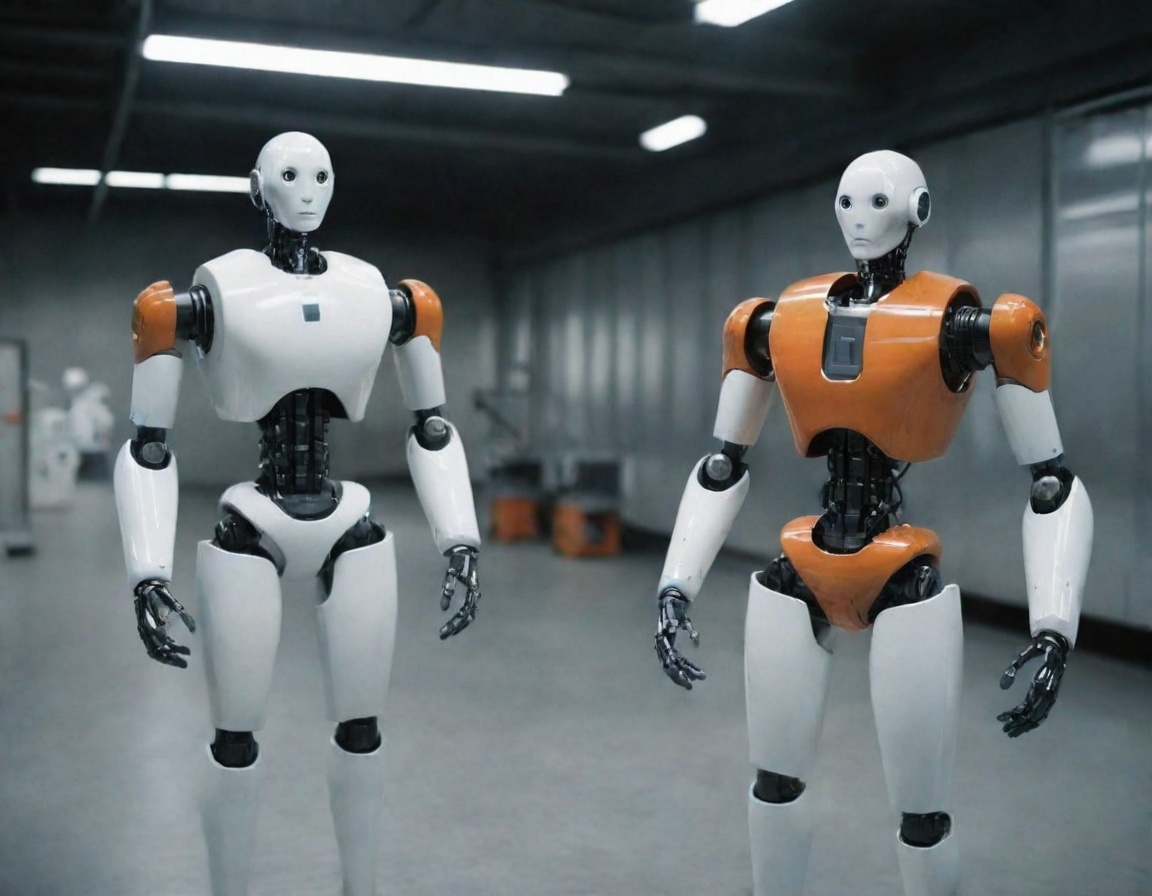
Imagine walking into your home and being greeted by a friendly, helpful robot that can assist you with daily tasks, from fetching your favorite snack to reminding you of upcoming appointments. Autonomous robots for home assistance are intelligent machines that can navigate and interact with their environment, making life easier and more convenient for homeowners.
These robots use advanced sensors, artificial intelligence, and machine learning algorithms to understand their surroundings and respond accordingly. They can be programmed to perform a wide range of tasks, from simple chores like cleaning and laundry to more complex tasks like cooking and personal care.
Why it matters
The rise of autonomous robots for home assistance has the potential to revolutionize the way we live and interact with our homes. With the increasing demand for smart homes and the growing need for assistance with daily tasks, these robots can provide a convenient and efficient solution.
Moreover, autonomous robots can help to improve the quality of life for people with disabilities, elderly individuals, and those who live alone. They can provide companionship, assistance with daily tasks, and even help to prevent accidents and injuries.
Where you’ll see it first
Autonomous robots for home assistance are already being used in various settings, from private homes to hospitals and nursing homes. Companies like Amazon and Google are investing heavily in the development of these robots, and we can expect to see them become more widespread in the coming years.
In fact, some companies are already offering robot companions that can assist with daily tasks, such as feeding, bathing, and even providing emotional support. These robots are designed to be user-friendly and can be controlled using voice commands or mobile apps.
The trade-offs and worries
While autonomous robots for home assistance have the potential to revolutionize the way we live, there are also some concerns and trade-offs to consider. One of the main concerns is the potential for these robots to become too dependent on technology and lose their human touch.
Another concern is the potential for these robots to be hacked or compromised, which could lead to security breaches and personal data theft. Additionally, there are concerns about the cost and accessibility of these robots, as well as the potential for them to displace human workers in certain industries.
What to watch next
As the technology continues to evolve, we can expect to see more advanced features and capabilities in autonomous robots for home assistance. Some of the things to watch for include:
* Improved navigation and mapping capabilities * Enhanced machine learning and AI algorithms * Increased integration with other smart home devices * More user-friendly interfaces and control systems * Greater emphasis on safety and security features
Conclusion
As we move forward into a world where autonomous robots are an integral part of our daily lives, it's clear that the possibilities are endless. With the potential to revolutionize the way we live, work, and interact with our homes, these robots are sure to have a profound impact on our future. And as we welcome these robots into our homes, we must remember that the future is not just about technology – it's about people, and the relationships we build with each other.