
What it is
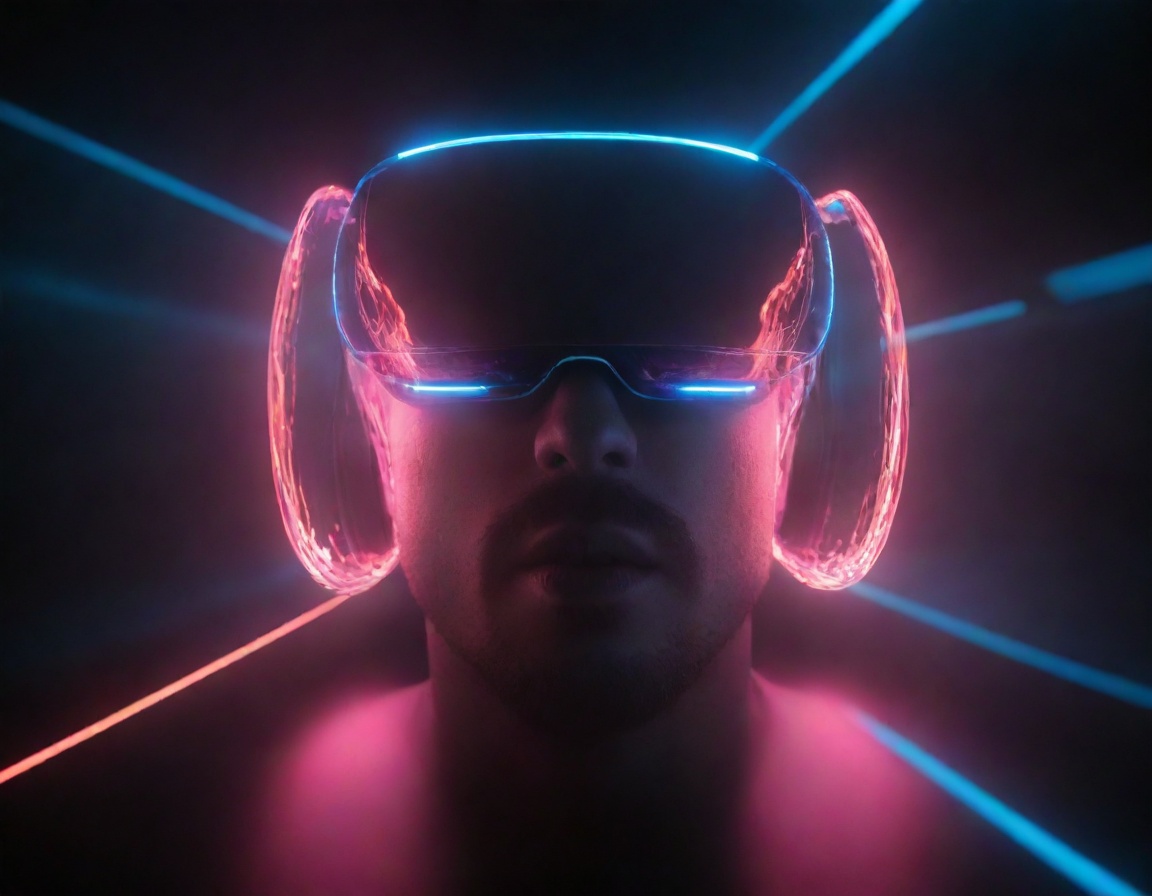
Augmented reality (AR) is a technology that overlays digital information onto the real world, enhancing our perception of reality. Designing cities for AR involves integrating this technology into urban planning, architecture, and infrastructure to create immersive and interactive experiences for citizens. This can include virtual signage, interactive public art, and digital wayfinding systems that provide information and directions.
Imagine walking through a city where buildings and streets are transformed into interactive displays, providing information about local businesses, events, and attractions. AR can also be used to enhance public spaces, such as parks and plazas, by creating interactive exhibits and installations that engage citizens and promote community interaction.
Why it matters
Designing cities for AR has the potential to revolutionize the way we experience and interact with urban spaces. By incorporating AR technology into urban planning, cities can become more livable, sustainable, and engaging. AR can also help to address urban challenges such as traffic congestion, pollution, and social isolation.
For example, AR can be used to create virtual bike lanes, reducing the need for physical infrastructure and promoting sustainable transportation. AR can also be used to create virtual public spaces, providing citizens with access to community resources and services.
Where you’ll see it first
Cities that are already embracing AR technology include Singapore, which has launched a national AR strategy to enhance its urban landscape. Other cities, such as Tokyo and Seoul, are also experimenting with AR technology to create immersive and interactive experiences for citizens.
In the United States, cities such as San Francisco and New York are also exploring the potential of AR technology to enhance urban planning and community engagement. These cities are working with tech companies and urban planners to develop innovative AR solutions that can be scaled up and replicated in other cities.
The trade-offs and worries
While designing cities for AR has the potential to revolutionize urban planning, there are also concerns about the impact of this technology on citizens. For example, there are worries about the potential for AR to create a "digital divide," where citizens who do not have access to AR technology are left behind.
There are also concerns about the potential for AR to be used for surveillance and data collection, raising questions about citizen privacy and data protection. Additionally, there are worries about the potential for AR to create a sense of disconnection and isolation, as citizens become increasingly reliant on digital technology.
What to watch next
As AR technology continues to evolve and improve, we can expect to see more cities embracing this technology to enhance urban planning and community engagement. Some of the key areas to watch include:
* The development of more advanced AR hardware and software, such as augmented reality glasses and smart contact lenses. * The integration of AR technology into urban infrastructure, such as smart buildings and smart streets. * The use of AR technology to enhance public health and safety, such as virtual emergency response systems and virtual crime prevention tools.
Conclusion
Designing cities for AR is a fusion of technology and urban planning that has the potential to revolutionize the way we experience and interact with urban spaces. As this technology continues to evolve and improve, we can expect to see more cities embracing AR to enhance community engagement, sustainability, and livability. The future of urban planning is digital, and it's happening now.