
What it is
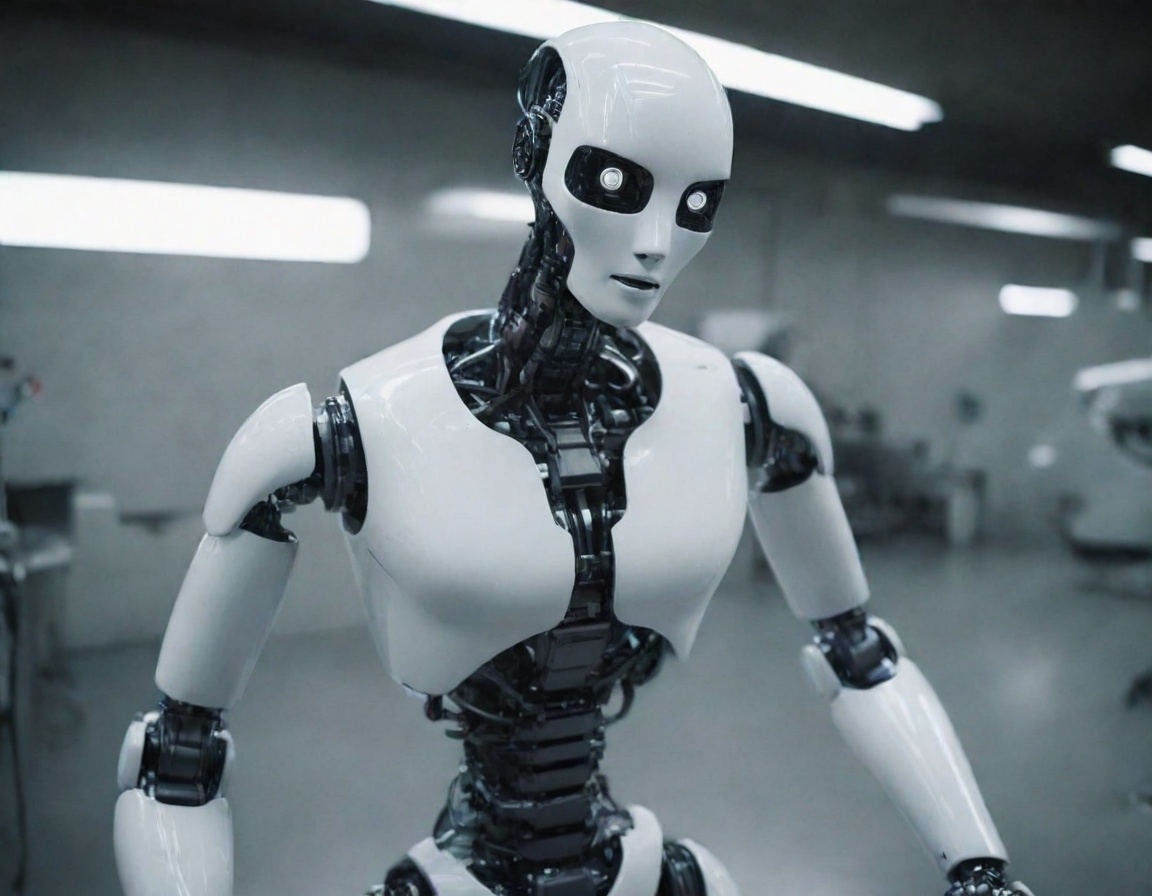
Human-Robot Interaction (HRI) systems are designed to facilitate communication and collaboration between humans and robots. These systems are crucial in various applications, including manufacturing, healthcare, and customer service. HRI systems can take many forms, such as voice assistants, gesture recognition, and touchscreens. The primary goal of HRI systems is to create a seamless and intuitive interface between humans and robots, allowing them to work together efficiently and effectively.
Why it matters
Effective HRI systems are essential in various industries, including manufacturing, healthcare, and customer service. In manufacturing, HRI systems can improve productivity and efficiency by allowing robots to work alongside humans in a collaborative environment. In healthcare, HRI systems can enable robots to assist medical professionals in tasks such as patient care and surgery. In customer service, HRI systems can provide customers with a more personalized and efficient experience.
Where you’ll see it first
HRI systems are already being used in various applications, including:
* Manufacturing: Robots are being used in assembly lines and warehouses to work alongside humans. * Healthcare: Robots are being used in hospitals and clinics to assist medical professionals with tasks such as patient care and surgery. * Customer service: Robots are being used in retail stores and call centers to provide customers with a more personalized and efficient experience. * Education: Robots are being used in classrooms to teach students about science, technology, engineering, and mathematics (STEM) subjects.
The trade-offs and worries
While HRI systems have many benefits, there are also some trade-offs and worries to consider. One of the main concerns is the potential for robots to replace human workers, particularly in industries where robots are being used to perform tasks that were previously done by humans. Another concern is the potential for HRI systems to be used in ways that are not transparent or accountable, such as in surveillance or monitoring applications.
What to watch next
As HRI systems continue to evolve and improve, there are several areas to watch in the coming years. One area to watch is the development of more advanced HRI systems that can learn and adapt to human behavior and preferences. Another area to watch is the use of HRI systems in new and innovative applications, such as in education and entertainment.
Conclusion
As we continue to develop and refine HRI systems, it's clear that the future of human-robot interaction holds much promise and potential. With the ability to collaborate and communicate seamlessly, humans and robots will be able to work together to achieve great things, and the possibilities will be endless.