
What it is
Immersive 3D audio is a technology that simulates the way sound behaves in the real world. It's designed to create a three-dimensional soundscape that surrounds you, making you feel like you're right in the middle of the action. Unlike traditional stereo sound, which only comes from left and right speakers, 3D audio uses advanced algorithms and spatial audio techniques to create a more realistic and engaging listening experience.
Imagine being in a movie theater, surrounded by the sounds of a bustling city or the roar of a dragon in a fantasy movie. That's what immersive 3D audio can do for you. It's not just about the sound quality; it's about the way the sound makes you feel.
Why it matters
Immersive 3D audio has the potential to revolutionize the way we experience entertainment, education, and even communication. It can transport us to new worlds, make us feel more connected to the people and places we care about, and even help us learn new skills in a more engaging and interactive way.
For example, in the field of education, immersive 3D audio can be used to create interactive lessons that make learning more fun and engaging. Students can explore virtual labs, visit historical sites, and even participate in virtual field trips, all while being surrounded by the sights and sounds of the real world.
Where you’ll see it first
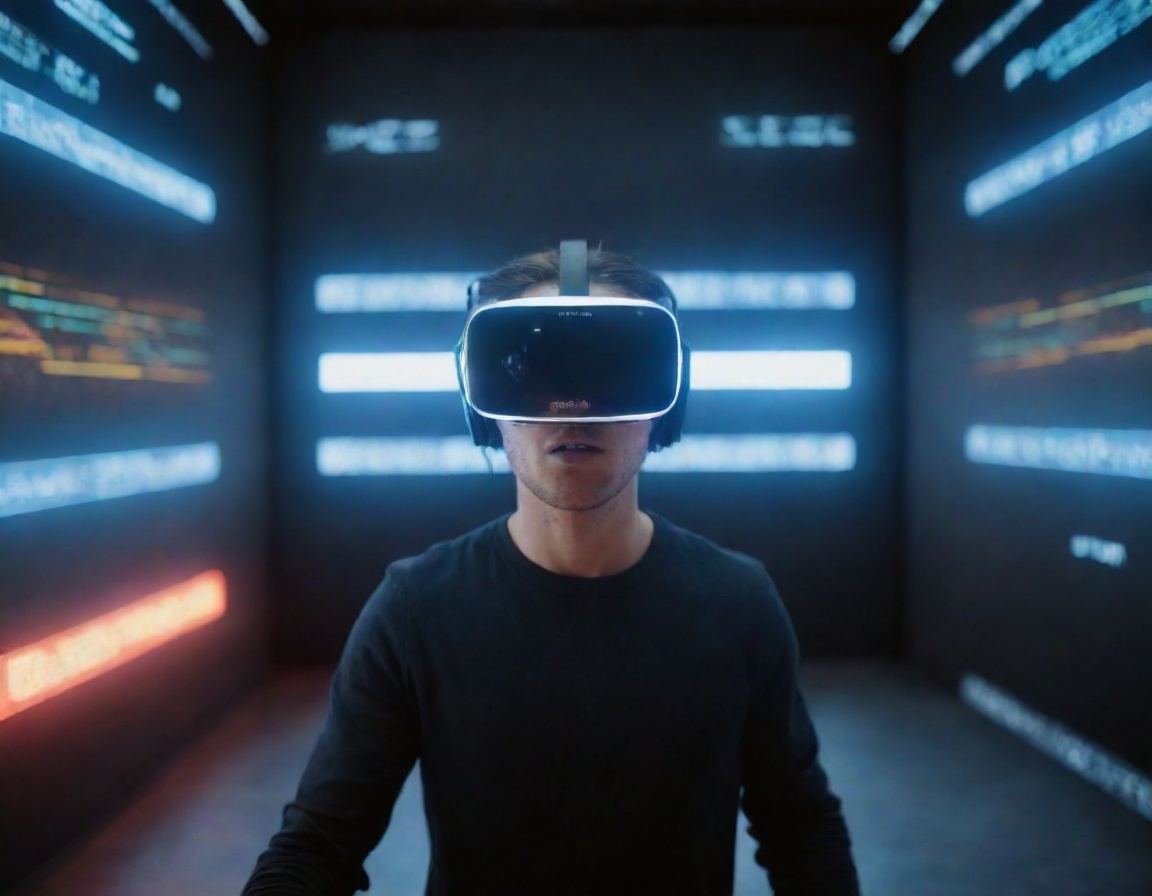
Immersive 3D audio is already being used in a variety of industries, including entertainment, education, and gaming. You can experience it in movie theaters, virtual reality (VR) headsets, and even in some video games.
For example, some movie theaters are now using 3D audio systems that use overhead speakers and special algorithms to create a more immersive listening experience. Some VR headsets also use 3D audio to create a more realistic and engaging experience.
The trade-offs and worries
While immersive 3D audio has the potential to revolutionize the way we experience entertainment and education, there are also some trade-offs and worries to consider.
One of the main concerns is the cost. 3D audio systems can be expensive to set up and maintain, which can make them inaccessible to some people. Additionally, some people may experience discomfort or disorientation when using 3D audio, especially if they are not used to it.
Another concern is the potential for 3D audio to be used in ways that are not beneficial or even harmful. For example, some people may use 3D audio to create immersive experiences that are designed to manipulate or deceive people, rather than to educate or entertain them.
What to watch next
As immersive 3D audio continues to evolve and improve, we can expect to see even more innovative and exciting applications in the future. Some of the things to watch for include:
* More widespread adoption of 3D audio in movie theaters and VR headsets * Increased use of 3D audio in education and training programs * Development of new technologies that can create even more realistic and immersive 3D audio experiences * Exploration of new applications for 3D audio, such as in healthcare and therapy
Conclusion
Immersive 3D audio has the power to transport us to new worlds, make us feel more connected to the people and places we care about, and even help us learn new skills in a more engaging and interactive way. As this technology continues to evolve and improve, we can expect to see even more innovative and exciting applications in the future. And as we step into the immersive world of 3D audio, one thing is clear: the future of sound is here, and it's going to be loud.