
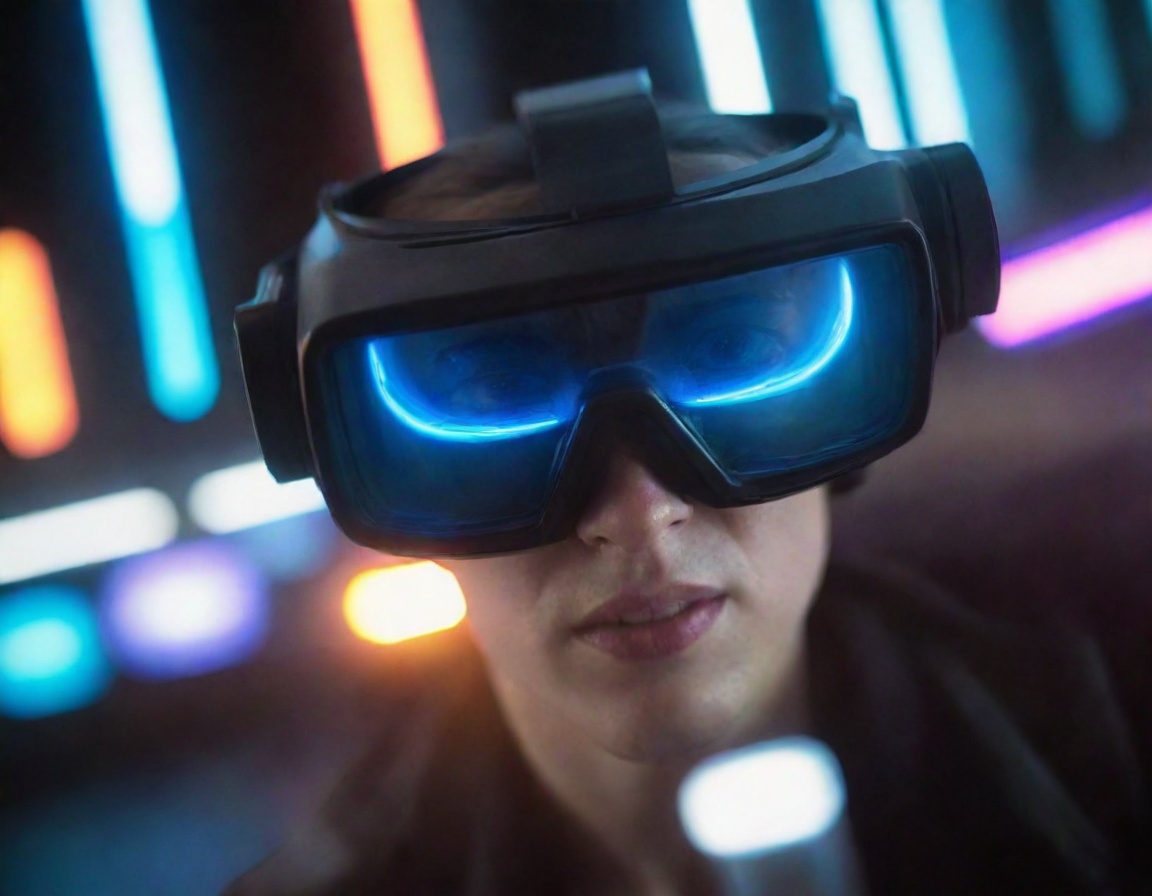
What it is
Immersive spatial interfaces are a type of technology that seamlessly integrates digital information into our physical surroundings. They use a combination of sensors, cameras, and projection systems to create an immersive experience that blurs the lines between the virtual and real worlds. Imagine walking into a room and being surrounded by virtual objects, information, and even people that seem to be an integral part of the space itself.
This technology has the potential to revolutionize the way we interact with our environment, making it more engaging, informative, and even therapeutic. It can be used in a wide range of applications, from education and entertainment to healthcare and architecture.
Why it matters
Immersive spatial interfaces have the power to transform the way we experience and interact with information. They can make complex concepts more accessible and engaging, and provide a more immersive and memorable experience. This technology can also help to bridge the gap between different disciplines and industries, enabling new forms of collaboration and innovation.
For example, in education, immersive spatial interfaces can be used to create interactive and immersive learning experiences that make complex concepts more engaging and easier to understand. In healthcare, they can be used to create virtual environments that help patients relax and recover from surgery or illness.
Where you’ll see it first
Immersive spatial interfaces are already being used in a variety of settings, from museums and art galleries to shopping malls and public spaces. They are also being used in the entertainment industry, where they are being used to create immersive and interactive experiences for movies and video games.
One of the most notable examples of immersive spatial interfaces is the "Infinity Room" by artist team Refik Anadol and Wes Anderson. This installation uses a combination of sensors, cameras, and projection systems to create an immersive and interactive experience that seems to transport viewers to a different world.
The trade-offs and worries
While immersive spatial interfaces have the potential to revolutionize the way we interact with our environment, they also raise a number of concerns and worries. One of the main concerns is the potential for these technologies to be used in ways that are manipulative or deceptive, such as in advertising or propaganda.
Another concern is the potential for these technologies to be used to create immersive and interactive experiences that are so realistic that they blur the lines between reality and fantasy. This can be particularly problematic in areas such as healthcare and education, where the goal is to provide accurate and reliable information.
What to watch next
As immersive spatial interfaces continue to evolve and improve, we can expect to see a wide range of new and innovative applications in the future. Some of the areas to watch include:
* The use of immersive spatial interfaces in healthcare, where they can be used to create virtual environments that help patients relax and recover from surgery or illness. * The use of immersive spatial interfaces in education, where they can be used to create interactive and immersive learning experiences that make complex concepts more engaging and easier to understand. * The use of immersive spatial interfaces in architecture, where they can be used to create virtual models of buildings and spaces that can be used to test and refine designs.
Conclusion
Immersive spatial interfaces have the power to transform the way we experience and interact with our environment, making it more engaging, informative, and even therapeutic. As these technologies continue to evolve and improve, we can expect to see a wide range of new and innovative applications in the future. And as we step into this new world of immersive spatial interfaces, one thing is clear: the future is no longer just in front of us, but all around us.