
What it is
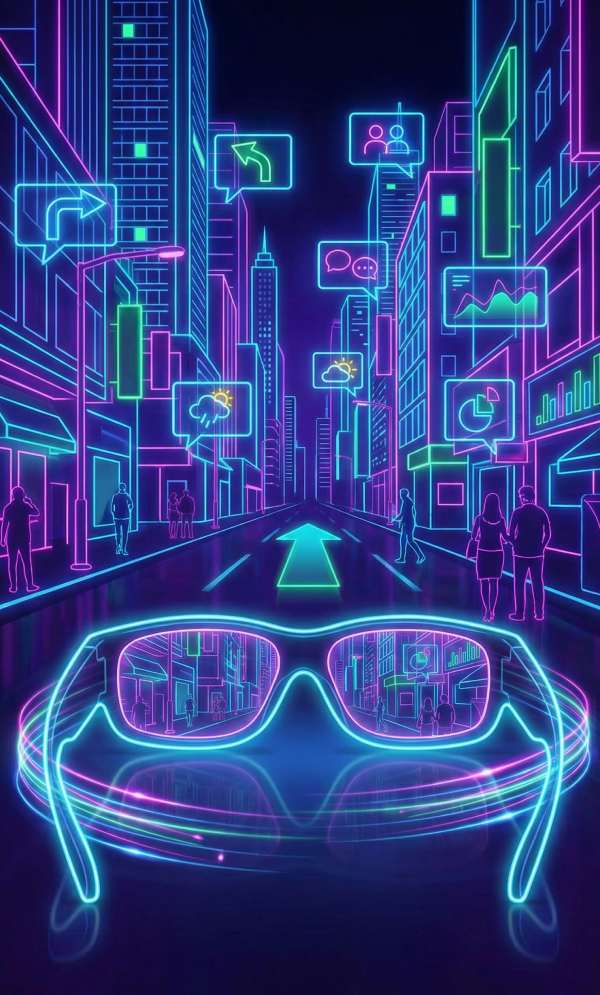
Spatial computing is an emerging field that combines augmented reality (AR), virtual reality (VR), and the Internet of Things (IoT) to create immersive experiences that blur the lines between the physical and digital worlds. Advanced gesture recognition is a key component of spatial computing, enabling users to interact with virtual objects and environments using natural hand and body movements.
Imagine walking into a room and being surrounded by virtual objects that respond to your gestures, or using a pair of AR glasses to control a robot with simple hand movements. These scenarios are becoming increasingly possible thanks to advances in computer vision, machine learning, and sensor technology.
Why it matters
The potential applications of spatial computing and advanced gesture recognition are vast and varied. In fields such as education, healthcare, and entertainment, these technologies can enhance learning, improve patient outcomes, and create new forms of interactive storytelling.
For example, in education, spatial computing can create immersive and interactive learning experiences that make complex concepts more engaging and accessible. In healthcare, advanced gesture recognition can enable patients to control prosthetic limbs or interact with virtual therapy environments in a more natural and intuitive way.
Where you’ll see it first
Spatial computing and advanced gesture recognition are already being used in various industries and applications. In the gaming industry, companies such as Valve and Oculus are using spatial computing to create immersive and interactive gaming experiences.
In the field of education, companies such as Google and Microsoft are developing spatial computing platforms that enable teachers to create interactive and immersive learning experiences. In healthcare, companies such as Medtronic and Intel are using advanced gesture recognition to develop prosthetic limbs and other medical devices.
The trade-offs and worries
While spatial computing and advanced gesture recognition offer many benefits, there are also potential trade-offs and worries to consider. One concern is the potential for these technologies to be used in ways that are invasive or manipulative, such as in advertising or surveillance.
Another concern is the potential for these technologies to exacerbate existing social and economic inequalities, such as by creating new barriers to access or exacerbating existing biases in education and employment.
What to watch next
As spatial computing and advanced gesture recognition continue to evolve, there are several areas to watch in the coming years. One area to watch is the development of more advanced sensor technologies, such as those that can track hand and body movements with greater precision and accuracy.
Another area to watch is the development of more sophisticated machine learning algorithms, such as those that can recognize and respond to complex gestures and movements. Finally, it will be interesting to see how these technologies are used in various industries and applications, and how they are received by users and consumers.
Conclusion
As spatial computing and advanced gesture recognition continue to transform the way we interact with technology, it is clear that these technologies hold immense potential for innovation and progress. With careful consideration of the trade-offs and worries, and a commitment to responsible development and deployment, these technologies can unlock new possibilities for learning, creativity, and connection. The future of spatial computing is here, and it's only just beginning.