
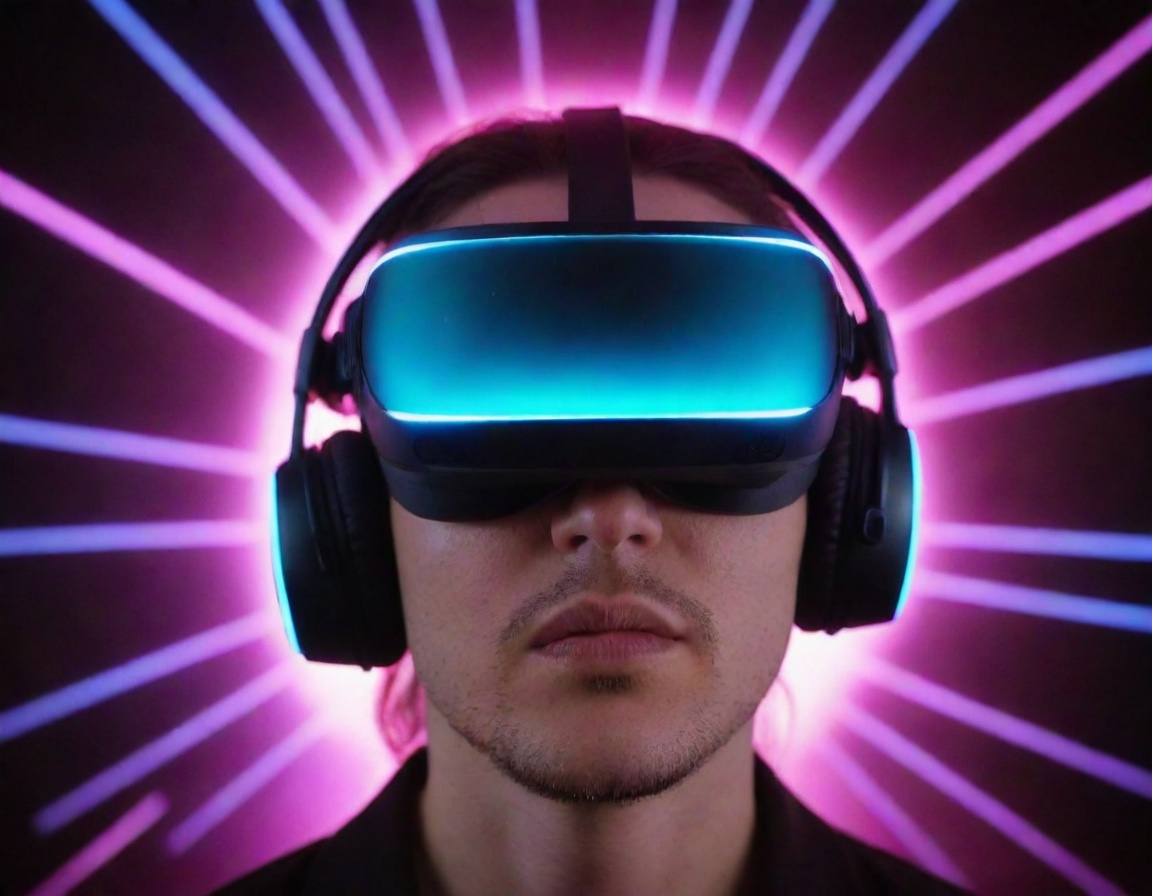
What it is
Spatial audio is a type of audio technology that creates a three-dimensional sound field, allowing listeners to pinpoint the source of sounds in virtual reality (VR) environments. This technology mimics the way our brains process sound in the real world, where we can locate the source of a sound based on its distance, direction, and intensity. By using multiple speakers or audio channels, spatial audio can create a rich and immersive audio experience that draws the listener into the virtual world.
Imagine walking through a virtual forest, where the sound of a babbling brook grows louder as you approach and softer as you move away. Or picture yourself in a virtual concert hall, where the sound of the music seems to come from all directions, creating a sense of depth and space. Spatial audio can achieve these effects and more, revolutionizing the way we experience virtual reality.
Why it matters
Spatial audio matters because it has the potential to revolutionize the way we experience virtual reality. By creating a more immersive and engaging audio experience, spatial audio can draw listeners deeper into the virtual world, increasing their sense of presence and engagement. This can be particularly important in applications such as gaming, education, and therapy, where a more immersive experience can lead to better outcomes and a greater sense of satisfaction.
In addition, spatial audio can also have a significant impact on the way we interact with virtual reality. By creating a more realistic and engaging audio experience, spatial audio can help to reduce the sense of disorientation and confusion that can occur when using VR technology. This can make it easier for people to navigate and interact with virtual environments, leading to a more enjoyable and engaging experience.
Where you’ll see it first
Spatial audio is already being used in a variety of applications, including gaming, film, and music. In the gaming industry, spatial audio is being used to create more immersive and engaging audio experiences, drawing players deeper into the virtual world. In film, spatial audio is being used to create a more realistic and engaging audio experience, drawing viewers deeper into the story.
In music, spatial audio is being used to create a more immersive and engaging audio experience, allowing listeners to pinpoint the source of sounds and instruments in a way that was previously impossible. This can be particularly important in applications such as live concerts and music festivals, where a more immersive audio experience can lead to a greater sense of excitement and engagement.
The trade-offs and worries
While spatial audio has the potential to revolutionize the way we experience virtual reality, there are also some trade-offs and worries to consider. One of the main concerns is the cost of implementing spatial audio technology, which can be significant. This can make it difficult for some applications to adopt spatial audio, particularly in industries where budgets are tight.
Another concern is the complexity of spatial audio technology, which can be difficult to implement and manage. This can require specialized expertise and equipment, which can be a barrier to adoption for some applications.
Finally, there are also some worries about the impact of spatial audio on our brains and bodies. Some research has suggested that prolonged exposure to spatial audio can lead to fatigue and discomfort, particularly in applications such as gaming and film. This is an area that requires further research and study.
What to watch next
As spatial audio continues to evolve and improve, there are several areas to watch in the coming years. One area to watch is the development of more affordable and accessible spatial audio technology, which can make it easier for more applications to adopt this technology.
Another area to watch is the development of new applications for spatial audio, such as virtual reality therapy and education. These applications have the potential to revolutionize the way we experience virtual reality and can lead to better outcomes and a greater sense of satisfaction.
Finally, it will be interesting to see how spatial audio continues to evolve and improve in the coming years, particularly in areas such as gaming, film, and music. As this technology continues to advance, we can expect to see even more immersive and engaging audio experiences that draw us deeper into the virtual world.
Conclusion
As we continue to push the boundaries of virtual reality, spatial audio is an essential technology that can help us create more immersive and engaging experiences. With its ability to simulate real-life soundscapes and pinpoint the source of sounds, spatial audio has the potential to revolutionize the way we experience virtual reality. Whether in gaming, film, music, or other applications, spatial audio is an exciting technology that is worth watching in the coming years.