
What it is
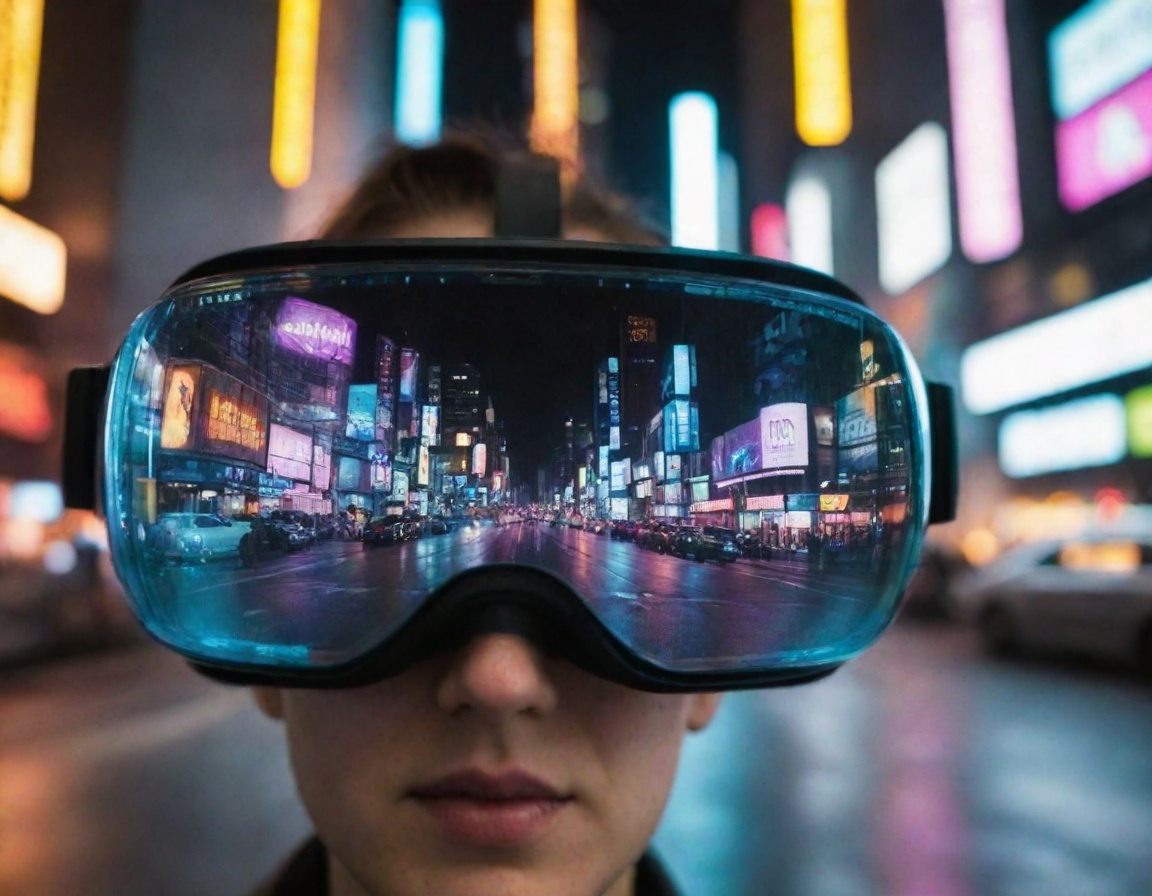
Spatial computing is an emerging field that combines virtual, augmented, and mixed reality (XR) technologies to create immersive and interactive experiences. It's an evolution of the way we interact with digital information, moving beyond traditional screens and interfaces to a more three-dimensional and collaborative environment.
Imagine walking into a virtual room where you can see and interact with 3D models, or attending a virtual conference where you can meet and chat with people from all over the world. Spatial computing makes these experiences possible, blurring the lines between the physical and digital worlds.
Why it matters
Spatial computing has the potential to revolutionize various industries, including education, healthcare, entertainment, and architecture. It can enhance learning experiences, improve patient outcomes, create new forms of entertainment, and enable more efficient design and planning processes.
For example, in education, spatial computing can create interactive and immersive learning environments that make complex concepts more engaging and accessible. In healthcare, it can enable remote consultations and therapy sessions, improving patient care and reducing costs.
Where you’ll see it first
Spatial computing is already being used in various applications, including:
* Virtual reality (VR) headsets, such as Oculus and Vive, which provide immersive experiences for gaming, education, and training. * Augmented reality (AR) glasses, such as Microsoft HoloLens, which overlay digital information onto the physical world. * Mixed reality (MR) platforms, such as Magic Leap, which combine elements of VR and AR to create new types of experiences.
These technologies are being used in various industries, including gaming, education, healthcare, and architecture, to create new and innovative experiences.
The trade-offs and worries
While spatial computing has the potential to revolutionize various industries, it also raises several concerns, including:
* Cost: Spatial computing technologies can be expensive, making them inaccessible to many people. * Accessibility: Spatial computing experiences can be inaccessible to people with disabilities or those who do not have access to the necessary hardware. * Social isolation: Spatial computing can create a sense of social isolation, as people spend more time interacting with digital environments and less time interacting with physical ones.
What to watch next
As spatial computing continues to evolve, we can expect to see new and innovative applications of these technologies. Some areas to watch include:
* Advancements in VR and AR hardware, such as improved resolution and field of view. * Development of new MR platforms that combine elements of VR and AR. * Increased adoption of spatial computing in various industries, including education, healthcare, and entertainment.
Conclusion
Spatial computing is an exciting and rapidly evolving field that has the potential to revolutionize various industries and create new and innovative experiences. As we move forward, it's essential to address the trade-offs and worries associated with these technologies, ensuring that they are accessible and beneficial to all. The future of spatial computing is bright, and it's an exciting time to be a part of it.