
What it is
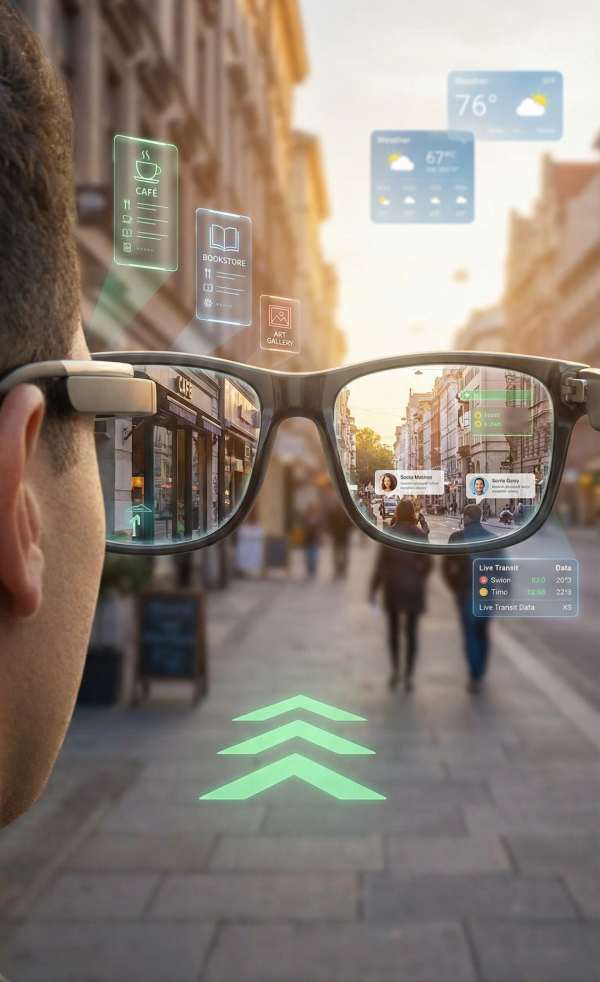
The intersection of Artificial Intelligence (AI) and Extended Reality (XR) is a rapidly evolving field that combines the capabilities of AI with the immersive experiences of XR. XR encompasses Virtual Reality (VR), Augmented Reality (AR), and Mixed Reality (MR), while AI refers to the development of computer systems that can perform tasks that typically require human intelligence. When AI and XR come together, they enable the creation of interactive, intelligent, and dynamic experiences that can simulate real-world environments, objects, and interactions.
In the context of AI and XR, AI algorithms can be used to analyze and understand user behavior, preferences, and emotions, allowing for more personalized and engaging experiences. AI can also be used to generate and modify 3D models, textures, and environments in real-time, creating a seamless and immersive experience for the user. Furthermore, AI can be used to enable natural language processing, allowing users to interact with XR experiences using voice commands or text input.
Why it matters
The intersection of AI and XR has the potential to revolutionize various industries, including entertainment, education, healthcare, and retail. For example, in the entertainment industry, AI-powered XR experiences can create immersive and interactive stories that simulate real-world environments and characters. In education, AI-powered XR experiences can create interactive and engaging learning experiences that simulate real-world scenarios and environments.
In healthcare, AI-powered XR experiences can be used to create personalized and immersive therapy experiences for patients with mental health conditions, such as anxiety disorders or PTSD. In retail, AI-powered XR experiences can be used to create immersive and interactive product demonstrations, allowing customers to try out products in a virtual environment before making a purchase.
Where you’ll see it first
The intersection of AI and XR is already being explored in various industries and applications. For example, in the gaming industry, AI-powered XR experiences are being used to create immersive and interactive games that simulate real-world environments and characters. In the education industry, AI-powered XR experiences are being used to create interactive and engaging learning experiences that simulate real-world scenarios and environments.
In the healthcare industry, AI-powered XR experiences are being used to create personalized and immersive therapy experiences for patients with mental health conditions. In the retail industry, AI-powered XR experiences are being used to create immersive and interactive product demonstrations.
The trade-offs and worries
While the intersection of AI and XR has the potential to revolutionize various industries, there are also trade-offs and worries associated with this technology. For example, the use of AI-powered XR experiences can raise concerns about data privacy and security, as users may be required to provide personal data and biometric information in order to access and interact with these experiences.
Additionally, the use of AI-powered XR experiences can also raise concerns about addiction and social isolation, as users may become increasingly dependent on these experiences and spend more time interacting with virtual environments and characters rather than real-world people and environments.
What to watch next
The intersection of AI and XR is a rapidly evolving field that is expected to continue to grow and develop in the coming years. Some of the key areas to watch in the future include:
* The development of more advanced AI algorithms and machine learning techniques that can be used to create more realistic and immersive XR experiences. * The use of XR experiences in new and innovative ways, such as in education, healthcare, and retail. * The development of more affordable and accessible XR hardware and software that can be used by a wider range of people. * The use of XR experiences to create more personalized and interactive experiences for users, such as through the use of natural language processing and biometric feedback.
Conclusion
The intersection of AI and XR is a rapidly evolving field that has the potential to revolutionize various industries and create new and innovative experiences for users. As this technology continues to grow and develop, it is likely to have a significant impact on the way we live, work, and interact with each other.