
What it is
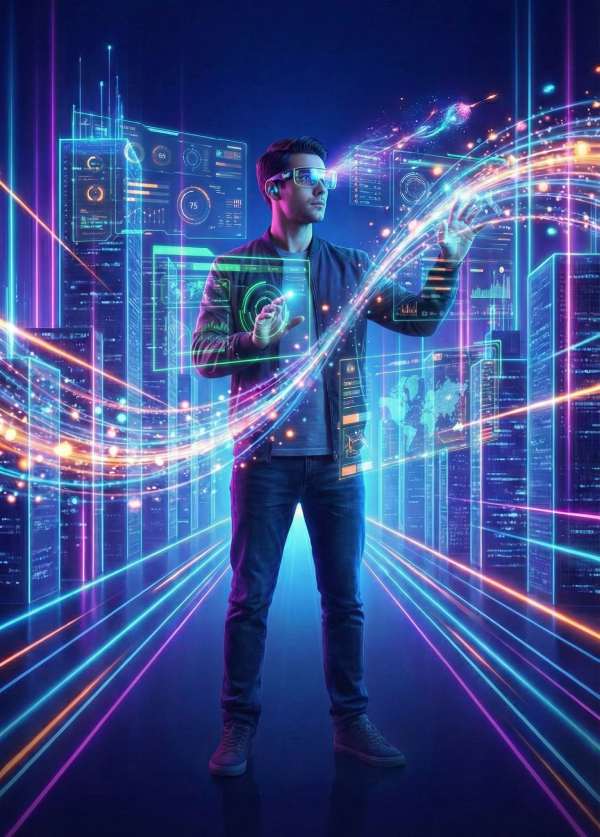
Extended Reality (XR) is a term that encompasses a range of immersive technologies, including Virtual Reality (VR), Augmented Reality (AR), and Mixed Reality (MR). These technologies aim to blur the lines between the physical and digital worlds, creating new and innovative ways for us to interact with information and each other.
At its core, XR is about creating a sense of presence and immersion, whether it's in a virtual environment, a real-world setting with digital overlays, or a combination of both. This can take many forms, from fully immersive VR experiences to more subtle AR enhancements that add digital information to our everyday surroundings.
Why it matters
XR has the potential to revolutionize the way we live, work, and play. It can enhance our education and training experiences, making complex concepts more engaging and accessible. It can also transform the way we interact with each other, whether it's through virtual meetings, social gatherings, or even romantic relationships.
Moreover, XR can have a significant impact on industries such as healthcare, architecture, and manufacturing, where it can be used to create immersive and interactive models, simulations, and prototypes. This can lead to increased efficiency, reduced costs, and improved decision-making.
Where you’ll see it first
You may have already encountered XR in various forms, even if you didn't realize it. For example, you might have used a fitness app that overlays digital information onto your real-world surroundings, or played a game that transported you to a virtual world.
In the future, you can expect to see XR become more ubiquitous in various aspects of life, from entertainment and education to healthcare and retail. It may be used in public spaces, such as museums, galleries, and shopping centers, to create immersive and interactive experiences.
The trade-offs and worries
While XR has the potential to bring many benefits, it also raises some concerns. For instance, excessive use of XR can lead to social isolation, decreased physical activity, and eye strain. Additionally, there are concerns about the impact of XR on mental health, particularly in relation to addiction and escapism.
Furthermore, there are also concerns about the economic and social implications of XR, particularly in relation to job displacement and income inequality. As XR becomes more prevalent, there may be a need for new skills and training programs to ensure that workers are equipped to adapt to changing job markets.
What to watch next
As XR continues to evolve, there are several areas to watch in the coming years. One of the most exciting developments is the integration of XR with other emerging technologies, such as Artificial Intelligence (AI) and the Internet of Things (IoT).
Another area to watch is the development of more affordable and accessible XR hardware and software, which will make it easier for people to create and experience immersive content. Additionally, there will be a growing focus on the social and cultural implications of XR, including issues related to representation, diversity, and inclusion.
Conclusion
As we continue to push the boundaries of what is possible with XR, we must also be mindful of the potential risks and challenges. By embracing the opportunities and addressing the concerns, we can create a future where XR enhances our lives, rather than controls them. The future of XR is bright, and it's up to us to shape it.