
What it is
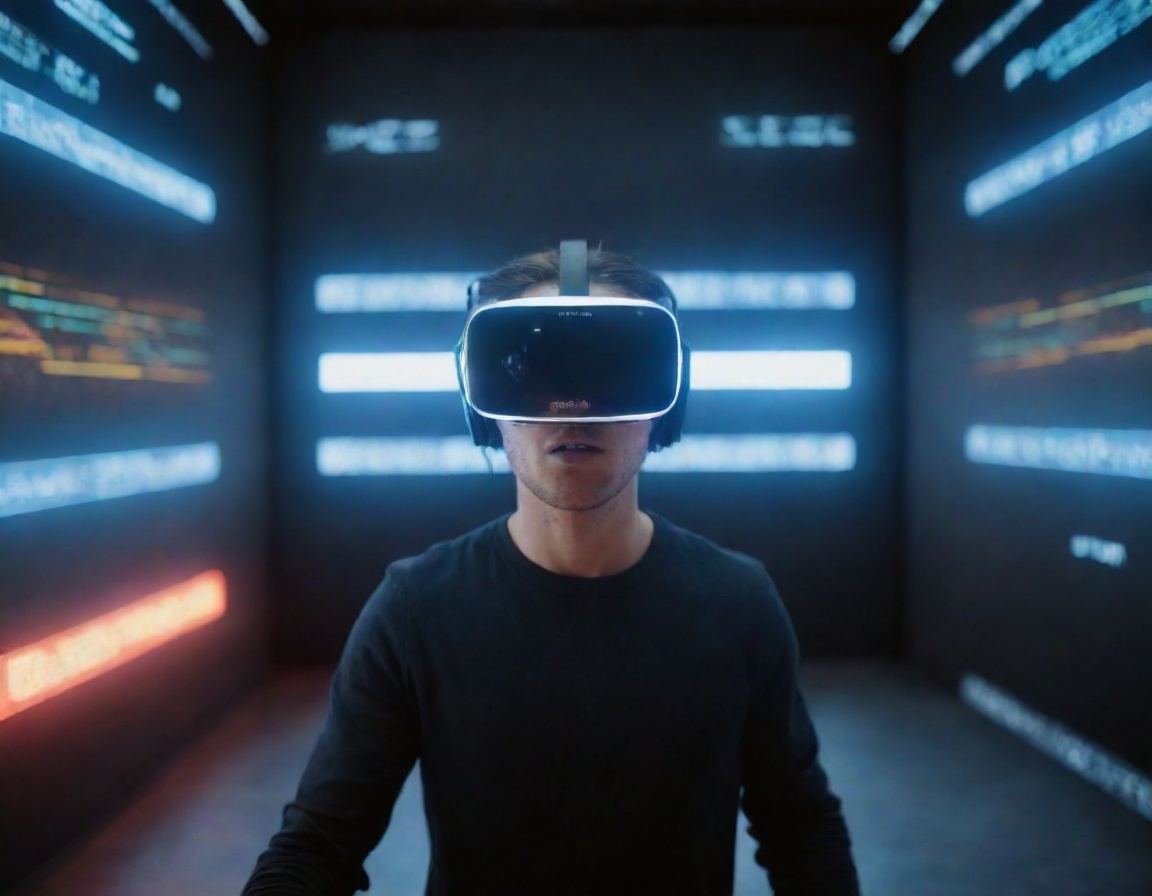
Spatial computing is a revolutionary technology that allows us to interact with and understand the world around us in a more immersive and intuitive way. By combining the power of artificial intelligence, computer vision, and sensor data, spatial computing enables us to create interactive, 3D environments that simulate real-world experiences. This technology has the potential to transform industries such as education, healthcare, and entertainment, and to change the way we live, work, and play.
Imagine being able to walk through a virtual city, exploring its streets and landmarks, and interacting with its inhabitants. Or, picture being able to relive a cherished memory, with all its sights, sounds, and emotions, in vivid detail. Spatial computing makes these experiences possible, and more.
Why it matters
Spatial computing has the potential to revolutionize the way we learn, work, and interact with each other. By creating immersive, interactive environments, we can make complex concepts more accessible and engaging, and help people to retain information more effectively. In education, spatial computing can be used to create interactive simulations, virtual labs, and 3D models that bring abstract concepts to life.
In healthcare, spatial computing can be used to create personalized, interactive treatment plans, and to help patients to better understand their conditions and treatments. In entertainment, spatial computing can be used to create immersive, interactive experiences that simulate real-world environments, and to allow people to interact with each other in new and innovative ways.
Where you’ll see it first
Spatial computing is already being used in a variety of applications, from gaming and entertainment to education and healthcare. You may have already experienced spatial computing in the form of virtual reality (VR) or augmented reality (AR) experiences, such as playing a VR game or using an AR app to decorate your living room.
However, spatial computing is still in its early stages, and we can expect to see many more innovative applications of this technology in the years to come. As the technology continues to evolve, we can expect to see spatial computing being used in a wide range of industries, from architecture and urban planning to art and design.
The trade-offs and worries
While spatial computing has the potential to revolutionize many industries, it also raises a number of concerns and trade-offs. One of the main concerns is the potential for spatial computing to be used in ways that are manipulative or deceptive, such as in the creation of fake or misleading virtual environments.
Another concern is the potential for spatial computing to exacerbate existing social and economic inequalities, by providing unequal access to immersive, interactive experiences. Finally, there is also a concern about the potential impact of spatial computing on our mental and physical health, particularly if we spend too much time interacting with virtual environments.
What to watch next
As spatial computing continues to evolve, we can expect to see many new and innovative applications of this technology. Some of the areas to watch include:
* The development of more advanced sensors and tracking technologies, which will enable more accurate and immersive spatial computing experiences. * The creation of more sophisticated AI algorithms, which will enable spatial computing systems to better understand and respond to user behavior. * The development of new business models and revenue streams, which will enable companies to profit from spatial computing experiences. * The exploration of new use cases and applications, such as in education, healthcare, and art.
Conclusion
Spatial computing is a revolutionary technology that has the potential to transform many industries and change the way we live, work, and play. As this technology continues to evolve, we can expect to see many new and innovative applications, and to experience the world in ways that were previously unimaginable. The future of spatial computing is bright, and it's exciting to think about what's possible.