
What it is
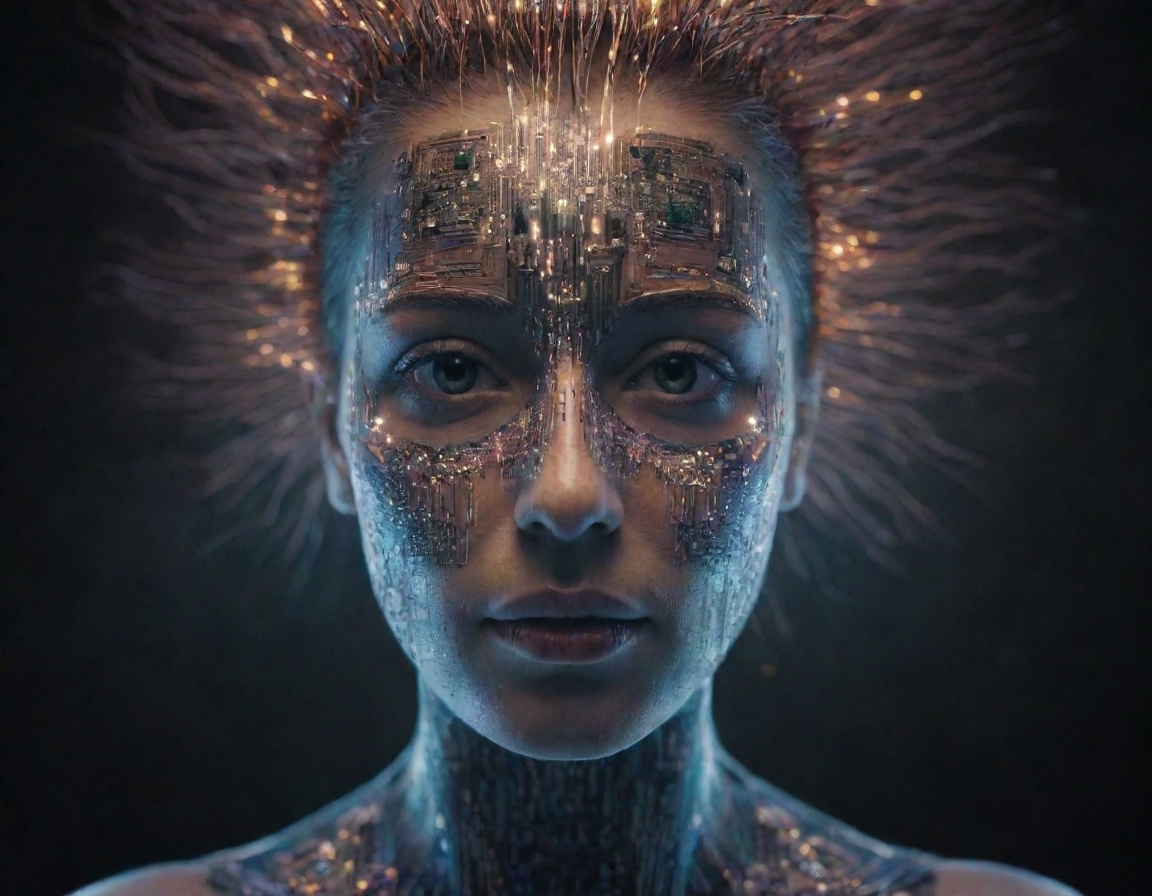
Artificial intelligence (AI) has long been fascinated by the complexities of human emotions. While emotions are an essential part of being human, they can be difficult to understand and analyze. AI systems, however, can help bridge this gap by providing insights into emotional patterns, behaviors, and responses. By leveraging machine learning algorithms and natural language processing (NLP), AI can analyze vast amounts of data, including text, speech, and physiological signals, to identify emotional cues and patterns.
Why it matters
Understanding human emotions is crucial for various aspects of life, including personal relationships, mental health, and decision-making. Emotions play a significant role in shaping our experiences, influencing our behavior, and driving our choices. By gaining a deeper understanding of emotions, we can develop more effective strategies for managing stress, improving communication, and fostering empathy. AI can help us achieve this by providing a more nuanced and accurate understanding of emotional dynamics.
Where you’ll see it first
The applications of AI in understanding human emotions are diverse and widespread. In the field of mental health, AI-powered chatbots and virtual assistants can help individuals identify and manage emotional distress. In education, AI can analyze student data to identify emotional patterns and provide personalized support. In the workplace, AI can help managers and leaders develop more effective strategies for employee engagement and well-being.
The trade-offs and worries
While AI has the potential to revolutionize our understanding of human emotions, there are also concerns about its limitations and potential misuse. For instance, AI systems may struggle to understand the nuances of human emotions, particularly in situations where emotions are complex or ambiguous. Additionally, there is a risk that AI-powered emotional analysis could be used to manipulate or control individuals, rather than empower them. As with any technology, it is essential to approach AI with caution and consider the potential consequences of its use.
What to watch next
As AI continues to evolve and improve, we can expect to see even more innovative applications in the field of emotional understanding. Some potential areas to watch include:
* **Emotional intelligence training**: AI-powered systems that can help individuals develop emotional intelligence and empathy. * **Mental health support**: AI-powered chatbots and virtual assistants that can provide personalized support for mental health issues. * **Emotional analysis in education**: AI-powered systems that can analyze student data to identify emotional patterns and provide personalized support.
Conclusion
As we continue to explore the frontiers of AI and human emotions, one thing is clear: the future of emotional understanding is bright, and it's going to be shaped by the incredible potential of artificial intelligence.