
What it is
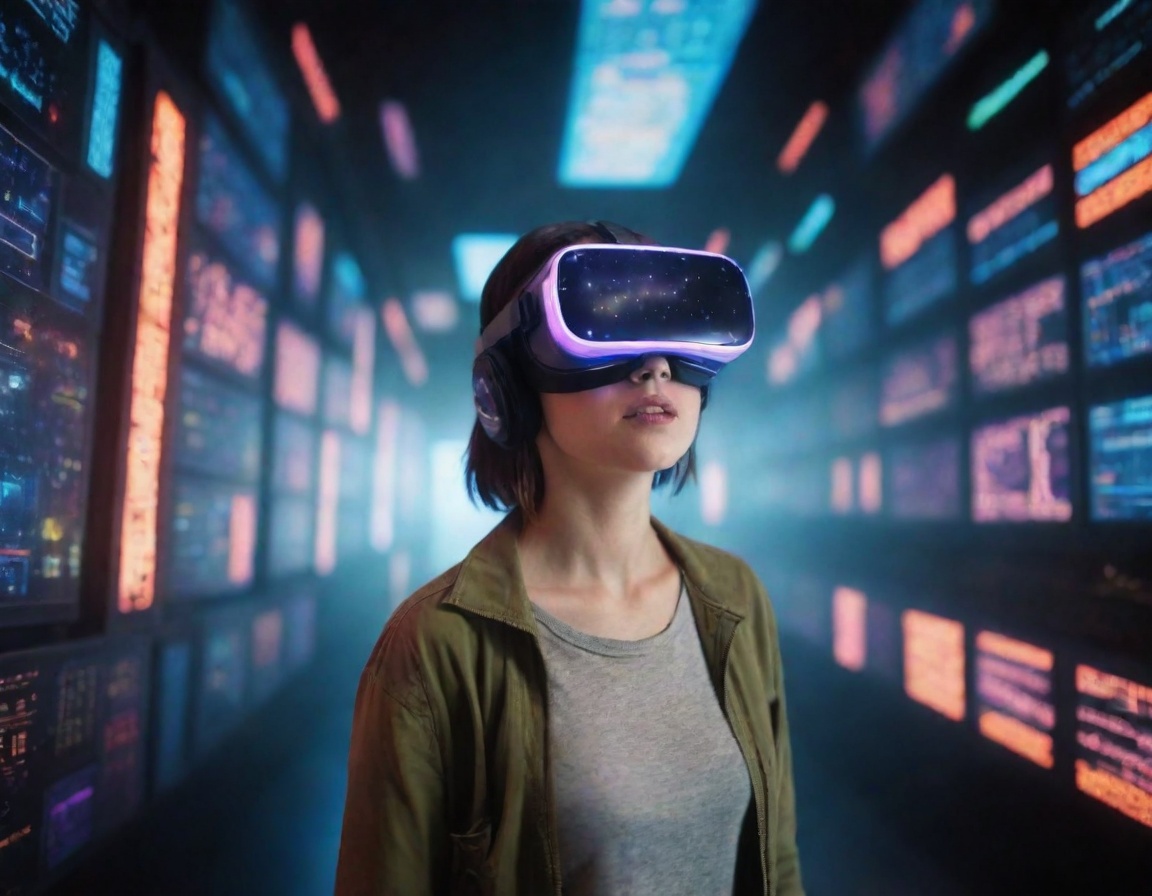
Spatial computing is an emerging field that combines virtual reality (VR), augmented reality (AR), and artificial intelligence (AI) to create immersive and interactive experiences. Imagine stepping into a virtual world where you can explore, interact, and influence the environment in a way that feels almost indistinguishable from reality. This is the promise of spatial computing, where the boundaries between the physical and digital worlds begin to blur.
In this new paradigm, stories are no longer confined to a screen or a page. Instead, they unfold around you, engaging your senses and drawing you into a world of wonder and discovery. Spatial computing enables creators to craft immersive experiences that are both entertaining and educational, making learning a more engaging and memorable process.
Why it matters
Immersive storytelling has the power to captivate and inspire audiences in ways that traditional media cannot. By transporting us to new and fantastical worlds, spatial computing can evoke emotions, spark imagination, and foster empathy. This technology has the potential to revolutionize the way we experience stories, making them more engaging, interactive, and memorable.
Moreover, spatial computing can be used to create immersive experiences that are tailored to individual preferences and needs. For example, a museum visitor can use a spatial computing app to explore a virtual exhibit, receiving personalized information and insights that enhance their understanding of the artwork. This level of customization and interactivity can make learning a more enjoyable and effective process.
Where you’ll see it first
Spatial computing is already being used in various industries, including entertainment, education, and healthcare. In the entertainment sector, spatial computing is being used to create immersive experiences for movies, video games, and theme park attractions. For example, the popular movie franchise "Star Wars" has used spatial computing to create immersive experiences that allow fans to step into the world of the film.
In the education sector, spatial computing is being used to create interactive and engaging learning experiences. For example, a spatial computing app can be used to create a virtual lab where students can conduct experiments and investigations in a safe and controlled environment.
The trade-offs and worries
While spatial computing has the potential to revolutionize the way we experience stories, there are also concerns about its impact on our mental and physical health. For example, excessive use of spatial computing can lead to eye strain, headaches, and other physical symptoms. Moreover, the immersive nature of spatial computing can also lead to social isolation and decreased attention span.
Additionally, there are concerns about the impact of spatial computing on our sense of reality. As we become more accustomed to interacting with virtual environments, we may begin to lose touch with the physical world around us. This can have serious consequences for our mental and physical health, as well as our relationships with others.
What to watch next
As spatial computing continues to evolve, we can expect to see even more innovative and immersive experiences. For example, researchers are already exploring the use of spatial computing in therapy and treatment for mental health conditions such as anxiety and depression. This technology has the potential to revolutionize the way we approach mental health, making treatment more accessible and effective.
Moreover, spatial computing is also being used to create immersive experiences for people with disabilities. For example, a spatial computing app can be used to create a virtual environment that allows people with mobility impairments to explore and interact with their surroundings in a way that is not possible in the physical world.
Conclusion
As we step into the world of spatial computing, we are entering a new era of immersive storytelling that has the power to captivate, inspire, and transform us. With its ability to combine virtual reality, augmented reality, and artificial intelligence, spatial computing is revolutionizing the way we experience stories, making them more engaging, interactive, and memorable. As we continue to explore the possibilities of this technology, we can expect to see even more innovative and immersive experiences that will change the way we live, learn, and interact with the world around us.