
What it is
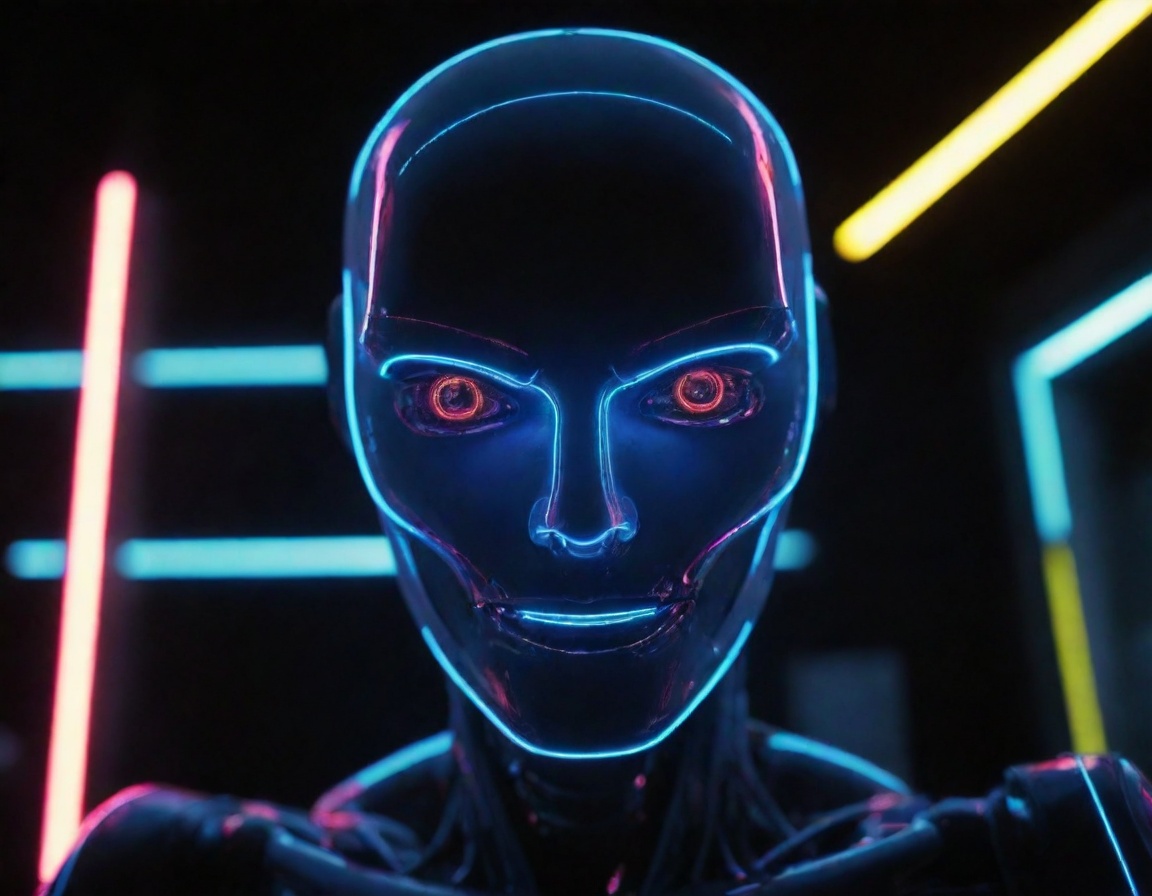
Robotics programming is the art of instructing machines to perform complex tasks and interact with their environment. It's a multidisciplinary field that combines computer science, engineering, and mathematics to create intelligent systems that can adapt and learn from their surroundings.
Imagine a world where robots can navigate through crowded spaces, recognize and respond to human emotions, and perform tasks with precision and speed. This is the world of robotics programming, where machines are not just tools, but partners that can enhance our lives and improve our productivity.
Why it matters
Robotics programming has far-reaching implications for various industries, including healthcare, manufacturing, transportation, and education. It has the potential to revolutionize the way we live and work, making our lives easier, safer, and more efficient.
For instance, robots can assist surgeons during operations, helping to reduce recovery times and improve patient outcomes. In manufacturing, robots can work alongside humans, increasing productivity and reducing the risk of accidents. In transportation, self-driving cars can reduce traffic congestion and improve road safety.
Where you’ll see it first
Robotics programming is already being used in various applications, from industrial robots that assemble cars to service robots that assist the elderly. You may have seen robots in action in warehouses, hospitals, or even in your own home.
For example, robots are being used in hospitals to deliver medication, take vital signs, and even perform surgeries. In warehouses, robots are being used to pick and pack orders, increasing efficiency and reducing labor costs. In homes, robots are being used to clean floors, do laundry, and even cook meals.
The trade-offs and worries
While robotics programming has many benefits, it also raises concerns about job displacement, safety, and security. As robots become more advanced, there is a risk that they may replace human workers, leading to unemployment and social unrest.
Additionally, there are concerns about the safety and security of robots, particularly in situations where they may be used for malicious purposes. For example, a robot could be used to hack into a computer system or even cause physical harm to humans.
What to watch next
As robotics programming continues to evolve, we can expect to see even more advanced applications in the future. Some of the areas to watch include:
* Artificial intelligence: As robots become more intelligent, they will be able to learn and adapt to new situations, making them even more useful and efficient. * Human-robot interaction: As robots become more advanced, they will be able to interact with humans in more natural and intuitive ways, making them more accessible and user-friendly. * Robotics in education: As robots become more affordable and accessible, they will be used in educational settings to teach children and adults about science, technology, engineering, and mathematics (STEM) concepts.
Conclusion
Robotics programming is a rapidly evolving field that has the potential to revolutionize the way we live and work. As machines become more intelligent and advanced, they will be able to perform complex tasks and interact with their environment in more natural and intuitive ways. The future of robotics programming is bright, and it will be exciting to see how it continues to shape our world.