
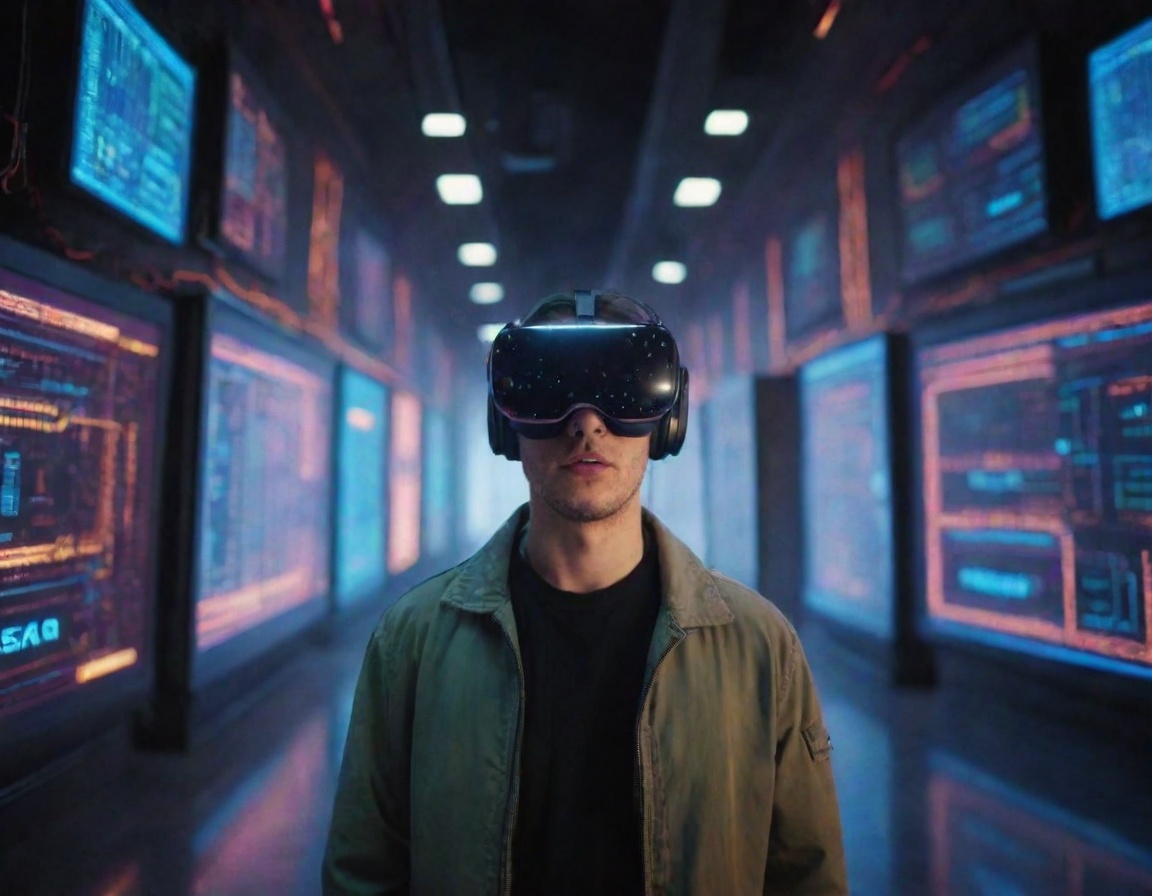
What it is
XR stands for Extended Reality, a broad term encompassing various technologies that blur the lines between the physical and digital worlds. At its core, XR aims to create immersive experiences that transport users into new dimensions, whether it's through virtual reality (VR), augmented reality (AR), or mixed reality (MR).
Imagine stepping into a virtual world where you can explore fantastical landscapes, interact with virtual objects, or even step into a character's shoes. This is the realm of XR, where the boundaries between reality and fantasy dissolve, and the possibilities are endless.
Why it matters
XR has the potential to revolutionize the way we live, work, and play. From education and training to entertainment and healthcare, XR can provide unparalleled levels of engagement, interactivity, and immersion. Imagine being able to learn complex concepts through interactive simulations, or to practice surgical procedures in a safe and controlled environment.
Moreover, XR can also have a significant impact on the way we interact with each other and with the world around us. By creating shared virtual spaces, XR can bring people together, foster global connections, and promote a sense of community and belonging.
Where you’ll see it first
XR is already being used in various industries and applications, from gaming and entertainment to education and healthcare. You may have already experienced XR in some form, whether it's through a VR headset, an AR app, or a MR experience.
For example, in the gaming industry, XR is being used to create immersive and interactive experiences that transport players into new worlds. In education, XR is being used to create interactive simulations and virtual labs that make learning more engaging and effective.
The trade-offs and worries
While XR has the potential to revolutionize various industries and applications, it also raises several concerns and trade-offs. For instance, XR can be expensive and inaccessible to many people, particularly in developing countries or in areas with limited access to technology.
Moreover, XR can also have negative effects on mental and physical health, particularly if used excessively or inappropriately. For example, VR can cause eye strain, headaches, and other physical symptoms, while excessive use of XR can lead to addiction, social isolation, and decreased physical activity.
What to watch next
As XR continues to evolve and mature, we can expect to see new and innovative applications of this technology. For instance, we may see the development of more advanced VR and AR headsets, as well as the creation of new platforms and ecosystems for XR content.
We may also see the emergence of new business models and revenue streams for XR, such as subscription-based services, in-app purchases, and advertising. Additionally, we may see the development of new standards and regulations for XR, such as guidelines for content creation, user safety, and data protection.
Conclusion
As we embark on this journey into the world of XR, we are faced with a multitude of possibilities, challenges, and uncertainties. But one thing is clear: XR has the potential to revolutionize the way we live, work, and play, and to create new and immersive experiences that transport us into new dimensions. So, buckle up, and get ready to enter the world of XR – it's going to be a wild ride!