
What it is
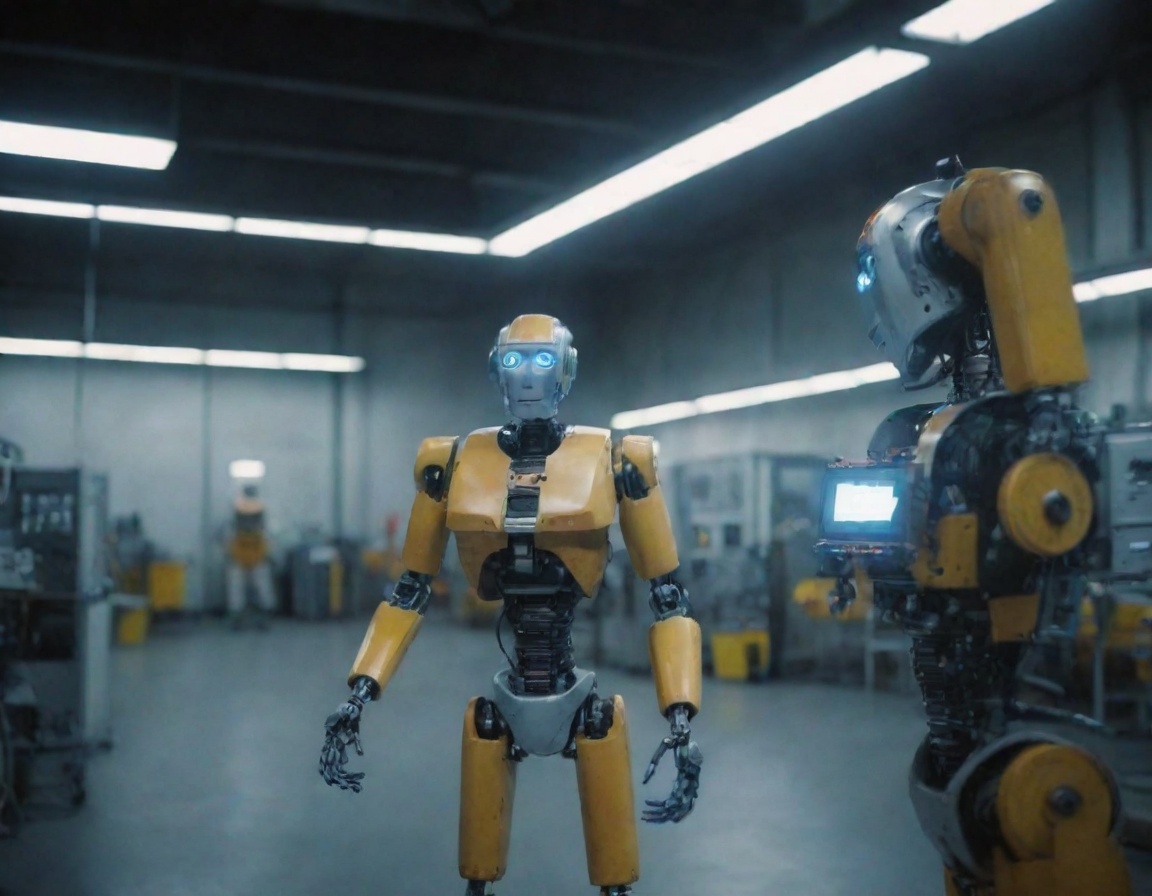
Service robots are intelligent machines designed to assist humans in various aspects of daily life, from household chores to healthcare and beyond. These robots are equipped with advanced sensors, navigation systems, and artificial intelligence (AI) capabilities, enabling them to perform tasks autonomously and interact with their environment in a seamless manner.
Imagine a world where your household chores are taken care of by a robot, freeing up your time to focus on more important things. Service robots can do just that, from cleaning and cooking to laundry and gardening. They can even assist with tasks like grocery shopping and package delivery, making life easier and more convenient for people of all ages.
Why it matters
The rise of service robots has significant implications for various aspects of society, including healthcare, education, and the economy. For instance, robots can assist healthcare professionals with tasks like patient care, medication management, and rehabilitation, freeing up time for more complex and high-value tasks. In education, robots can serve as interactive learning tools, making complex concepts more engaging and accessible for students.
Moreover, service robots can help address the growing need for elder care and social support, particularly in regions with aging populations. By providing companionship, assistance, and social interaction, robots can help alleviate the burden on caregivers and improve the quality of life for seniors.
Where you’ll see it first
Service robots are already being deployed in various settings, including:
* **Homes**: Robots like Roomba and Neato are popular household cleaning assistants, while robots like June and Moley are designed for cooking and meal preparation. * **Healthcare facilities**: Robots like Robear and T-HR3 are being used for patient care and rehabilitation, while robots like Pepper and Sophia are serving as companions and social support tools. * **Retail stores**: Robots like Shopify and Fetch Robotics are being used for inventory management and package delivery, while robots like Kuri and Jibo are serving as customer service assistants.
The trade-offs and worries
While service robots offer many benefits, there are also concerns about their impact on employment, social interaction, and personal data security. For instance, the rise of robots in the workforce could lead to job displacement and social isolation, particularly for low-skilled workers.
Moreover, the increasing reliance on robots for daily tasks could lead to a loss of human skills and expertise, particularly in areas like problem-solving and critical thinking. Additionally, the collection and storage of personal data by robots raises concerns about data security and privacy.
What to watch next
As service robots continue to evolve and improve, we can expect to see new applications and innovations in areas like:
* **Autonomous delivery**: Robots like Nuro and Robby are being developed for autonomous delivery of goods and services, promising to revolutionize the way we shop and receive packages. * **Social robots**: Robots like Jibo and Kuri are being designed to serve as companions and social support tools, helping to alleviate loneliness and isolation in seniors and others. * **Healthcare robots**: Robots like Robear and T-HR3 are being developed for patient care and rehabilitation, promising to improve outcomes and reduce costs in healthcare.
Conclusion
The rise of service robots is transforming daily life in profound ways, offering enhanced efficiency, convenience, and social interaction. As these robots continue to evolve and improve, we can expect to see new applications and innovations that will further revolutionize the way we live, work, and interact with one another.