
What it is
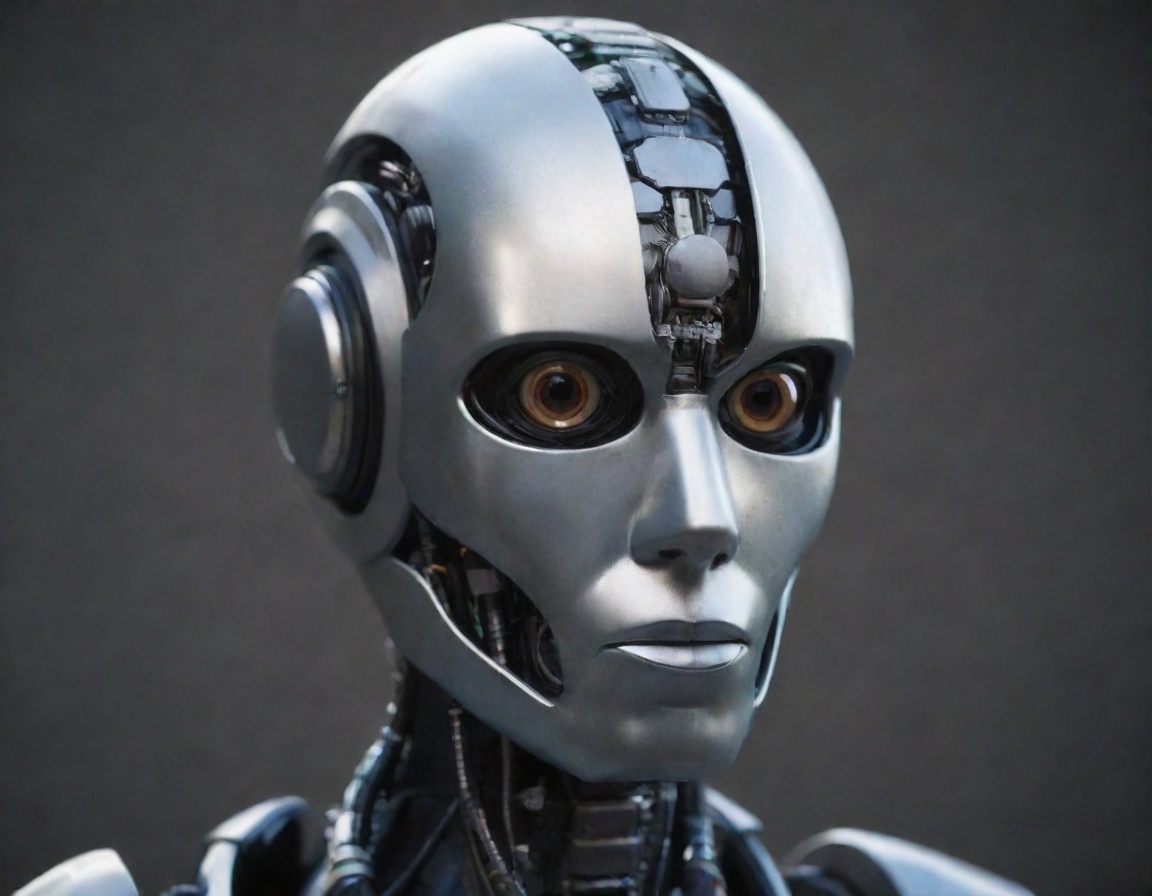
Robotics in everyday life refers to the integration of robots and artificial intelligence (AI) into our daily routines, making our lives easier, safer, and more enjoyable. From simple household chores to complex industrial tasks, robots are becoming an integral part of our world. They can be found in various forms, such as vacuum cleaners, lawnmowers, and even personal assistants like Amazon's Echo and Google Home.
These robots use sensors, algorithms, and machine learning to navigate and interact with their environment, often in a way that's both efficient and intuitive. For instance, a robot vacuum cleaner can map out a room, avoid obstacles, and clean the floor with minimal human intervention. Similarly, a robotic lawnmower can cut grass, edge sidewalks, and even return to its charging station when its battery runs low.
Why it matters
The impact of robotics in everyday life is multifaceted and far-reaching. On one hand, robots can free up human time and energy, allowing us to focus on more creative, intellectual, or social pursuits. On the other hand, they can also improve our safety and well-being by performing tasks that are hazardous, repetitive, or physically demanding.
For example, robots can be used in healthcare to assist with patient care, such as helping with mobility, feeding, or even providing emotional support. They can also be used in manufacturing to improve productivity, quality, and efficiency, leading to better products and services.
Where you’ll see it first
You'll likely see robotics in everyday life in various settings, such as:
* Homes: Robot vacuum cleaners, lawnmowers, and personal assistants are becoming increasingly common in households. * Offices: Robots can be used to automate tasks, such as data entry, bookkeeping, and even customer service. * Hospitals: Robots can assist with patient care, such as transporting medication, supplies, and even providing emotional support. * Factories: Robots can be used to improve productivity, quality, and efficiency in manufacturing processes.
The trade-offs and worries
While robotics in everyday life offers many benefits, there are also some trade-offs and worries to consider. For instance:
* Job displacement: As robots take over tasks, there's a risk of job displacement for human workers. * Dependence on technology: Over-reliance on robots can lead to a loss of basic skills and a decrease in human interaction. * Safety and security: Robots can pose a risk to human safety and security if they malfunction or are hacked.
What to watch next
As robotics in everyday life continues to evolve, we can expect to see:
* Increased use of AI and machine learning in robots to improve their performance and adaptability. * Development of more advanced sensors and navigation systems to enable robots to interact with their environment more effectively. * Integration of robots with other technologies, such as the Internet of Things (IoT) and 5G networks, to create more seamless and connected experiences.
Conclusion
As we navigate the world of robotics in everyday life, it's clear that the future is bright, but also complex. As we continue to integrate robots and AI into our daily routines, we must be mindful of the trade-offs and worries that come with it. By doing so, we can harness the full potential of robotics to create a better, safer, and more enjoyable world for all.