
What it is
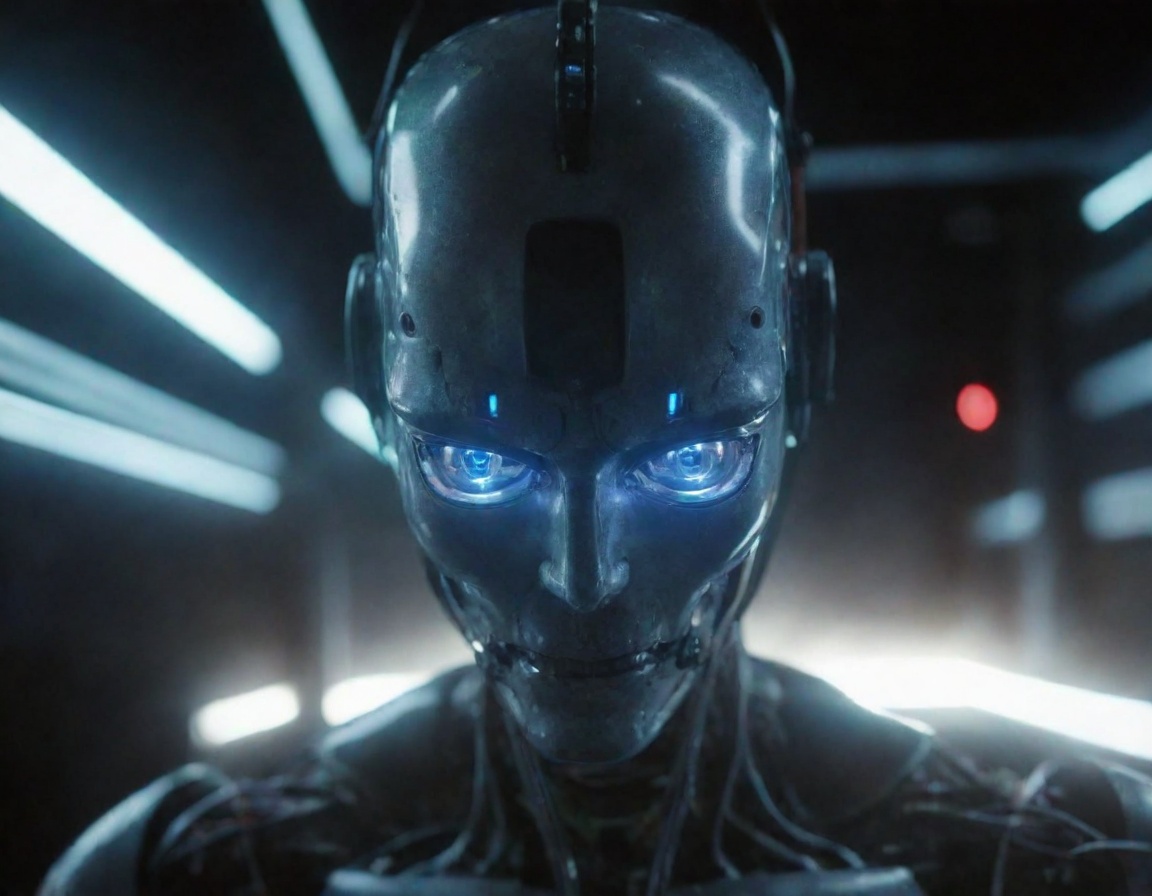
Robotics is the branch of engineering that deals with the design, construction, and operation of robots. These machines are programmed to perform specific tasks, often in a repetitive or hazardous environment, freeing humans from such duties. Robots can be as simple as a vacuum cleaner or as complex as a humanoid machine, and they can be found in various industries, including manufacturing, healthcare, and service sectors.
Robots can be categorized into several types, including:
* Industrial robots: used in manufacturing and assembly lines * Service robots: used in healthcare, hospitality, and customer service * Autonomous robots: capable of navigating and completing tasks without human intervention * Social robots: designed to interact with humans and provide companionship
Why it matters
Robotics has the potential to revolutionize various aspects of our lives, from increasing productivity and efficiency to improving safety and quality of life. By automating tasks, robots can free humans from mundane and hazardous work, allowing us to focus on more creative and intellectual pursuits. Additionally, robots can assist in areas such as healthcare, education, and environmental conservation, making a significant impact on society.
Where you’ll see it first
You may encounter robots in various settings, including:
* Manufacturing plants: where robots are used to assemble and inspect products * Hospitals: where robots assist with patient care and rehabilitation * Retail stores: where robots help with inventory management and customer service * Homes: where robots are used for cleaning, cooking, and companionship * Public spaces: where robots are used for maintenance, security, and entertainment
The trade-offs and worries
While robotics has the potential to bring numerous benefits, there are also concerns and trade-offs to consider. Some of these include:
* Job displacement: as robots take over tasks, there is a risk of job loss for humans * Safety and security: robots can pose a risk to humans if not designed or programmed properly * Dependence on technology: over-reliance on robots can lead to a loss of human skills and abilities * Ethics and accountability: as robots become more autonomous, there are questions about who is responsible for their actions
What to watch next
As robotics continues to evolve, we can expect to see:
* Increased use of artificial intelligence and machine learning in robotics * Development of more advanced and sophisticated robots * Integration of robots with other technologies, such as the Internet of Things (IoT) * Greater emphasis on robotics education and training * Expansion of robotics into new industries and applications
Conclusion
As we navigate the intersection of technology and everyday life, robotics will play an increasingly important role. By understanding the opportunities and challenges presented by robotics, we can harness its potential to create a better future for all. The future is robotic, and it's coming for us.