
What it is
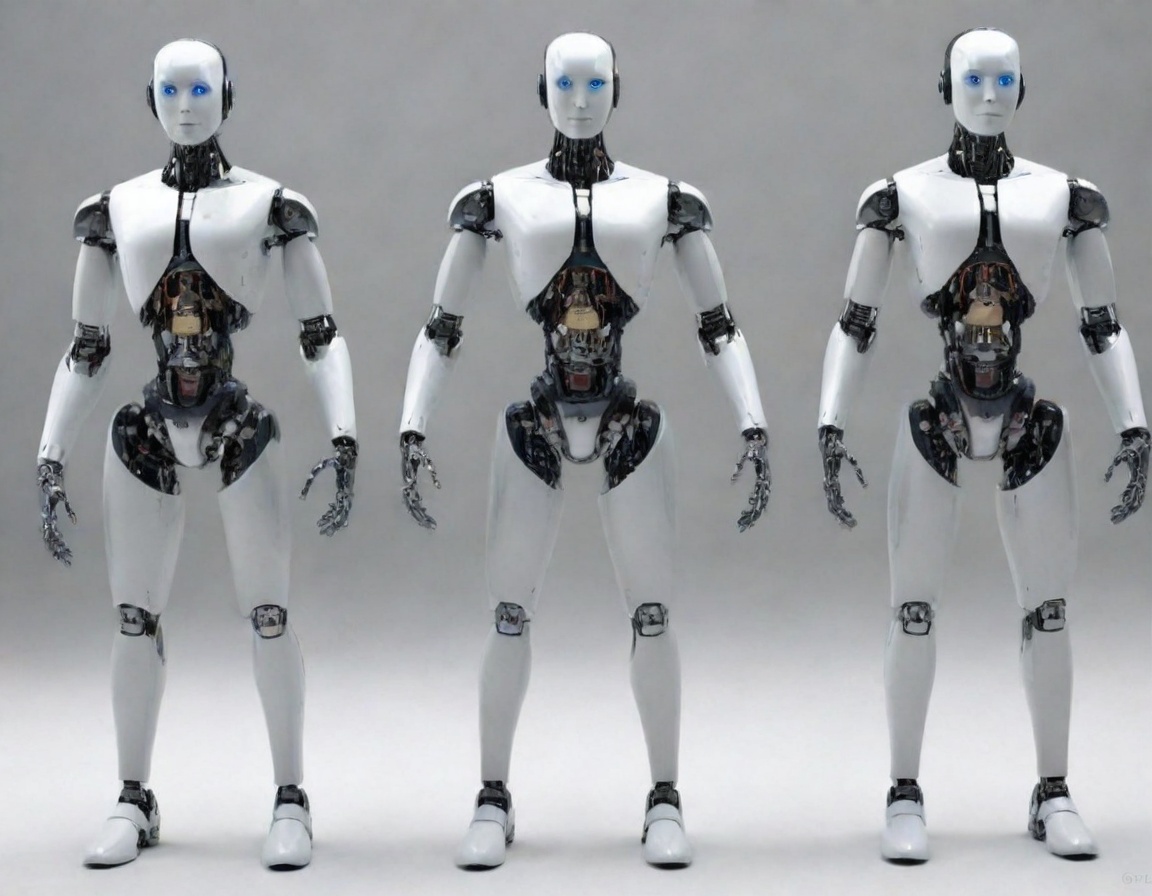
Robotics is the fusion of engineering, computer science, and artificial intelligence to create machines that can perform tasks autonomously or under human control. These machines, ranging from simple industrial robots to sophisticated humanoid robots, are designed to interact with their environment and adapt to new situations.
In everyday life, robotics is manifesting in various forms, from the humble vacuum cleaner to the more complex autonomous vehicles. These robots are not just limited to industrial settings but are increasingly being integrated into our homes, hospitals, and public spaces.
Why it matters
The integration of robotics into our daily lives has the potential to revolutionize the way we live, work, and interact with each other. Robots can perform tasks that are repetitive, hazardous, or time-consuming, freeing humans to focus on more creative and high-value activities.
Moreover, robotics has the potential to improve healthcare outcomes, enhance education, and increase productivity. For instance, robots can assist in surgeries, provide companionship to the elderly, and help students learn complex concepts through interactive simulations.
Where you’ll see it first
The first place you might encounter robotics in everyday life is in your home. Many households already have robots that perform tasks such as cleaning, laundry, and cooking. These robots are designed to be user-friendly and can be controlled through mobile apps or voice assistants.
In addition, you may see robots in public spaces such as shopping malls, airports, and hospitals. These robots can provide information, assist with navigation, and even offer emotional support to those in need.
The trade-offs and worries
While robotics has the potential to bring many benefits, there are also concerns about job displacement, safety, and security. As robots become more advanced, there is a risk that they may replace human workers in certain industries, leading to unemployment and social unrest.
Moreover, there are concerns about the safety and security of robots, particularly in situations where they may be used for surveillance or law enforcement. There is also a risk that robots may be hacked or compromised, leading to unintended consequences.
What to watch next
As robotics continues to evolve, there are several areas to watch in the coming years. One area is the development of more advanced artificial intelligence, which will enable robots to learn and adapt more quickly.
Another area is the integration of robotics with other technologies such as the Internet of Things (IoT) and 5G networks. This will enable robots to communicate more effectively and interact with their environment in more sophisticated ways.
Conclusion
As robotics becomes increasingly integrated into our daily lives, it is clear that this technology has the potential to bring about significant benefits and improvements. However, it is also essential to address the trade-offs and worries associated with robotics, ensuring that this technology is developed and used in a responsible and sustainable way. The future of robotics is bright, and it is up to us to shape it.