
What it is
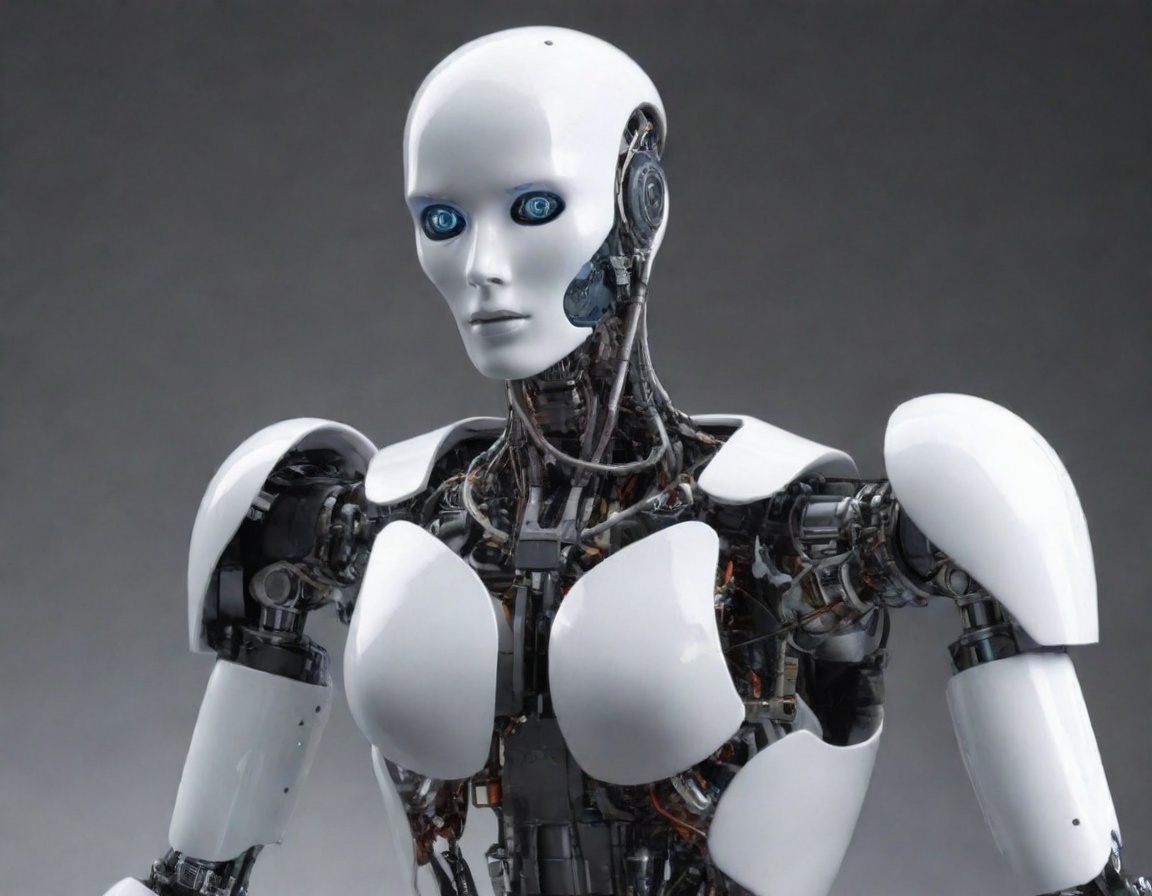
Robotics in everyday life refers to the integration of robots and artificial intelligence into our daily routines, transforming the way we live, work, and interact with one another. This concept encompasses a wide range of applications, from intelligent home assistants and autonomous vehicles to robotic healthcare and education.
Imagine waking up to a smart home that adjusts the lighting, temperature, and music to your preferences, all thanks to a network of robots and sensors working in harmony. Or picture a self-driving car that takes you to work, effortlessly navigating through traffic and ensuring your safety. These scenarios are no longer the stuff of science fiction, but rather a glimpse into the future of robotics in everyday life.
Why it matters
The integration of robotics into our daily lives has the potential to revolutionize the way we live, work, and interact with one another. By automating mundane tasks and freeing up time for more creative and meaningful pursuits, robotics can lead to increased productivity, improved quality of life, and enhanced overall well-being.
Moreover, robotics can also play a critical role in addressing some of the world's most pressing challenges, such as healthcare, education, and environmental sustainability. For instance, robots can assist in medical procedures, provide personalized education, and help monitor and mitigate the effects of climate change.
Where you’ll see it first
The impact of robotics in everyday life will be most pronounced in industries that are heavily reliant on manual labor, such as manufacturing, logistics, and healthcare. In these sectors, robots will not only augment human capabilities but also provide a safer and more efficient alternative to traditional methods.
However, the effects of robotics will also be felt in more unexpected areas, such as education and entertainment. For example, virtual reality and augmented reality technologies, which are often powered by robotics, are being used to create immersive and interactive learning experiences that are revolutionizing the way we learn.
The trade-offs and worries
While the benefits of robotics in everyday life are undeniable, there are also concerns about the potential risks and trade-offs. For instance, the increasing reliance on automation and artificial intelligence may lead to job displacement and social inequality.
Moreover, there are also concerns about the potential for robots to malfunction or be hacked, leading to accidents or even catastrophic consequences. Additionally, there are also questions about the ethics of creating and deploying robots that can interact with humans in complex and nuanced ways.
What to watch next
As robotics continues to evolve and become more integrated into our daily lives, there are several areas to watch in the coming years. One of the most exciting developments is the emergence of human-robot collaboration, which enables robots to work alongside humans in a more seamless and intuitive way.
Another area to watch is the growth of robotics in the service industry, where robots are being used to provide personalized and high-quality customer service. Finally, the increasing use of robotics in education and healthcare is also expected to have a significant impact on the way we learn and receive medical care.
Conclusion
As we embark on this new era of robotics in everyday life, it's clear that the possibilities are endless and the potential is vast. With the right approach and mindset, we can harness the power of robotics to create a brighter, more sustainable, and more equitable future for all.