
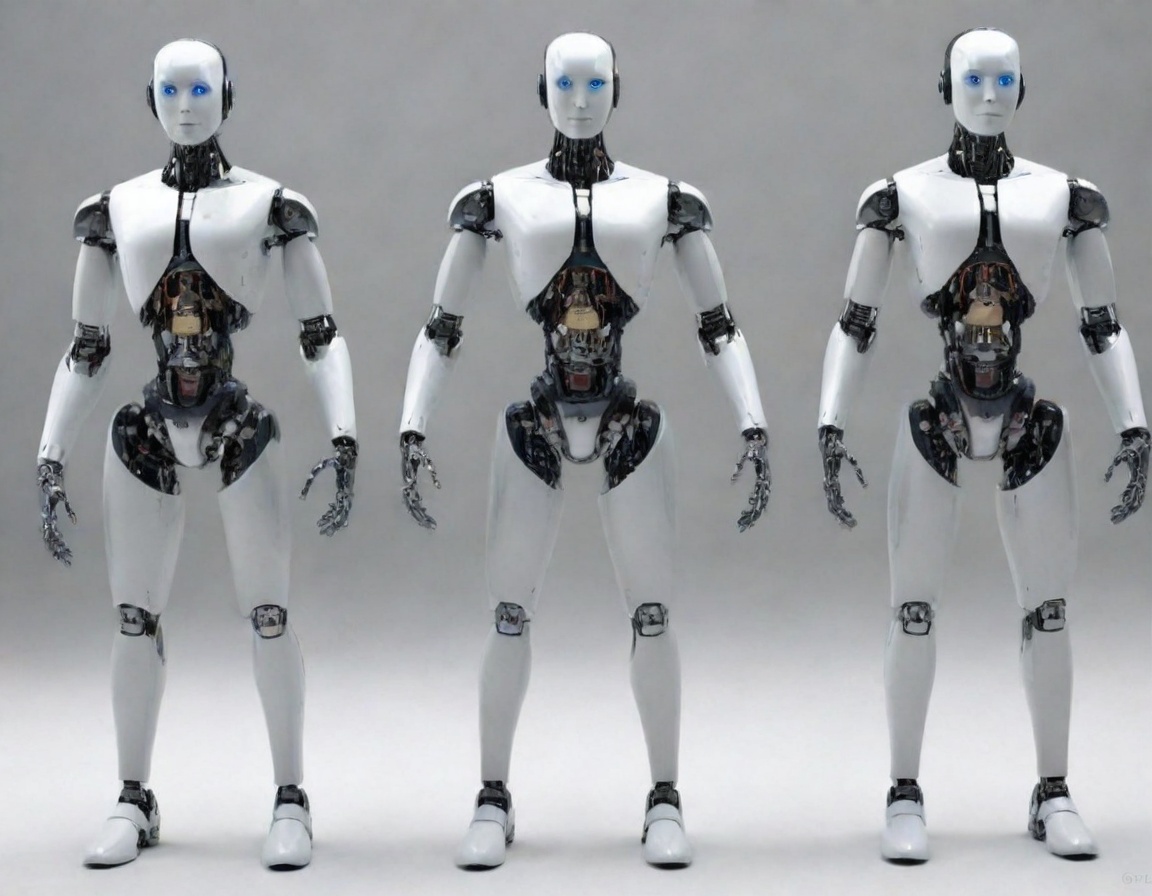
What it is
Robots in healthcare are designed to assist medical professionals in various tasks, from diagnosis to treatment. These robots can be found in hospitals, clinics, and even at home, and they come in different forms, such as robotic arms, exoskeletons, and autonomous vehicles. Some robots are specifically designed to help with surgeries, while others are used for rehabilitation and physical therapy.
Robotic-assisted surgery, for example, allows surgeons to perform complex procedures with greater precision and accuracy. The robot's high-definition camera and instruments enable surgeons to see and manipulate tissues more easily, reducing the risk of complications and improving patient outcomes. Other robots are designed to assist with tasks such as wound care, medication administration, and patient transportation.
Why it matters
The integration of robots in healthcare has the potential to revolutionize the way medical professionals work and patients receive care. By automating routine tasks and providing assistance with complex procedures, robots can help reduce the workload of medical staff, allowing them to focus on more critical tasks. This can lead to improved patient outcomes, reduced hospital stays, and lower healthcare costs.
Robots can also help address the shortage of medical professionals in certain areas, particularly in rural or underserved communities. By providing remote access to medical expertise and assistance, robots can help bridge the gap in healthcare services and improve access to quality care.
Where you’ll see it first
Robots in healthcare are already being used in various settings, from hospitals and clinics to research institutions and even at home. Some of the first places you might see robots in action include:
* Operating rooms, where robotic-assisted surgery is becoming increasingly common * Rehabilitation centers, where robots are used to help patients recover from injuries or illnesses * Nursing homes, where robots are used to assist with daily tasks and provide companionship * Research institutions, where robots are being developed and tested for use in various medical applications
The trade-offs and worries
While robots in healthcare have the potential to revolutionize the way medical professionals work and patients receive care, there are also concerns and trade-offs to consider. Some of the worries include:
* Job displacement: As robots take on more tasks and responsibilities, there is a risk that medical professionals may lose their jobs or see their roles change significantly. * Dependence on technology: Over-reliance on robots and automation can lead to a loss of critical thinking and problem-solving skills among medical professionals. * Cybersecurity risks: Robots and other medical devices can be vulnerable to cyber attacks, which can compromise patient data and put lives at risk. * Cost: While robots can help reduce healthcare costs in the long run, the initial investment in purchasing and implementing robots can be significant.
What to watch next
As robots in healthcare continue to evolve and improve, there are several areas to watch in the coming years. Some of the most promising developments include:
* Artificial intelligence (AI) integration: AI-powered robots are being developed to assist with complex tasks and provide personalized care to patients. * Telemedicine: Robots are being used to enable remote consultations and provide access to medical expertise in underserved areas. * Personalized medicine: Robots are being developed to help tailor treatment plans to individual patients based on their unique genetic profiles and medical histories.
Conclusion
As robots continue to transform the healthcare landscape, one thing is clear: the future of medicine is robotic. With their ability to assist with complex tasks, provide personalized care, and improve patient outcomes, robots are poised to revolutionize the way we receive healthcare. As we move forward, it's essential to address the trade-offs and worries associated with robots in healthcare, but the potential benefits are undeniable. The future of healthcare is robotic, and it's arriving sooner than you think.
The Role of Robotics in Redefining Healthcare Education
As robots become increasingly integrated into healthcare settings, there is a growing need for medical professionals to be trained in robotics and automation. This includes not only technical skills but also the ability to work effectively with robots and other medical devices.
* Collaborative training: Medical professionals and robotics engineers are working together to develop training programs that focus on the safe and effective use of robots in healthcare settings. * Simulation-based training: Simulation-based training is being used to teach medical professionals how to work with robots and other medical devices in a controlled and realistic environment. * Continuing education: As robots and automation continue to evolve, medical professionals will need to stay up-to-date with the latest developments and technologies.
The Impact of Robotics on Healthcare Policy and Regulation
As robots become more prevalent in healthcare settings, there is a growing need for policies and regulations to govern their use. This includes issues related to liability, patient safety, and data protection.
* Regulatory frameworks: Governments and regulatory agencies are developing frameworks to govern the use of robots in healthcare settings. * Liability and risk management: Healthcare providers and manufacturers are working to develop strategies for managing liability and risk associated with robots and other medical devices. * Data protection: There is a growing need for policies and regulations to protect patient data and ensure that it is used in a secure and responsible manner.
The Future of Robotics in Healthcare
As robots continue to transform the healthcare landscape, there are several areas to watch in the coming years. Some of the most promising developments include:
* Robot-assisted surgery: Robots are being developed to assist with complex surgical procedures and improve patient outcomes. * Home healthcare: Robots are being developed to provide care and support to patients in their own homes. * Medical research: Robots are being used to conduct medical research and develop new treatments and therapies.
Conclusion
As robots continue to transform the healthcare landscape, one thing is clear: the future of medicine is robotic. With their ability to assist with complex tasks, provide personalized care, and improve patient outcomes, robots are poised to revolutionize the way we receive healthcare. As we move forward, it's essential to address the trade-offs and worries associated with robots in healthcare, but the potential benefits are undeniable. The future of healthcare is robotic, and it's arriving sooner than you think.