
What it is
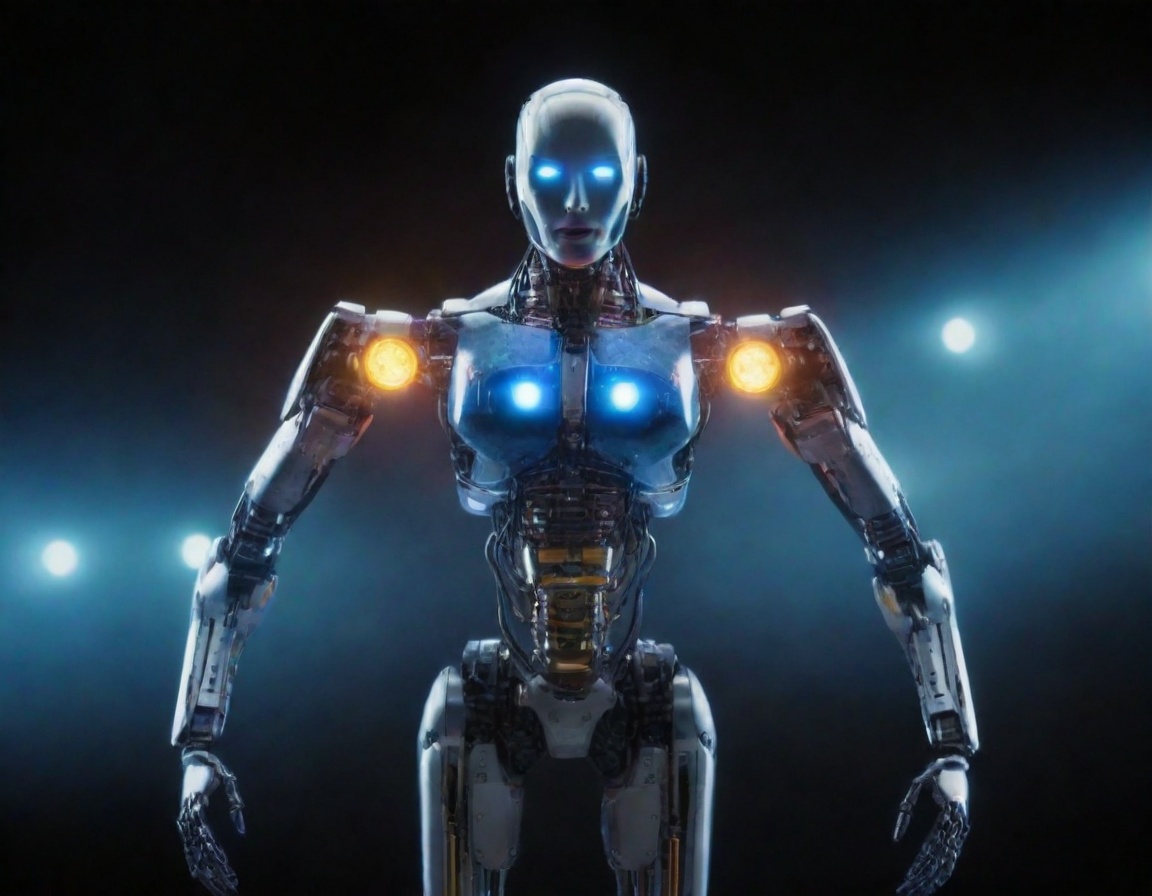
Human-robot collaboration (HRC) is a rapidly evolving field that focuses on designing robots that can work alongside humans in various settings, from manufacturing and healthcare to education and service industries. This concept involves creating robots that can perceive, understand, and respond to human behavior, enabling them to adapt to changing situations and environments.
In HRC, robots are not just programmed to perform specific tasks but are also designed to interact with humans in a way that is intuitive, safe, and efficient. This requires a deep understanding of human behavior, psychology, and social norms, as well as the ability to learn from humans and adapt to new situations.
Why it matters
HRC has the potential to revolutionize various industries by increasing productivity, improving safety, and enhancing the overall quality of life. In manufacturing, for example, robots can work alongside humans to perform tasks that are too difficult or hazardous for humans to handle alone. This can lead to significant improvements in efficiency, quality, and worker safety.
In healthcare, HRC can enable robots to assist medical professionals in tasks such as patient care, surgery, and rehabilitation. This can help to reduce the workload of healthcare professionals, improve patient outcomes, and enhance the overall quality of care.
Where you’ll see it first
HRC is already being implemented in various industries and settings around the world. In manufacturing, companies such as Toyota and Volkswagen are using robots to work alongside humans in their production lines. In healthcare, hospitals such as the Mayo Clinic and the University of California, San Francisco are using robots to assist medical professionals in patient care and surgery.
In addition, HRC is being used in education and service industries, such as in the development of social robots that can interact with humans in a way that is natural and intuitive. These robots are being used in settings such as museums, libraries, and shopping malls to provide information and assistance to visitors.
The trade-offs and worries
While HRC has the potential to revolutionize various industries, there are also concerns about the impact of robots on human employment and social relationships. As robots become more advanced and capable, there is a risk that they will replace human workers in certain industries, leading to job losses and social disruption.
There are also concerns about the safety and security of HRC systems, particularly in settings where humans and robots are working together in close proximity. There is a risk that robots could malfunction or be hacked, leading to accidents or other safety incidents.
What to watch next
As HRC continues to evolve and improve, there are several areas that will be worth watching in the coming years. One area is the development of more advanced and sophisticated robots that can learn from humans and adapt to changing situations.
Another area is the use of HRC in settings such as education and service industries, where robots can provide information and assistance to humans in a way that is natural and intuitive. This could have significant implications for the way we interact with technology and each other.
Conclusion
As we move forward in the rapidly evolving field of human-robot collaboration, it is clear that the possibilities are endless and the potential is vast. With the ability to learn from humans and adapt to changing situations, robots will become an integral part of our lives, working alongside us to improve our productivity, safety, and quality of life. And as we continue to push the boundaries of what is possible, one thing is certain: the future of human-robot collaboration will be brighter than ever.