
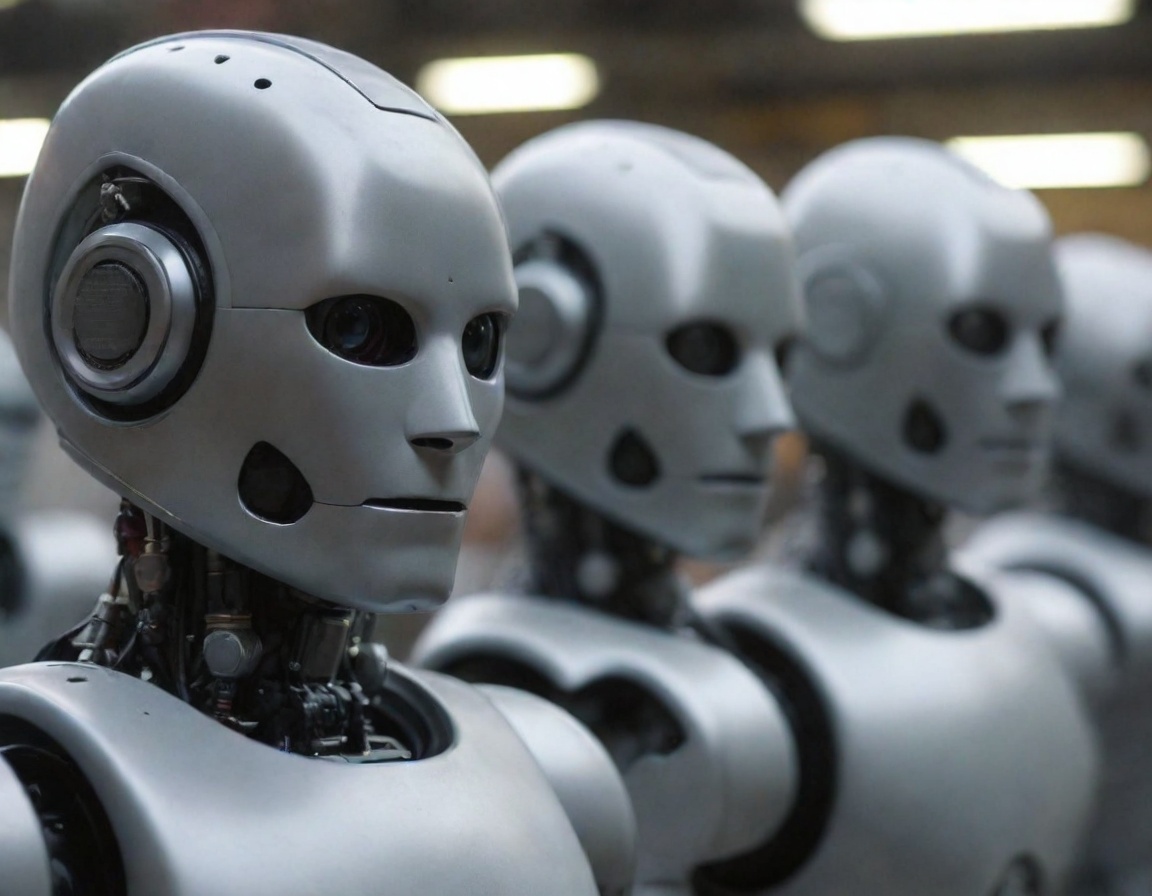
What it is
Robotics is a rapidly evolving field that combines artificial intelligence, computer science, and engineering to create machines that can interact with and assist humans. These machines, known as robots, can perform a wide range of tasks, from simple assembly line work to complex surgeries and space exploration. They can be designed to mimic human-like movements and behaviors, or to operate in environments that are hazardous or difficult for humans to access.
One of the key features of modern robotics is the use of artificial intelligence and machine learning algorithms to enable robots to learn from experience and adapt to new situations. This allows robots to become more autonomous and efficient, and to perform tasks that would be difficult or impossible for humans to accomplish. For example, self-driving cars use a combination of sensors and AI algorithms to navigate roads and avoid obstacles, while robots in manufacturing plants can learn to perform complex assembly tasks with high precision.
Why it matters
The potential impact of robotics on human collaboration is significant. As robots become more advanced and capable, they can take on tasks that are currently performed by humans, freeing us up to focus on more complex and creative work. This can lead to increased productivity and efficiency, as well as improved safety and reduced costs. For example, robots can perform tasks that are hazardous or difficult for humans, such as working in high-temperature environments or handling toxic materials.
Robotics can also enable new forms of collaboration between humans and machines. For example, robots can be designed to work alongside humans in teams, using their advanced capabilities to augment human performance and improve outcomes. This can be particularly useful in fields such as healthcare, where robots can assist with surgeries and other procedures, or in manufacturing, where robots can work alongside humans to produce complex products.
Where you’ll see it first
The impact of robotics on human collaboration will be felt in a wide range of industries and applications. Some of the areas where we are likely to see significant advancements in robotics include:
* Healthcare: Robots are already being used in hospitals to assist with surgeries and other procedures. They can also be used to provide care and companionship to patients, particularly those who are elderly or have disabilities. * Manufacturing: Robots are being used in manufacturing plants to perform tasks such as assembly, welding, and inspection. They can also be used to improve quality control and reduce waste. * Transportation: Self-driving cars and trucks are being developed to improve safety and reduce congestion on roads. * Space exploration: Robots are being used to explore and map the surface of Mars and other planets.
The trade-offs and worries
While robotics has the potential to revolutionize human collaboration, there are also potential trade-offs and worries to consider. Some of the concerns include:
* Job displacement: As robots take on tasks that are currently performed by humans, there is a risk that some people may lose their jobs. * Safety: While robots can perform tasks that are hazardous for humans, there is also a risk that they may malfunction or cause accidents. * Dependence on technology: As we become more reliant on robots and other technologies, there is a risk that we may become too dependent on them and lose our ability to perform tasks independently.
What to watch next
The future of human collaboration through robotics is likely to be shaped by a range of factors, including advances in artificial intelligence and machine learning, the development of new robotic technologies, and the impact of robotics on industries and applications. Some of the areas to watch in the coming years include:
* The development of more advanced and capable robots that can perform complex tasks and interact with humans in more natural ways. * The use of robotics in new and innovative applications, such as in education and entertainment. * The impact of robotics on industries and applications, such as in healthcare and manufacturing.
Conclusion
As we look to the future of human collaboration through robotics, it is clear that this technology has the potential to revolutionize the way we work and interact with each other. From healthcare to manufacturing, transportation to space exploration, robotics is changing the way we live and work. As we continue to develop and advance this technology, we must also consider the potential trade-offs and worries, and work to ensure that the benefits of robotics are shared by all. The future of human collaboration is bright, and it's being shaped by the machines that are changing the world.