
What it is
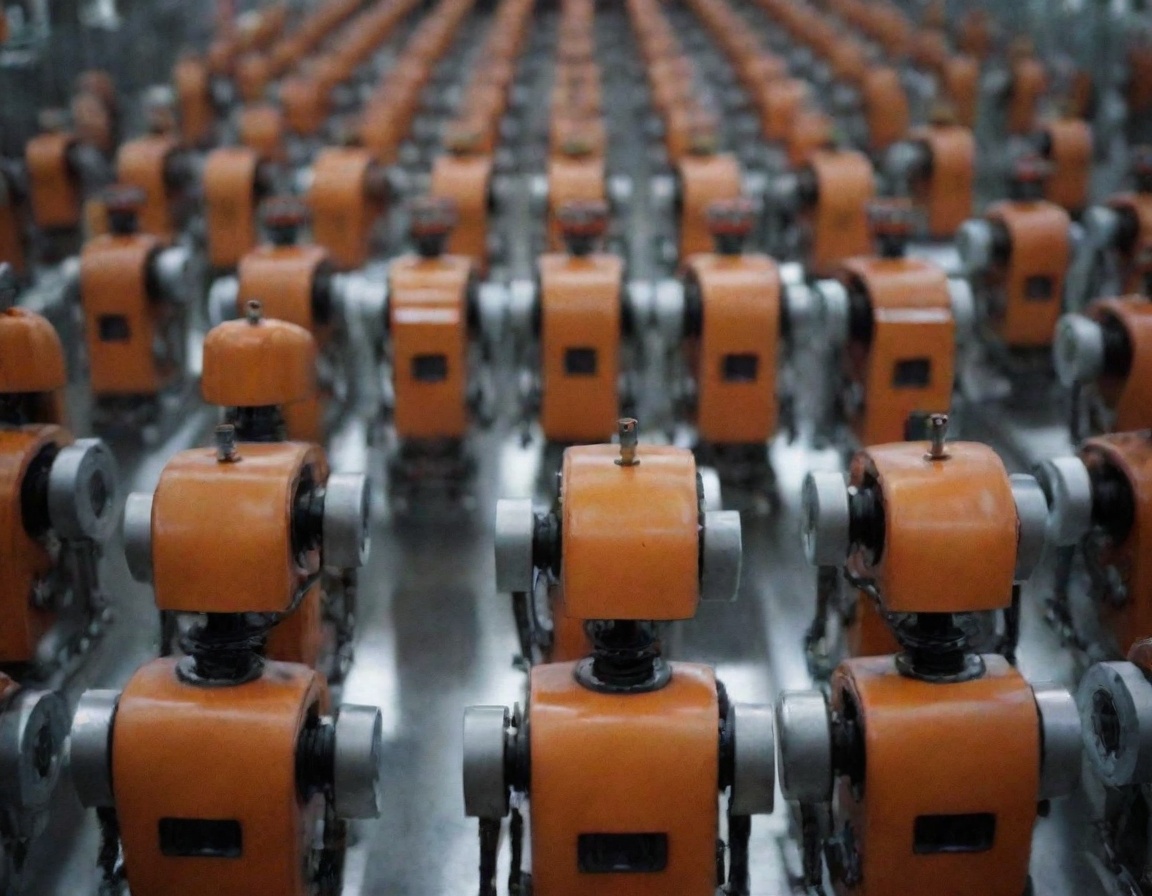
Robots are intelligent machines that can perform a wide range of tasks, from simple to complex, and are increasingly being integrated into various aspects of our daily lives. They can be found in various forms, such as humanoid robots, service robots, and industrial robots, each designed to serve a specific purpose.
Humanoid robots, for instance, are designed to resemble humans and can interact with people in a more natural way. They can be used in customer service, healthcare, and education, among other fields. Service robots, on the other hand, are designed to perform specific tasks, such as cleaning, cooking, and serving food. Industrial robots, meanwhile, are used in manufacturing and production processes to improve efficiency and productivity.
Why it matters
The increasing presence of robots in our daily lives has significant implications for various aspects of society. On the one hand, robots can bring about numerous benefits, such as increased efficiency, productivity, and accuracy. They can also help to improve safety, reduce costs, and enhance customer experience. For instance, robots can be used to perform tasks that are hazardous or difficult for humans, such as cleaning up nuclear waste or exploring space.
On the other hand, the increasing presence of robots also raises concerns about job displacement, social isolation, and loss of human skills. As robots take over more tasks, there is a risk that humans may lose their jobs, particularly in sectors where robots are widely used. Additionally, the increasing reliance on robots may lead to social isolation, as people spend more time interacting with machines and less time interacting with each other.
Where you’ll see it first
Robots are already being used in various settings, from homes to hospitals, and from factories to farms. In homes, robots are being used to perform tasks such as cleaning, cooking, and serving food. In hospitals, robots are being used to assist with surgeries, transport patients, and provide companionship to patients. In factories, robots are being used to improve efficiency and productivity, while on farms, robots are being used to monitor crops and livestock.
The trade-offs and worries
While robots bring about numerous benefits, there are also concerns about their impact on society. One of the main concerns is job displacement, as robots take over more tasks. Another concern is social isolation, as people spend more time interacting with machines and less time interacting with each other. Additionally, there are concerns about the ethics of using robots, particularly in situations where they may be used to harm or deceive humans.
What to watch next
As robots continue to evolve and become more integrated into our daily lives, there are several areas to watch in the coming years. One area to watch is the development of artificial intelligence, which is expected to become increasingly sophisticated and powerful. Another area to watch is the use of robots in healthcare, where they are expected to play a increasingly important role in patient care and treatment.
Conclusion
As robots become increasingly integrated into our daily lives, it is essential to consider the implications of their use and to ensure that they are used in a way that benefits society as a whole. By weighing the benefits and drawbacks of robots, we can work towards creating a future where humans and robots coexist in harmony, where technology enhances our lives, and where we can all thrive together.