
What it is
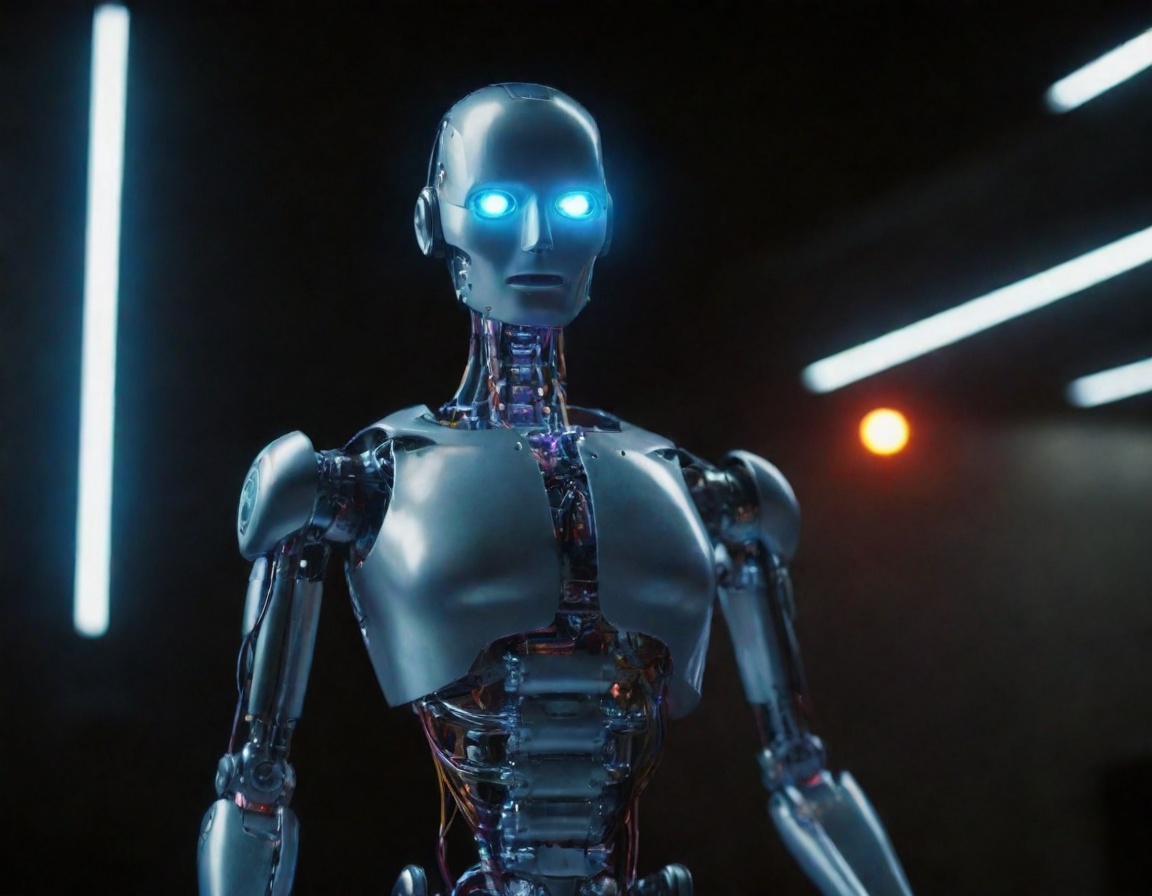
Service automation, a subset of robotics, refers to the use of machines and artificial intelligence to perform tasks that were previously done by humans. These tasks can range from simple ones like cleaning and maintenance to more complex ones like customer service and food preparation. Robots in service automation are designed to work alongside humans, freeing them up to focus on more high-value tasks.
Service automation robots can be found in various industries, including healthcare, hospitality, and retail. In healthcare, robots are used to assist with tasks such as patient care, medication dispensing, and laboratory testing. In hospitality, robots are used to provide customer service, deliver food and drinks, and even perform tasks like laundry and housekeeping. In retail, robots are used to assist with tasks such as inventory management, restocking shelves, and providing customer support.
Why it matters
The rise of service automation has the potential to significantly impact the way we live and work. By automating tasks that were previously done by humans, robots can help to increase efficiency, reduce costs, and improve productivity. This can lead to a range of benefits, including:
* Improved customer satisfaction: By providing faster and more accurate service, robots can help to improve customer satisfaction and loyalty. * Increased productivity: By automating tasks that were previously done by humans, robots can help to free up staff to focus on more high-value tasks. * Reduced costs: By reducing the need for human labor, robots can help to reduce costs and improve profitability.
Where you’ll see it first
Service automation robots can be found in a range of settings, from hospitals and hotels to shopping malls and restaurants. In fact, many companies are already using robots to automate tasks and improve efficiency. For example, some hospitals are using robots to assist with patient care, while others are using robots to deliver food and drinks to patients.
In retail, robots are being used to assist with tasks such as inventory management and customer support. Some companies are even using robots to provide personalized customer service, using artificial intelligence to understand customer needs and preferences.
The trade-offs and worries
While service automation has the potential to bring a range of benefits, it also raises a number of concerns. One of the main worries is job displacement, as robots and artificial intelligence take over tasks that were previously done by humans. This can lead to unemployment and social unrest, particularly in industries where jobs are scarce.
Another concern is the potential for robots to make mistakes, particularly in high-stakes situations such as healthcare. This can lead to errors and accidents, which can have serious consequences.
What to watch next
As service automation continues to evolve, there are a number of trends and developments to watch. One of the main areas of focus is the use of artificial intelligence to improve robot performance and decision-making. This can help to improve efficiency and accuracy, and reduce the risk of errors.
Another area of focus is the use of robots in new and innovative ways, such as in education and entertainment. For example, some companies are using robots to provide personalized learning experiences, while others are using robots to create interactive and immersive experiences.
Conclusion
As service automation continues to rise, it's clear that robots will play an increasingly important role in our lives. From healthcare to hospitality, and from retail to education, robots are being used to automate tasks and improve efficiency. While there are certainly trade-offs and worries, the benefits of service automation are clear. As we move forward, it's essential to focus on developing robots that are safe, efficient, and effective, and that work alongside humans to improve our lives.