
What it is
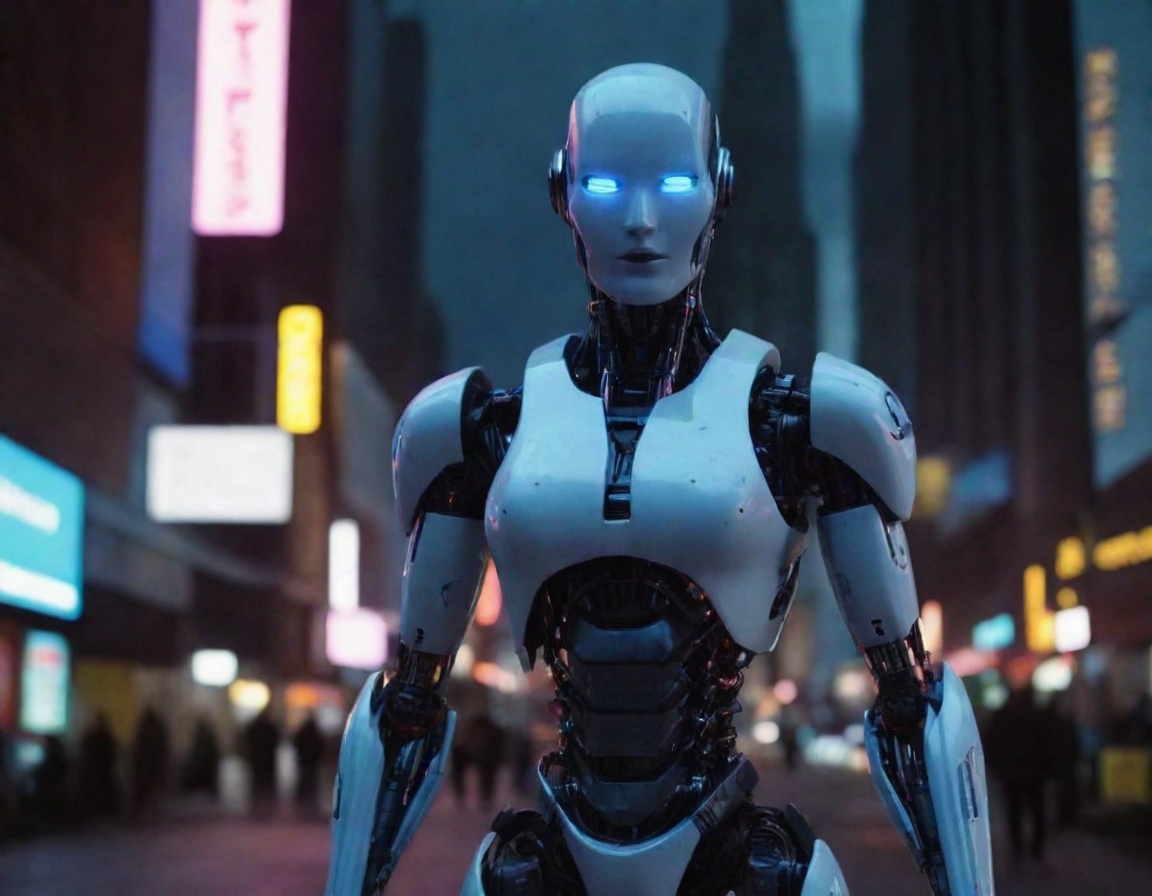
Service robots are intelligent machines designed to assist humans in various aspects of daily life. They can perform tasks such as cleaning, cooking, and even providing companionship. These robots use advanced technologies like artificial intelligence, machine learning, and sensor systems to navigate and interact with their environment. They can be found in various settings, including homes, hospitals, and public spaces.
Service robots can be categorized into different types, including:
* **Social robots**: designed to interact with humans and provide companionship, such as robots that can recognize and respond to emotions. * **Service robots**: designed to perform specific tasks, such as cleaning or cooking. * **Assistive robots**: designed to help people with disabilities or mobility issues.
Why it matters
Service robots have the potential to revolutionize the way we live and work. They can help to:
* **Improve efficiency**: by automating tasks and freeing up human time for more important activities. * **Enhance safety**: by reducing the risk of accidents and injuries. * **Increase accessibility**: by providing assistance to people with disabilities or mobility issues. * **Provide companionship**: by offering social interaction and emotional support.
Where you’ll see it first
Service robots are already being used in various settings, including:
* **Homes**: where they can perform tasks such as cleaning and cooking. * **Hospitals**: where they can assist with patient care and rehabilitation. * **Public spaces**: where they can provide information and assistance to visitors. * **Agriculture**: where they can help with tasks such as planting and harvesting.
The trade-offs and worries
While service robots have many benefits, there are also some trade-offs and worries to consider, including:
* **Job displacement**: as robots take over tasks that were previously performed by humans. * **Dependence on technology**: as people become increasingly reliant on robots for assistance. * **Safety and security**: as robots interact with humans and the environment. * **Ethics and morality**: as robots are designed to make decisions and take actions that impact human lives.
What to watch next
As service robots continue to evolve and improve, there are several areas to watch, including:
* **Advances in AI and machine learning**: which will enable robots to become even more intelligent and capable. * **Increased use of sensors and IoT**: which will allow robots to interact with the environment in more sophisticated ways. * **Development of new applications**: such as robots that can assist with tasks such as healthcare and education. * **Growing adoption in industries**: such as manufacturing, logistics, and transportation.
Conclusion
Service robots are transforming daily life with assistive technology, making tasks easier and more efficient. As they continue to evolve and improve, we can expect to see even more innovative applications and uses in the future. The question is, what will be the next step in the evolution of service robots, and how will they change the world forever?