
What it is
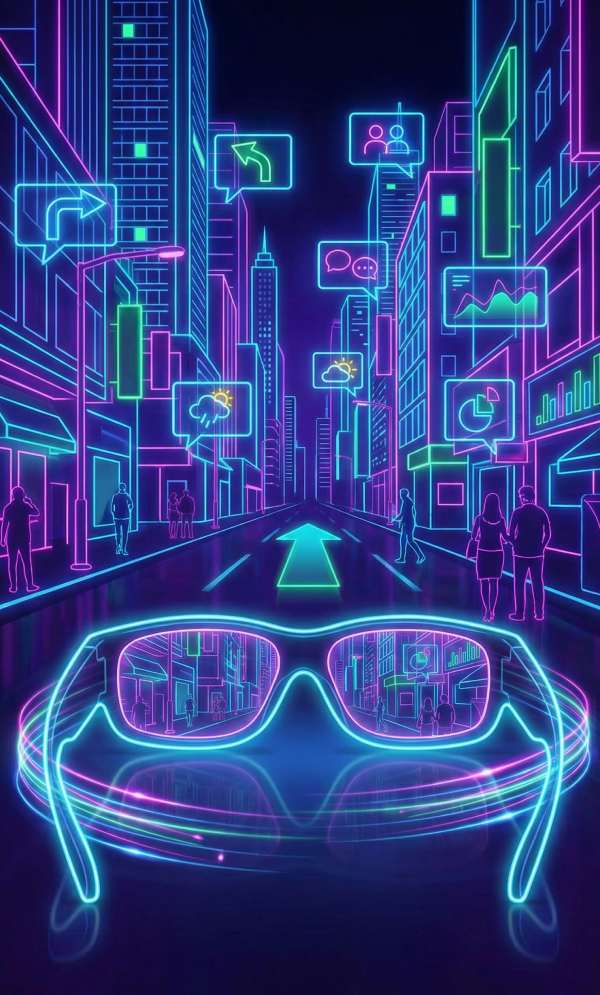
Spatial computing is an emerging field that combines augmented reality (AR), virtual reality (VR), and the Internet of Things (IoT) to create immersive and interactive experiences in physical spaces. In the context of architecture, spatial computing enables the creation of dynamic, data-driven environments that can adapt to the needs of users.
Imagine walking into a building where the walls, floors, and ceilings come alive with information, visuals, and sounds. This is the future of architecture, where spatial computing is revolutionizing the way we interact with our surroundings. By overlaying digital information onto physical spaces, architects can create more engaging, efficient, and sustainable buildings that respond to the needs of occupants.
Why it matters
Spatial computing has the potential to transform the way we design, build, and inhabit buildings. It can improve the user experience by providing real-time information, enhancing navigation, and promoting wayfinding. Additionally, spatial computing can help reduce energy consumption, improve air quality, and increase the overall sustainability of buildings.
In the healthcare sector, spatial computing can be used to create immersive therapy environments, enhance patient engagement, and improve patient outcomes. In education, spatial computing can be used to create interactive learning environments, enhance student engagement, and improve academic performance.
Where you’ll see it first
Spatial computing is already being used in various architectural projects around the world. From museums and galleries to shopping centers and office buildings, spatial computing is being used to create immersive and interactive experiences that engage users and enhance their experience.
The Guggenheim Museum in Bilbao, Spain, is a prime example of spatial computing in action. The museum's atrium features a stunning glass roof that uses spatial computing to create an immersive experience for visitors. As visitors walk through the atrium, they are surrounded by a kaleidoscope of colors and patterns that respond to their movements.
The trade-offs and worries
While spatial computing has the potential to revolutionize the way we design and inhabit buildings, there are also concerns about its impact on user experience, energy consumption, and data security. As spatial computing becomes more widespread, there is a risk that users may become overwhelmed by the sheer amount of information and stimuli presented to them.
Additionally, there are concerns about the environmental impact of spatial computing, particularly in terms of energy consumption and e-waste. As more devices and sensors are installed in buildings, there is a risk that energy consumption will increase, contributing to greenhouse gas emissions and climate change.
What to watch next
As spatial computing continues to evolve, we can expect to see more innovative applications in architecture, from smart cities to sustainable buildings. Some of the key trends to watch include:
* The integration of artificial intelligence (AI) and machine learning (ML) into spatial computing systems * The use of spatial computing to enhance accessibility and inclusivity in buildings * The development of new materials and technologies that enable more efficient and sustainable spatial computing systems
Conclusion
As we look to the future of architecture, it's clear that spatial computing will play a major role in shaping the way we design, build, and inhabit buildings. With its potential to enhance user experience, improve sustainability, and increase efficiency, spatial computing is an exciting and rapidly evolving field that is sure to transform the built environment forever.