
What it is
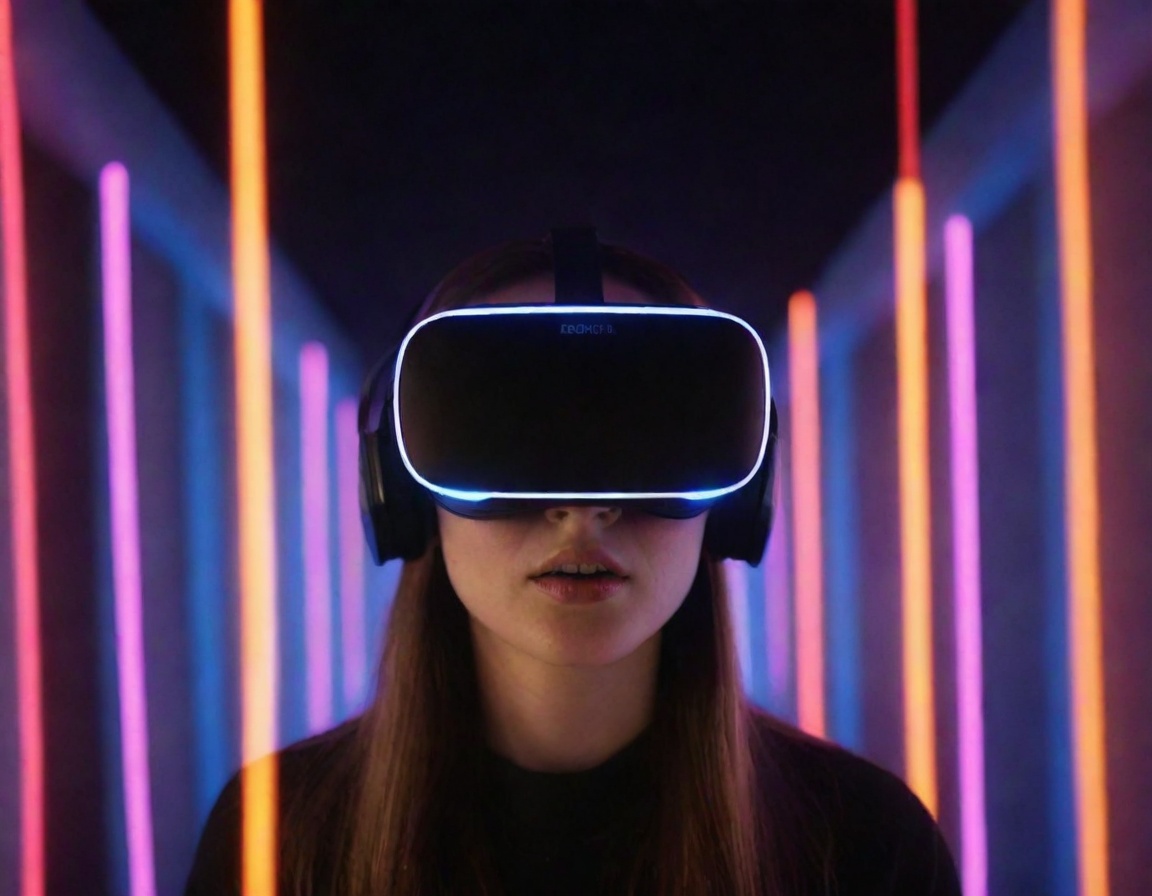
Spatial Computing is an emerging technology that takes the concept of Virtual Reality (VR) and Augmented Reality (AR) to the next level. It's an immersive experience that allows users to interact with virtual objects and environments in a more natural and intuitive way, using gestures, voice commands, or even their thoughts. This technology has the potential to revolutionize the way we interact with information, each other, and the world around us.
Imagine being able to walk into a virtual room, pick up a virtual object, and examine it from every angle. Or, picture being able to see virtual information overlaid onto the real world, like directions to a nearby restaurant or the name of a plant in your garden. Spatial Computing makes these experiences possible, and it's not just limited to gaming and entertainment.
Why it matters
Spatial Computing has the potential to transform various industries, including education, healthcare, and architecture. For example, medical students can use spatial computing to practice surgeries in a virtual environment, reducing the risk of errors and improving their skills. Architects can use spatial computing to create immersive models of buildings, allowing clients to see and interact with their designs in a more engaging way.
Moreover, spatial computing can also improve accessibility and inclusivity. For instance, people with disabilities can use spatial computing to interact with virtual objects and environments in a way that's more natural and intuitive for them. This technology can also help bridge the gap between people with different languages and cultures, enabling them to communicate and collaborate more effectively.
Where you’ll see it first
Spatial Computing is already being used in various applications, including gaming, education, and healthcare. For example, companies like Magic Leap and Microsoft are developing spatial computing platforms that allow users to interact with virtual objects and environments in a more immersive way. These platforms are being used in various industries, including gaming, education, and healthcare.
You can also see spatial computing in action in various public spaces, such as museums and shopping malls. For instance, some museums are using spatial computing to create immersive exhibits that allow visitors to interact with virtual objects and environments in a more engaging way. Similarly, some shopping malls are using spatial computing to create virtual try-on experiences that allow customers to see how clothes and accessories would look on them without having to physically try them on.
The trade-offs and worries
While spatial computing has the potential to revolutionize various industries, it also raises some concerns. For instance, the use of spatial computing can be addictive, leading to a decrease in physical activity and social interaction. Moreover, the use of spatial computing can also raise concerns about data privacy and security, particularly if users are sharing personal data with companies that are developing spatial computing platforms.
Additionally, the use of spatial computing can also create new forms of social isolation, particularly if users are spending more time interacting with virtual objects and environments than with real people. This can lead to a decrease in empathy and understanding, as well as a decrease in face-to-face communication skills.
What to watch next
As spatial computing continues to evolve, we can expect to see new applications and use cases emerge. For instance, companies are already developing spatial computing platforms that allow users to interact with virtual objects and environments in a more natural and intuitive way, using gestures, voice commands, or even their thoughts. These platforms are being used in various industries, including gaming, education, and healthcare.
We can also expect to see the development of new hardware and software technologies that enable spatial computing, such as advanced sensors, cameras, and displays. These technologies will enable users to interact with virtual objects and environments in a more immersive and engaging way, and will open up new possibilities for applications and use cases.
Conclusion
Spatial Computing is a revolutionary technology that has the potential to transform various industries, including education, healthcare, and architecture. It's an immersive experience that allows users to interact with virtual objects and environments in a more natural and intuitive way, using gestures, voice commands, or even their thoughts. As spatial computing continues to evolve, we can expect to see new applications and use cases emerge, and we can expect to see the development of new hardware and software technologies that enable spatial computing. The future of spatial computing is bright, and it's going to change the way we interact with information, each other, and the world around us.