
What it is
Spatial Computing for Smart Cities is an emerging field that combines Extended Reality (XR) with urban planning and management. It involves the use of immersive technologies such as Virtual Reality (VR), Augmented Reality (AR), and Mixed Reality (MR) to create interactive and engaging experiences in public spaces. By leveraging these technologies, cities can become more livable, sustainable, and efficient.
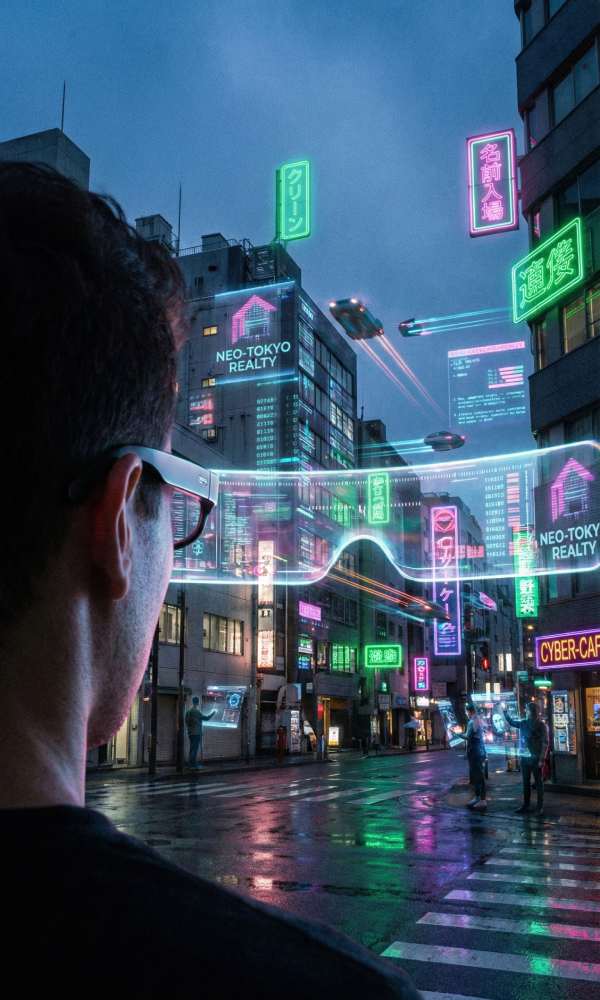
Imagine walking through a city where information about local businesses, cultural events, and historical landmarks is seamlessly integrated into your surroundings. You can point your phone or wear a headset to access this information, and it will be displayed in a way that's both informative and visually appealing. This is the kind of experience that Spatial Computing for Smart Cities can provide.
Why it matters
As cities continue to grow and urbanize, the need for innovative solutions to manage and maintain these spaces becomes increasingly important. Spatial Computing for Smart Cities addresses this need by providing a platform for cities to engage with their residents in new and meaningful ways. By leveraging immersive technologies, cities can:
* Improve public safety and emergency response * Enhance urban planning and design * Increase civic engagement and participation * Support economic development and entrepreneurship
Where you’ll see it first
Cities around the world are already experimenting with Spatial Computing for Smart Cities. Some of the first adopters include:
* Singapore, which has launched a national initiative to develop a Smart Nation using XR technologies * Barcelona, which has created a city-wide AR platform to provide residents with information about local businesses and services * Tokyo, which has developed a MR system to help tourists navigate the city's complex public transportation system
These cities are just a few examples of the many places where Spatial Computing for Smart Cities is being implemented. As the technology continues to evolve, we can expect to see even more innovative applications in the years to come.
The trade-offs and worries
While Spatial Computing for Smart Cities offers many benefits, there are also some potential trade-offs and worries to consider. For example:
* Cost: Implementing and maintaining a Spatial Computing for Smart Cities platform can be expensive, especially for smaller cities or those with limited resources. * Equity: Not all residents may have access to the necessary technology or internet connectivity to participate in Spatial Computing for Smart Cities experiences. * Data privacy: The collection and use of data in Spatial Computing for Smart Cities raises concerns about data privacy and security.
What to watch next
As Spatial Computing for Smart Cities continues to evolve, there are several trends and developments to watch:
* Advancements in XR technologies, such as improved AR and MR capabilities * Increased adoption of Spatial Computing for Smart Cities in cities around the world * Development of new applications and use cases for Spatial Computing for Smart Cities * Growing focus on data privacy and security in Spatial Computing for Smart Cities
Conclusion
Spatial Computing for Smart Cities is a powerful tool for creating more livable, sustainable, and efficient cities. By leveraging immersive technologies and innovative applications, cities can engage with their residents in new and meaningful ways, improve public safety and emergency response, and support economic development and entrepreneurship. As this technology continues to evolve, we can expect to see even more exciting developments in the years to come. The future of cities is being written, and Spatial Computing for Smart Cities is just the beginning.