
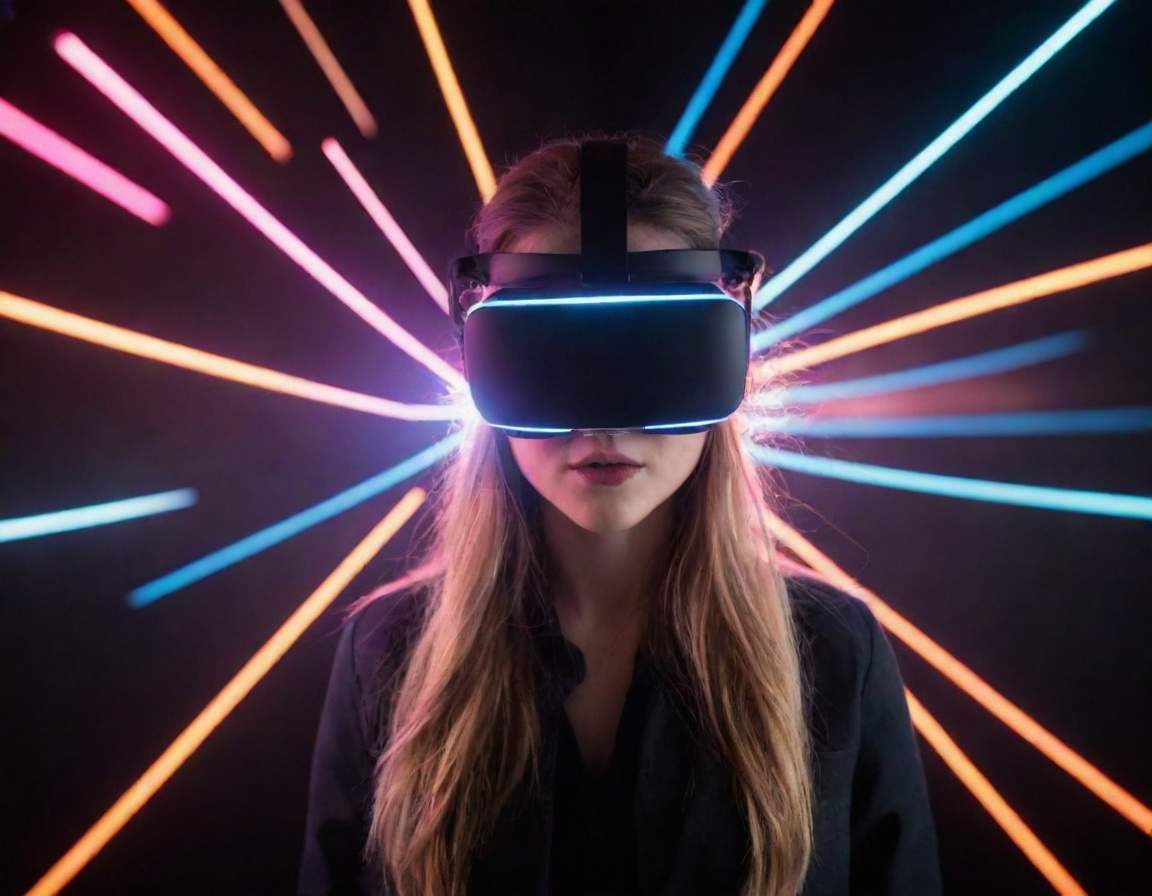
What it is
Spatial Computing is an emerging field that combines the power of augmented reality (AR), virtual reality (VR), and the Internet of Things (IoT) to create immersive and interactive experiences. It's an evolution of the way we interact with technology, moving beyond the confines of screens and keyboards to engage with digital information in a more natural and intuitive way.
Imagine walking into a room and being surrounded by a virtual assistant that provides you with information about the space, its history, and its occupants. Or picture yourself in a virtual world where you can interact with digital objects and environments that feel almost indistinguishable from the real thing. This is the promise of Spatial Computing.
Why it matters
Spatial Computing has the potential to revolutionize the way we live, work, and play. It can enhance our daily experiences, improve our productivity, and even change the way we learn and communicate. By blurring the lines between the physical and digital worlds, Spatial Computing can create new opportunities for innovation, creativity, and collaboration.
For example, in education, Spatial Computing can create immersive and interactive learning experiences that make complex concepts more engaging and accessible. In healthcare, it can provide patients with personalized and interactive treatment plans that improve their outcomes and quality of life. In business, it can enable remote teams to collaborate more effectively and create virtual meeting spaces that feel more like in-person interactions.
Where you’ll see it first
Spatial Computing is already being explored in various industries and applications. You may have seen it in action in:
* Virtual try-on experiences in retail stores * Interactive museum exhibits that bring history to life * Virtual reality training simulations for pilots and surgeons * Augmented reality games that blur the lines between the physical and digital worlds
As the technology continues to evolve, we can expect to see Spatial Computing integrated into more aspects of our lives, from entertainment and education to healthcare and transportation.
The trade-offs and worries
While Spatial Computing holds much promise, there are also concerns about its impact on our society and our individual well-being. Some of the trade-offs and worries include:
* The potential for addiction and social isolation * The risk of job displacement and economic disruption * The need for greater regulation and data protection * The potential for unequal access and digital divide
As we move forward with Spatial Computing, it's essential that we address these concerns and ensure that the benefits of this technology are shared by all.
What to watch next
As Spatial Computing continues to evolve, we can expect to see new innovations and applications emerge. Some of the areas to watch include:
* The development of more advanced AR and VR technologies * The integration of AI and machine learning into Spatial Computing * The creation of new business models and revenue streams * The exploration of new use cases and industries
As we look to the future, it's clear that Spatial Computing has the potential to revolutionize the way we interact with technology and with each other.
Conclusion
Spatial Computing is not just a technology – it's a new way of experiencing the world. It's a chance to redefine the boundaries between the physical and digital, and to create new possibilities for innovation, creativity, and connection. As we embark on this journey, let's remember that the future is not just a destination – it's a world of endless possibilities, waiting to be explored.