
What it is
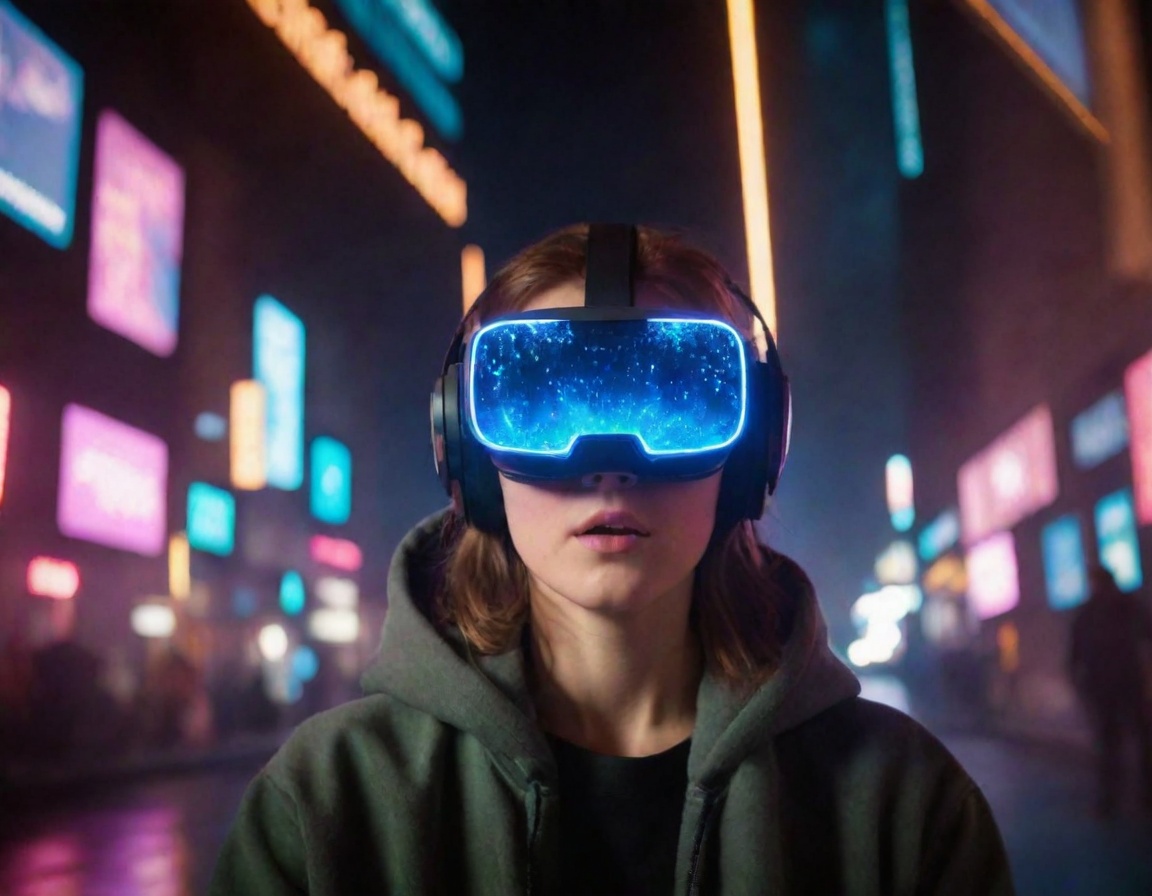
Spatial Computing is an emerging field that combines Augmented Reality (AR), Internet of Things (IoT), and Artificial Intelligence (AI) to create immersive and interactive experiences in the physical world. This technology enables users to visualize and interact with digital information in three dimensions, blurring the lines between the physical and digital realms.
Imagine walking through a city and seeing virtual buildings, streets, and landmarks superimposed onto the real world. This is the power of Spatial Computing, where digital information is seamlessly integrated into our daily lives. With Spatial Computing, urban planners can create interactive 3D models of cities, allowing citizens to explore and engage with their surroundings in a more meaningful way.
Why it matters
Spatial Computing has the potential to revolutionize urban planning by providing a more engaging and interactive way to visualize and experience city design. By using AR and IoT sensors, urban planners can create dynamic and responsive environments that adapt to changing conditions and needs. This technology can also help to increase public participation and engagement in urban planning, making cities more livable and sustainable for all.
For example, Spatial Computing can be used to create virtual tours of proposed developments, allowing citizens to explore and provide feedback on projects before they are built. This can help to reduce conflicts and increase community buy-in, leading to more successful and sustainable urban planning projects.
Where you’ll see it first
Spatial Computing is already being used in various cities around the world, from Tokyo to New York. In Tokyo, the city's government has launched a Spatial Computing platform that allows citizens to explore and interact with 3D models of city infrastructure, such as transportation systems and public facilities. In New York, the city's Department of Transportation has used Spatial Computing to create interactive 3D models of streets and sidewalks, helping to identify areas for improvement and optimize traffic flow.
These early adopters are paving the way for a future where Spatial Computing is ubiquitous in urban planning, making cities more livable, sustainable, and responsive to the needs of citizens.
The trade-offs and worries
While Spatial Computing has the potential to revolutionize urban planning, there are also concerns about its impact on citizens and the environment. For example, the use of AR and IoT sensors can raise issues of data privacy and security, as well as the potential for increased energy consumption and e-waste.
Additionally, the reliance on digital technologies can create new barriers to access and participation, particularly for marginalized communities who may not have access to the necessary devices or skills. Urban planners must carefully consider these trade-offs and worries as they integrate Spatial Computing into their work.
What to watch next
As Spatial Computing continues to evolve, we can expect to see new applications and innovations in urban planning. Some potential areas to watch include:
* The use of machine learning and AI to optimize urban planning decisions * The integration of Spatial Computing with other emerging technologies, such as 5G and blockchain * The development of new tools and platforms for citizen engagement and participation * The exploration of new business models and revenue streams for Spatial Computing
These are just a few examples of the many exciting developments on the horizon for Spatial Computing in urban planning.
Conclusion
As we look to the future of urban planning, Spatial Computing offers a powerful tool for creating more livable, sustainable, and responsive cities. By harnessing the potential of AR, IoT, and AI, urban planners can create immersive and interactive experiences that engage citizens and improve the quality of life in cities around the world. The future of urban planning is here, and it's being redefined by Spatial Computing.