
What it is
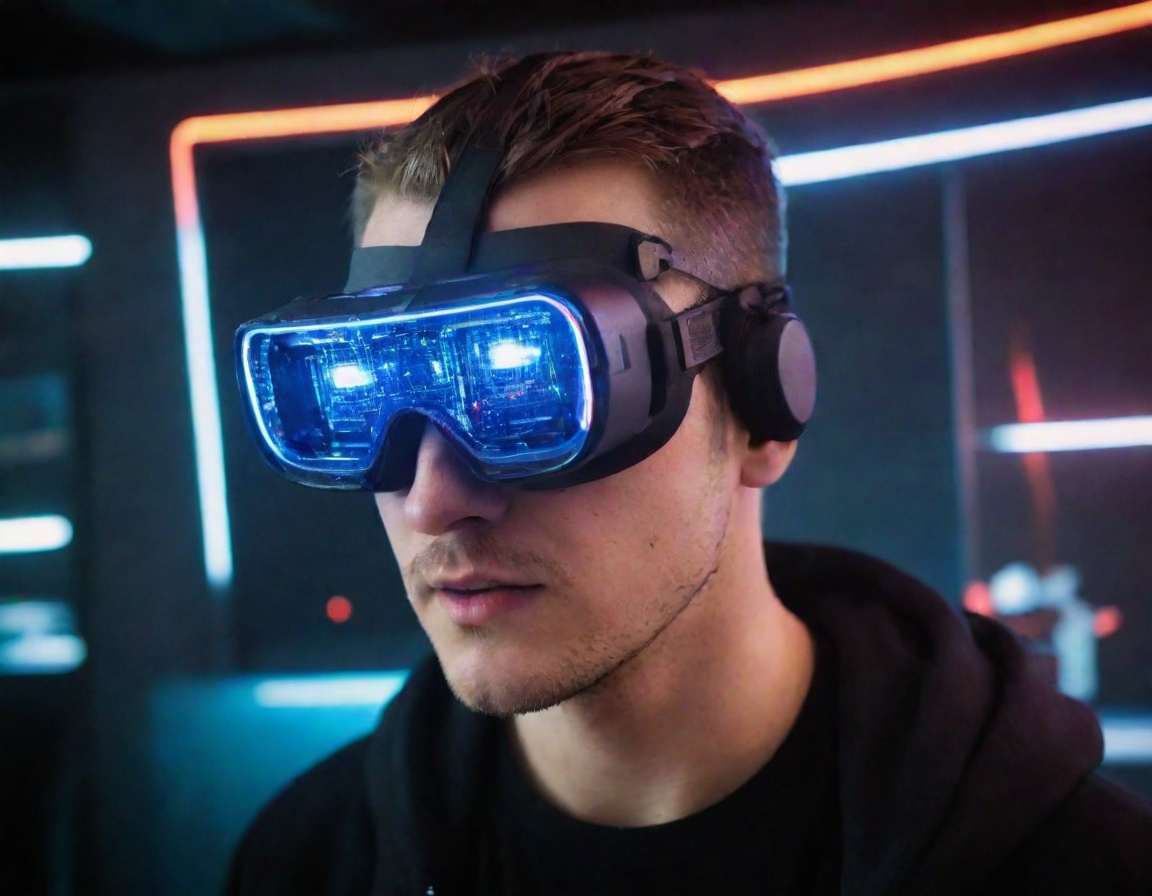
Spatial computing is an emerging field that combines virtual, augmented, and mixed reality technologies to create immersive, interactive experiences that simulate real-world environments. This technology allows users to explore and interact with virtual spaces in a way that feels natural and intuitive, blurring the lines between the physical and digital worlds.
Imagine walking through a virtual city, exploring its streets, buildings, and landmarks in a way that feels just as real as walking through a physical city. Spatial computing makes this possible, enabling users to experience and interact with virtual environments in a way that's both engaging and informative.
Why it matters
Spatial computing has the potential to revolutionize urban planning by providing a more immersive and interactive way to design, test, and evaluate urban environments. Architects, urban planners, and policymakers can use spatial computing to create virtual models of cities, test different scenarios, and gather feedback from stakeholders in a way that's more engaging and effective than traditional methods.
For example, spatial computing can be used to create virtual models of cities that simulate the impact of different urban planning decisions, such as the placement of new buildings, roads, and public spaces. This can help urban planners to identify potential problems and opportunities, and to make more informed decisions about how to design and develop cities.
Where you’ll see it first
Spatial computing is already being used in various industries, including architecture, urban planning, and real estate. Some companies are using spatial computing to create virtual models of cities and buildings, while others are using it to create immersive experiences for customers and stakeholders.
For example, some real estate companies are using spatial computing to create virtual tours of properties, allowing potential buyers to explore and interact with virtual models of homes and buildings. This can help to increase engagement and conversion rates, and to provide a more immersive and engaging experience for customers.
The trade-offs and worries
While spatial computing has the potential to revolutionize urban planning, there are also some trade-offs and worries to consider. For example, the use of spatial computing can be resource-intensive, requiring significant computing power and data storage. This can be a challenge for organizations with limited resources, and may require significant investment in hardware and software.
Additionally, the use of spatial computing can also raise concerns about data privacy and security. For example, virtual models of cities and buildings may contain sensitive information about individuals and organizations, and may be vulnerable to hacking and other forms of cyber attack.
What to watch next
As spatial computing continues to evolve and mature, we can expect to see new and innovative applications of this technology in various industries. Some areas to watch include:
* The use of spatial computing in education, where virtual models of cities and buildings can be used to teach students about urban planning and design. * The use of spatial computing in healthcare, where virtual models of hospitals and clinics can be used to improve patient outcomes and reduce costs. * The use of spatial computing in entertainment, where virtual models of cities and buildings can be used to create immersive and engaging experiences for customers.
Conclusion
Spatial computing has the potential to revolutionize urban planning by providing a more immersive and interactive way to design, test, and evaluate urban environments. As this technology continues to evolve and mature, we can expect to see new and innovative applications of spatial computing in various industries, and to see the impact of this technology on the way we design and develop cities. The future of urban planning is virtual, and it's here to stay.