
What it is
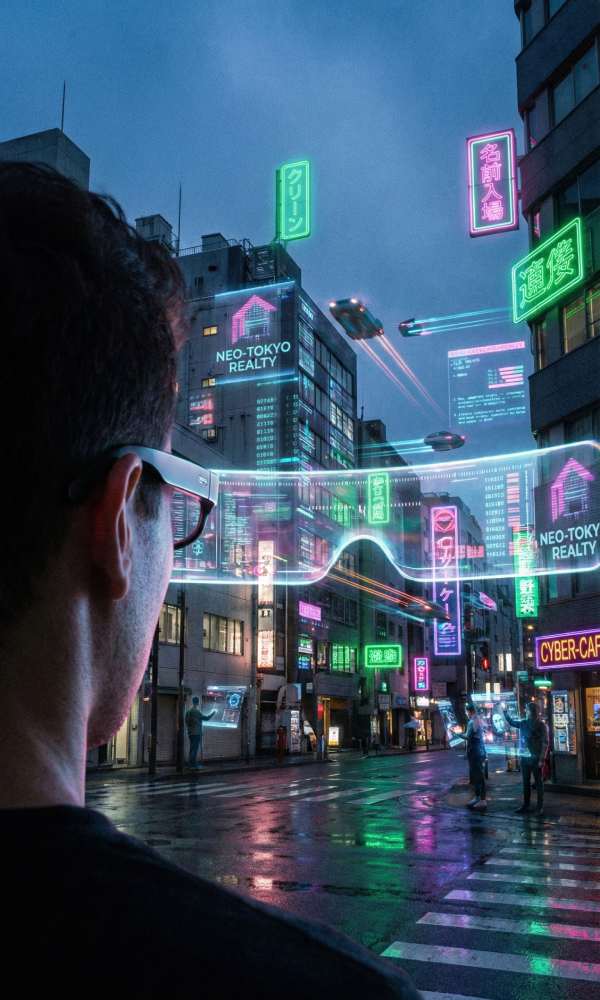
Spatial computing is an innovative approach to interactive storytelling that combines virtual reality (VR), augmented reality (AR), and mixed reality (MR) to transport audiences into immersive, three-dimensional worlds. This technology allows creators to craft rich, dynamic environments that respond to user interactions, blurring the lines between the physical and digital realms.
Imagine walking through a virtual city, exploring its streets, buildings, and inhabitants, or participating in a virtual art exhibition where paintings come alive as you touch them. Spatial computing makes such experiences possible, revolutionizing the way we engage with stories, games, and even educational content.
Why it matters
The impact of spatial computing on interactive storytelling is profound. By providing an immersive and interactive experience, creators can:
* Engage audiences on a deeper level, fostering emotional connections and empathy * Offer unique perspectives and insights, expanding our understanding of complex issues * Push the boundaries of artistic expression, experimenting with new forms and formats * Create immersive learning experiences that make complex concepts more accessible and enjoyable
Where you’ll see it first
Spatial computing is already being explored in various industries, including:
* Entertainment: Movies, TV shows, and video games are incorporating spatial computing to create immersive experiences * Education: Interactive lessons and simulations are being developed to make learning more engaging and effective * Art and Design: Artists are using spatial computing to create interactive installations and exhibitions * Architecture and Real Estate: Virtual tours and property visualizations are becoming increasingly popular
As the technology continues to evolve, we can expect to see spatial computing integrated into more aspects of our lives.
The trade-offs and worries
While spatial computing offers many benefits, there are also concerns about:
* Accessibility: Not everyone has access to the necessary hardware or internet connectivity to experience spatial computing * Cost: Developing and implementing spatial computing experiences can be expensive * Immersion: Some people may feel overwhelmed or disoriented by the immersive nature of spatial computing * Data collection: There are concerns about the collection and use of user data in spatial computing experiences
What to watch next
As spatial computing continues to evolve, we can expect to see:
* Advancements in hardware and software that make spatial computing more accessible and affordable * Increased adoption in various industries, including healthcare, finance, and government * New forms of creative expression and artistic innovation * Further exploration of the potential benefits and drawbacks of spatial computing
Conclusion
Spatial computing is revolutionizing the way we experience interactive storytelling, offering immersive, dynamic, and engaging experiences that push the boundaries of art, education, and entertainment. As this technology continues to evolve, we can expect to see new and innovative applications that transform the way we live, learn, and interact with each other. The future of storytelling has never been more exciting.