
What it is
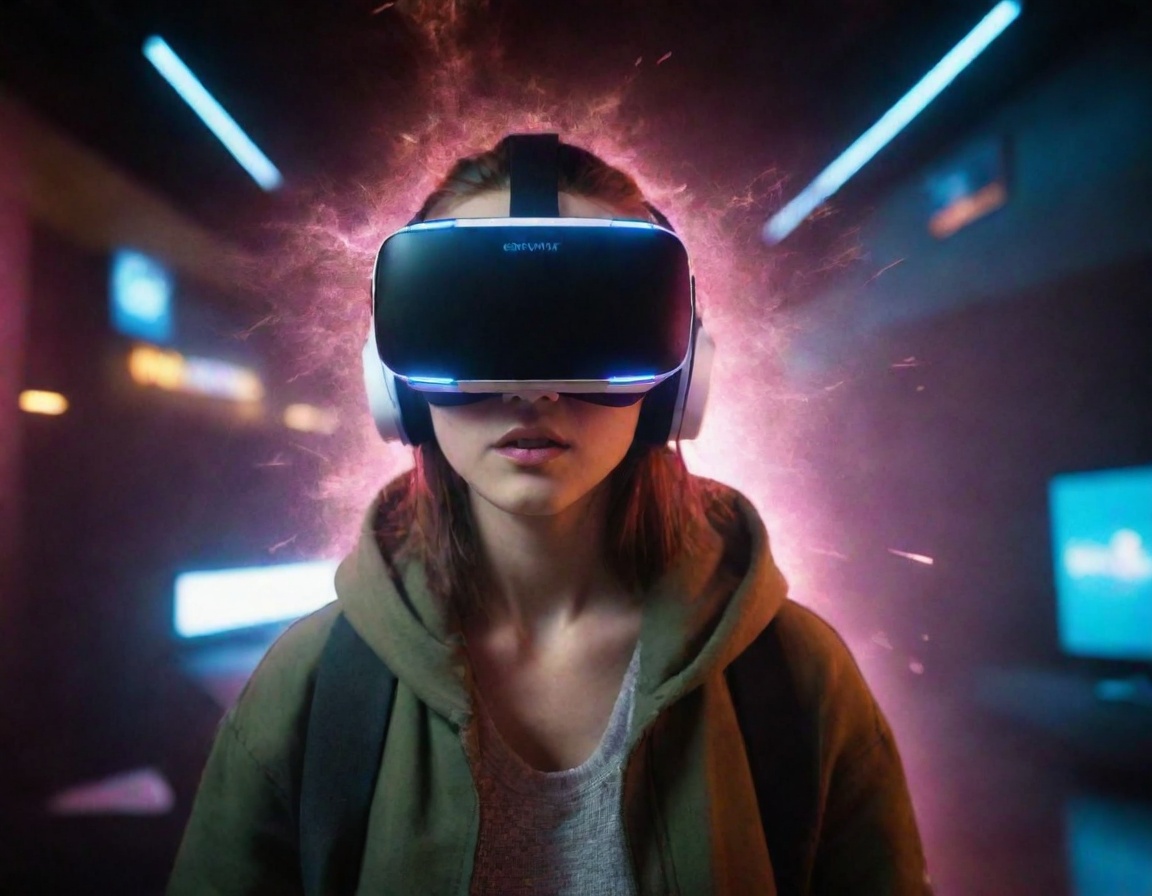
Spatial computing is an emerging technology that combines augmented reality (AR) with spatial awareness, allowing users to interact with virtual objects and environments in a more intuitive and immersive way. This technology uses a combination of sensors, cameras, and machine learning algorithms to track the user's movements and position in space, creating a seamless and interactive experience.
Imagine walking into a room and seeing virtual furniture, decorations, or even people that seem to be part of the physical space. This is the kind of experience that spatial computing promises to deliver. By overlaying digital information onto the physical world, spatial computing has the potential to revolutionize the way we interact with information, communicate with each other, and experience the world around us.
Why it matters
Spatial computing has the potential to transform various aspects of our lives, from education and entertainment to healthcare and productivity. For example, in education, spatial computing can create interactive and immersive learning experiences that make complex concepts more engaging and easier to understand. In healthcare, spatial computing can help patients visualize their bodies and understand their medical conditions in a more intuitive way.
In addition, spatial computing can also improve productivity and efficiency in various industries, such as architecture, engineering, and construction. By allowing designers and engineers to visualize and interact with virtual models of buildings and infrastructure, spatial computing can help reduce errors, improve collaboration, and speed up the design and construction process.
Where you’ll see it first
Spatial computing is already being used in various industries and applications, including:
* Gaming and entertainment: Spatial computing is being used to create immersive and interactive gaming experiences that blur the lines between the physical and virtual worlds. * Education: Spatial computing is being used to create interactive and immersive learning experiences that make complex concepts more engaging and easier to understand. * Healthcare: Spatial computing is being used to help patients visualize their bodies and understand their medical conditions in a more intuitive way. * Architecture and engineering: Spatial computing is being used to create virtual models of buildings and infrastructure, allowing designers and engineers to visualize and interact with them in a more intuitive way.
As spatial computing continues to evolve and improve, we can expect to see it being used in even more industries and applications, transforming the way we interact with information, communicate with each other, and experience the world around us.
The trade-offs and worries
While spatial computing has the potential to revolutionize various aspects of our lives, it also raises several concerns and trade-offs. For example:
* Privacy: Spatial computing requires the use of sensors and cameras to track the user's movements and position in space, raising concerns about privacy and data security. * Safety: Spatial computing can also raise safety concerns, particularly in environments where users may be interacting with virtual objects or environments that seem to be part of the physical space. * Cost: Spatial computing technology can be expensive, particularly for high-end applications, which may limit its adoption and accessibility.
What to watch next
As spatial computing continues to evolve and improve, we can expect to see several exciting developments and innovations in the coming years. Some of the things to watch out for include:
* Advancements in sensor technology: Improved sensor technology will enable more accurate and precise tracking of the user's movements and position in space. * Increased adoption: As the technology improves and becomes more affordable, we can expect to see increased adoption of spatial computing in various industries and applications. * New applications: Spatial computing will continue to be used in new and innovative ways, transforming the way we interact with information, communicate with each other, and experience the world around us.
Conclusion
Spatial computing is an emerging technology that has the potential to revolutionize various aspects of our lives, from education and entertainment to healthcare and productivity. As it continues to evolve and improve, we can expect to see it being used in even more industries and applications, transforming the way we interact with information, communicate with each other, and experience the world around us. The future of space is immersive, interactive, and limitless – and it's coming soon.