What it is
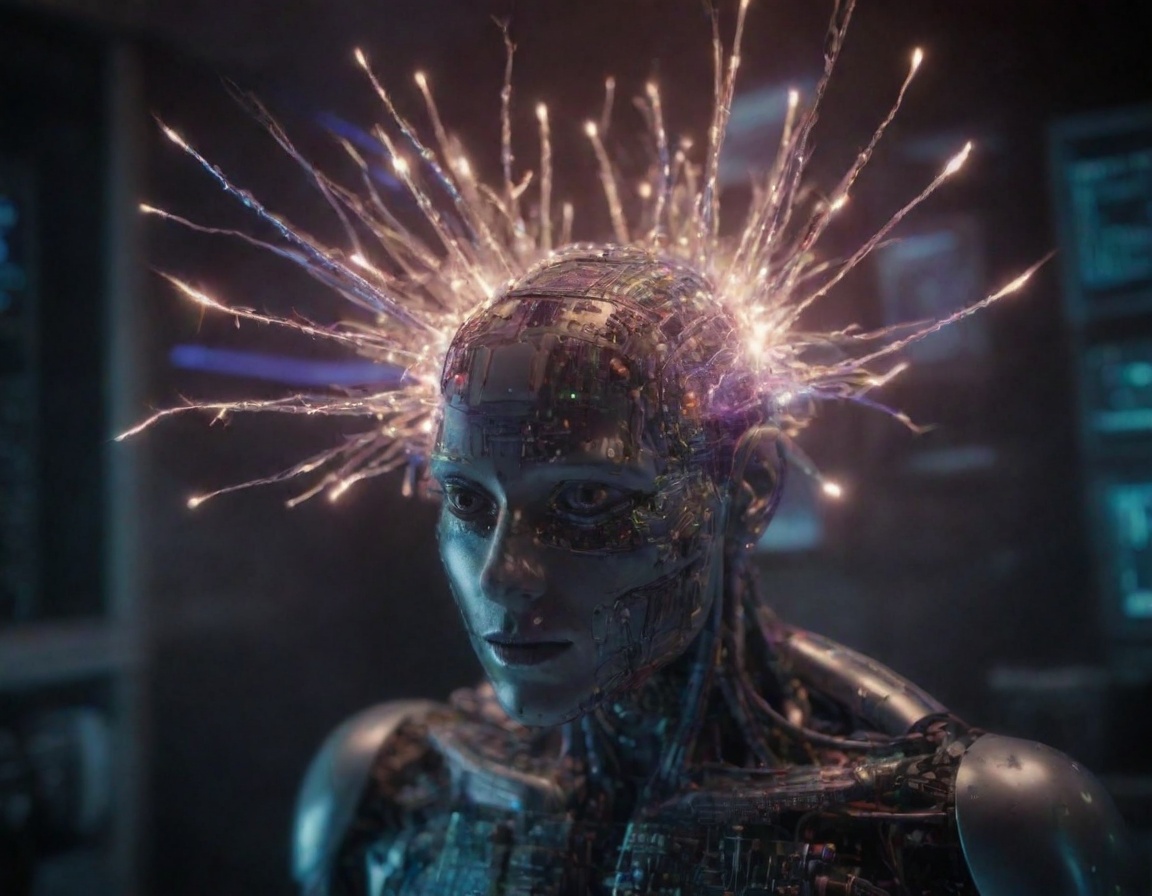
Artificial intelligence (AI) creativity refers to the ability of machines to generate novel and valuable ideas, products, or experiences. This can manifest in various forms, such as art, music, writing, or even entire products and services. AI creativity is often achieved through complex algorithms and machine learning techniques that enable machines to learn from vast amounts of data and generate new insights.
Imagine a world where AI systems can compose symphonies, write bestselling novels, or design innovative products that surpass human capabilities. While this might seem like science fiction, AI creativity is already a reality, and its impact is being felt across various industries.
Why it matters
The rise of AI creativity has significant implications for various aspects of our lives, including art, entertainment, education, and the economy. On one hand, AI creativity can bring about unprecedented levels of innovation, efficiency, and productivity. For instance, AI-generated art can help artists create new and unique pieces, while AI-powered writing tools can assist writers in generating high-quality content.
On the other hand, AI creativity also raises important questions about authorship, ownership, and the value of human creativity. As machines become increasingly capable of generating high-quality creative content, it's essential to consider the implications for human artists, writers, and creators.
Where you’ll see it first
AI creativity is already being applied in various industries, including:
* **Art and design**: AI-generated art, music, and design are becoming increasingly popular, with many artists and designers using AI tools to create new and innovative pieces. * **Music and entertainment**: AI-powered music composition and generation are being used in various forms of media, including films, TV shows, and video games. * **Education**: AI-powered learning tools are being used to create personalized learning experiences, with AI-generated content and interactive simulations. * **Product design**: AI-powered design tools are being used to create innovative products, from consumer electronics to industrial equipment.
The trade-offs and worries
While AI creativity has the potential to bring about significant benefits, it also raises important concerns about:
* **Authorship and ownership**: As machines become increasingly capable of generating creative content, it's essential to consider who owns the rights to this content. * **Job displacement**: The rise of AI creativity could lead to job displacement for human artists, writers, and creators. * **Bias and fairness**: AI systems can perpetuate biases and prejudices present in the data used to train them, leading to unfair and discriminatory outcomes. * **Transparency and accountability**: As AI creativity becomes more prevalent, it's essential to ensure that the decision-making processes behind AI-generated content are transparent and accountable.
What to watch next
As AI creativity continues to evolve, it's essential to stay informed about the latest developments and trends. Some areas to watch include:
* **Explainability and transparency**: As AI systems become more complex, it's essential to develop techniques to explain and understand the decision-making processes behind AI-generated content. * **Human-AI collaboration**: As AI creativity becomes more prevalent, it's essential to explore ways to collaborate with AI systems to create new and innovative content. * **Ethics and governance**: As AI creativity raises important questions about authorship, ownership, and value, it's essential to develop clear ethics and governance frameworks to guide the development and use of AI creativity.
Conclusion
The ethics of AI creativity is a complex and multifaceted issue that requires careful consideration and attention. As AI creativity continues to evolve and become more prevalent, it's essential to prioritize transparency, accountability, and fairness to ensure that the benefits of AI creativity are shared by all. The future of creativity is not a zero-sum game, where human and machine must compete for attention and resources. Instead, it's a collaborative and symbiotic relationship, where human and machine work together to create new and innovative experiences that enrich our lives and the world around us.