
What it is
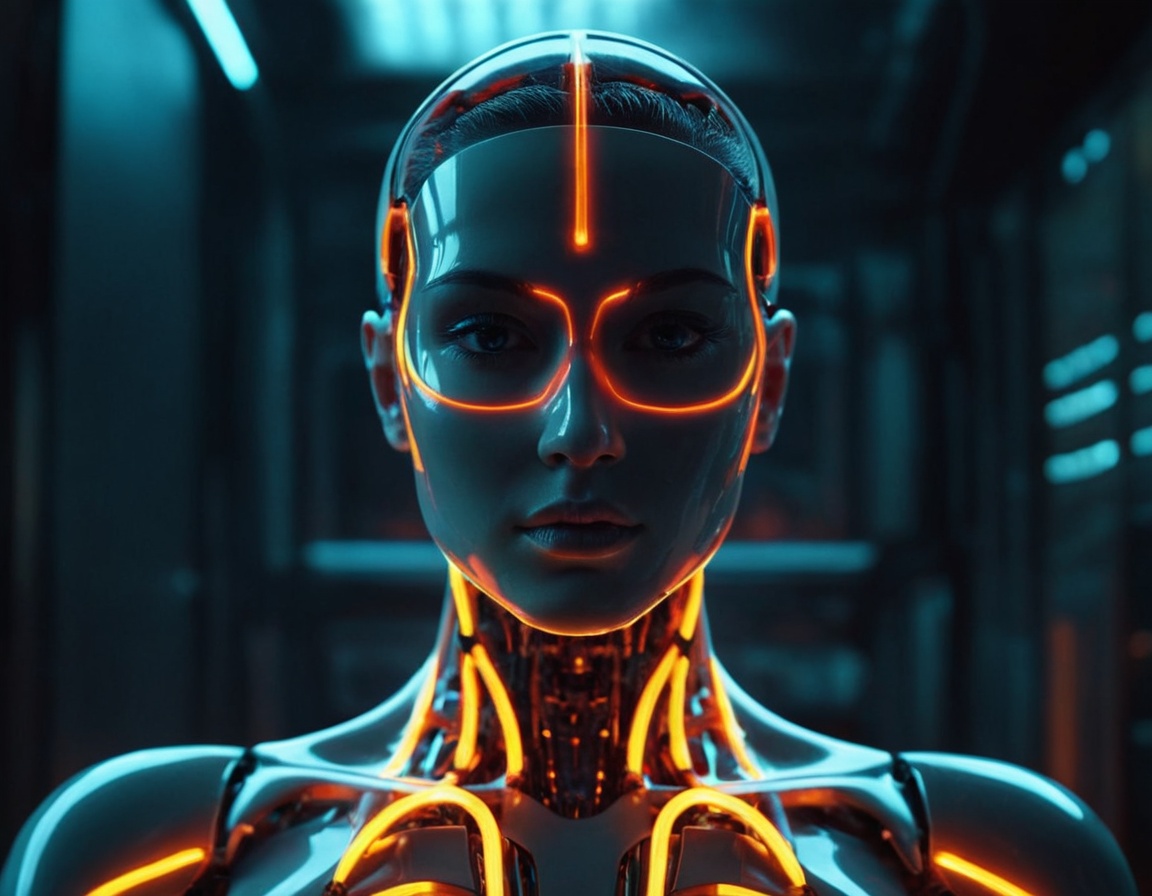
Human-AI collaboration refers to the integration of artificial intelligence (AI) systems with human capabilities to achieve common goals. This collaboration can take many forms, from AI-powered tools that assist humans in their work to more complex systems that enable humans and AI to work together as equals. In essence, human-AI collaboration is about creating a symbiotic relationship between humans and machines, where each brings their unique strengths to the table.
Imagine a world where AI systems can analyze vast amounts of data, identify patterns, and provide insights that humans can use to make informed decisions. This is already happening in various industries, such as healthcare, finance, and education. For instance, AI-powered chatbots can help patients with routine queries, while AI-driven diagnostic tools can help doctors identify diseases more accurately.
Why it matters
Human-AI collaboration has the potential to revolutionize the way we work, innovate, and solve complex problems. By leveraging the strengths of both humans and AI, we can achieve outcomes that would be impossible for either humans or machines alone. This collaboration can lead to increased productivity, improved decision-making, and enhanced creativity.
Moreover, human-AI collaboration can help address some of the world's most pressing challenges, such as climate change, poverty, and inequality. For example, AI-powered systems can help optimize energy consumption, predict and prevent natural disasters, and identify areas of high poverty and inequality.
Where you’ll see it first
Human-AI collaboration is already being implemented in various industries and sectors. Some of the areas where you'll see this collaboration in action include:
* Healthcare: AI-powered diagnostic tools, personalized medicine, and robotic surgery * Finance: AI-driven trading platforms, risk management, and customer service * Education: AI-powered adaptive learning systems, virtual teaching assistants, and personalized learning plans * Transportation: AI-powered self-driving cars, traffic management, and logistics optimization
The trade-offs and worries
While human-AI collaboration holds tremendous promise, there are also concerns and trade-offs to consider. Some of the worries include:
* Job displacement: As AI takes over routine and repetitive tasks, there is a risk of job displacement for humans. * Bias and fairness: AI systems can perpetuate biases and prejudices if they are trained on biased data. * Security and privacy: AI systems can be vulnerable to cyber attacks and data breaches. * Accountability: As AI systems make decisions, there is a need to establish clear accountability and responsibility.
What to watch next
As human-AI collaboration continues to evolve, there are several areas to watch:
* Explainability and transparency: Developing AI systems that can explain their decisions and provide transparency into their decision-making processes. * Human-centered design: Designing AI systems that prioritize human needs, values, and well-being. * Ethical AI: Developing AI systems that are fair, unbiased, and respectful of human rights and dignity. * Hybrid intelligence: Creating AI systems that can learn from humans and adapt to new situations.
Conclusion
Human-AI collaboration is the future of work and innovation, and it's happening now. As we continue to integrate AI systems with human capabilities, we must prioritize transparency, accountability, and fairness. By doing so, we can unlock the full potential of human-AI collaboration and create a brighter, more sustainable future for all.