
What it is
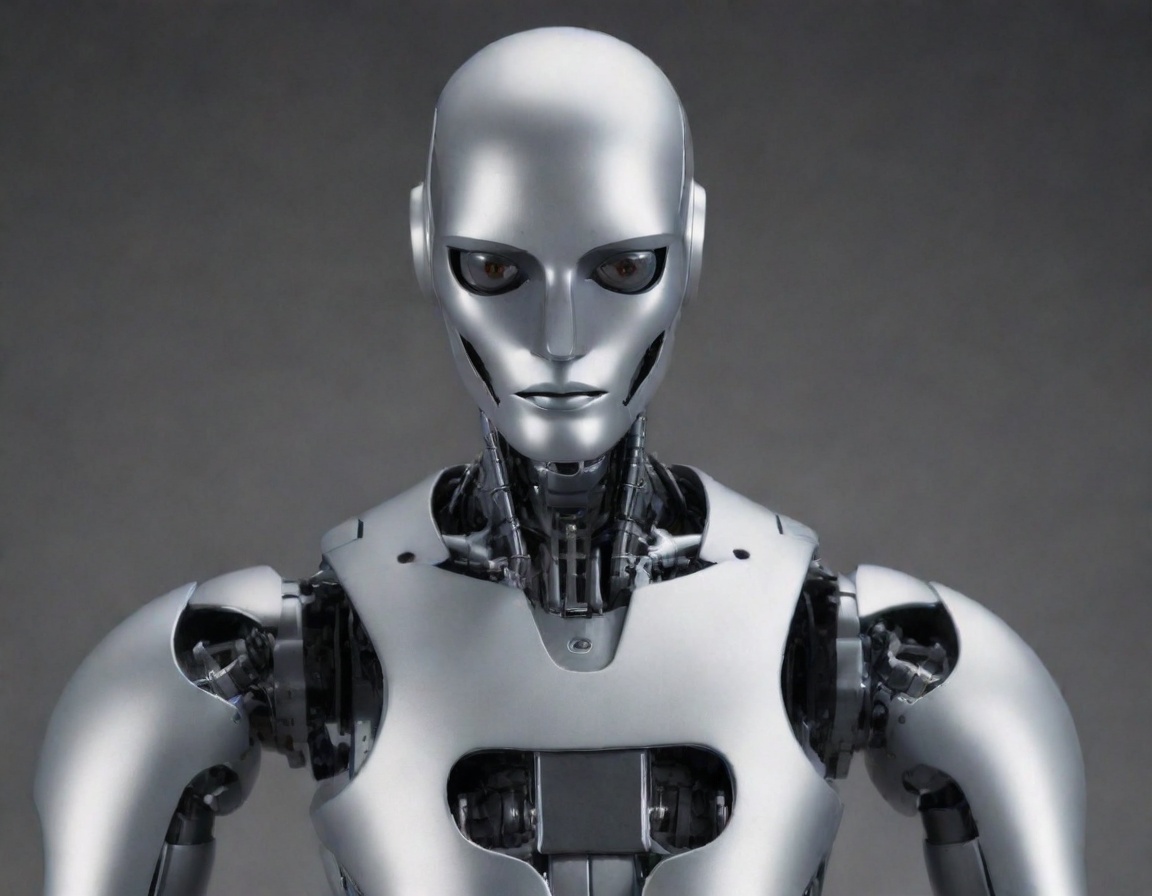
Human-Robot Collaboration (HRC) is a rapidly evolving field that involves the integration of robots and artificial intelligence (AI) with human workers to enhance productivity, efficiency, and safety in various industries. This collaboration enables robots to work alongside humans, leveraging their unique strengths and capabilities to achieve common goals.
Imagine a factory floor where robots and humans work together to assemble complex products, with robots handling tasks that require precision and speed, while humans focus on tasks that require creativity, problem-solving, and emotional intelligence. This is the future of work, where humans and robots collaborate to create a more efficient, productive, and safe work environment.
Why it matters
HRC has the potential to revolutionize various industries, including manufacturing, healthcare, transportation, and logistics. By automating repetitive and hazardous tasks, robots can free up human workers to focus on higher-value tasks that require creativity, problem-solving, and emotional intelligence. This can lead to increased productivity, improved quality, and enhanced job satisfaction.
Moreover, HRC can help address the growing skills gap in various industries, where workers need to acquire new skills to work alongside robots and AI systems. By providing training and education programs that focus on human-robot collaboration, we can upskill workers and prepare them for the changing job market.
Where you’ll see it first
HRC is already being implemented in various industries, including manufacturing, healthcare, and transportation. In manufacturing, robots are being used to work alongside human workers to assemble complex products, such as cars and electronics. In healthcare, robots are being used to assist surgeons during operations and to provide care to patients.
In transportation, self-driving cars and trucks are being developed to work alongside human drivers, reducing the risk of accidents and improving traffic flow. These are just a few examples of where HRC is being implemented, and we can expect to see more applications in the future.
The trade-offs and worries
While HRC has the potential to revolutionize various industries, there are also concerns about job displacement, safety, and security. As robots and AI systems become more advanced, there is a risk that they may displace human workers, particularly in industries where tasks are repetitive and can be easily automated.
There are also concerns about safety and security, particularly in industries where robots and AI systems are used to interact with humans. For example, in healthcare, there is a risk that robots may transmit diseases or compromise patient data.
What to watch next
As HRC continues to evolve, we can expect to see more applications in various industries. Some of the areas to watch include:
* **Advanced robotics**: Expect to see more advanced robots that can learn and adapt to new situations, making them more effective in human-robot collaboration. * **AI-powered human-robot interfaces**: We can expect to see more AI-powered interfaces that enable humans and robots to communicate more effectively, making it easier to work together. * **Human-robot collaboration in service industries**: As HRC becomes more widespread, we can expect to see more applications in service industries, such as retail, hospitality, and education.
Conclusion
Human-Robot Collaboration is the future of work, where humans and robots work together to create a more efficient, productive, and safe work environment. As HRC continues to evolve, we can expect to see more applications in various industries, from manufacturing and healthcare to transportation and logistics. The future of work is here, and it's time to get ready.